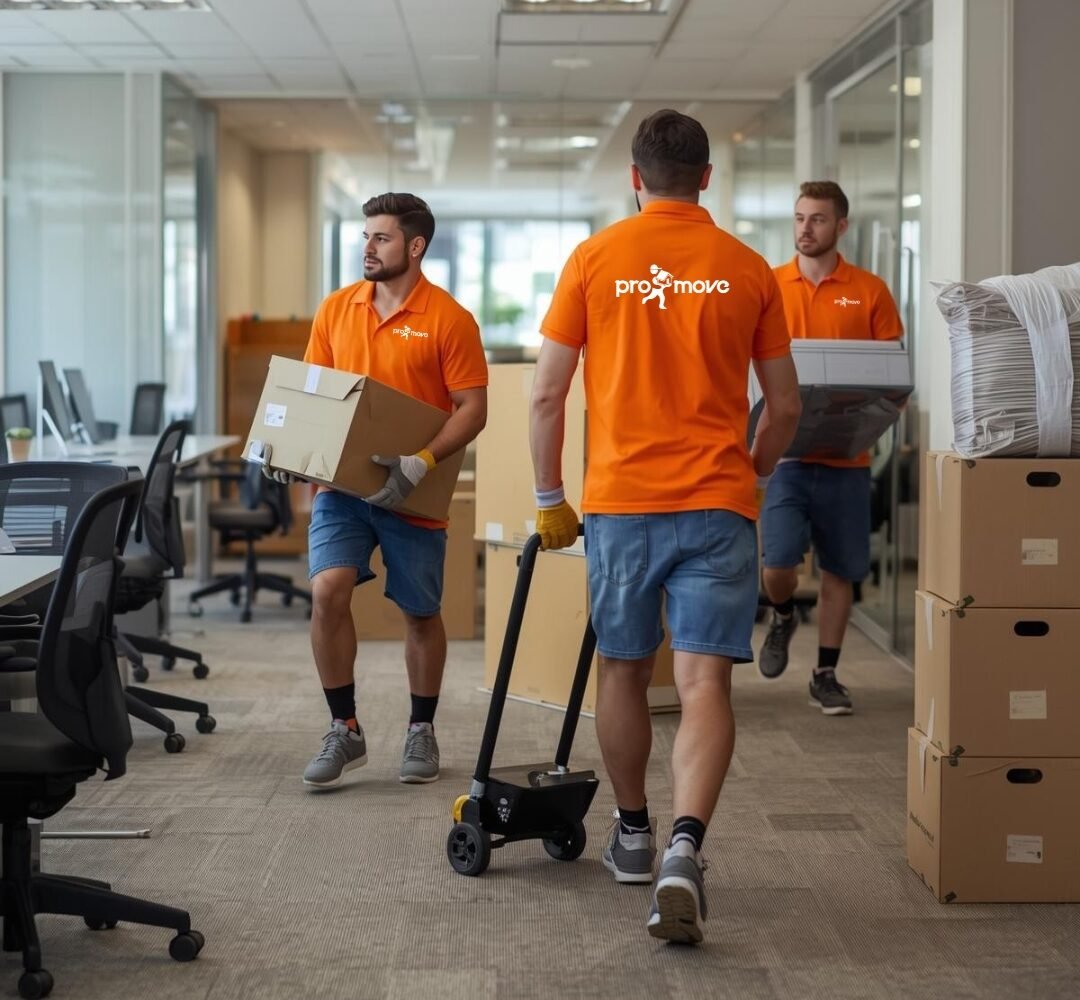
Planning packing services in Centretown? Reserve the service elevator and collect written move rules before selecting a Centretown start time. Include workspace available for assembling and staging boxes and the full inventory in your request. Tell ProMove Ottawa the date and both addresses to get an informed moving quote.
FREE, NO-OBLIGATION ESTIMATE
Get Your Moving Quote
Tell us about your move in three short steps. ProMove will review the details and contact you about a tailored estimate.
1. Move2. Details3. Contact
✓ Your details are reviewed✓ No obligation✓ Ottawa & surrounding areas
Before you request a quote
Practical Packing Services checks for your Centretown quotation
Decide which rooms, categories and items are included in the packing work. Its housing ranges from apartments and condominium towers to smaller walk-ups, converted houses and older low-rise homes. One preventable mistake is packing unwanted items instead of decluttering first. If the actual access or inventory differs from these assumptions, request an updated scope before the crew is assigned.
1
Measure the item path, not just the address
The service assessment should include workspace available for assembling and staging boxes and access to all included rooms and storage areas. A high-rise may require a service elevator, security access and protective materials, while an older walk-up or converted house may depend entirely on narrow stairs and angled entrances. Unclear work can leave rooms or categories unexpectedly unfinished. Confirm safe working and carrying space, the included tasks and any materials or customer-arranged equipment before fixing the labour scope.
2
Confirm a usable loading position in Centretown
Count storage lockers, balconies, bicycles and parking-level items as part of the main inventory. Identify the property contact, any written permission and where the truck may safely stand; a nearby curb does not automatically provide permitted loading.
3
Plan around the actual route and job size
Photograph signs at the intended curb position shortly before the move and verify any required City process. Price-relevant details include number of rooms and volume of contents and full versus partial packing work. Confirm any additional stop, reserved time window or change to the inventory before finalizing a quote.
4
Flag the service-specific handling risk
Avoid combining heavy and fragile contents in one box when planning Packing Services in Centretown. Winter snowbanks can shorten Centretown curb space and create slushy carrying routes, while declared parking bans can change an on-street plan. Discuss whether the assessment calls for boxes selected according to item size and weight. Check the intended work path and sensitive items before agreeing on preparation and labour requirements.
For a Packing Services enquiry in Centretown, specify number of rooms and volume of contents, material quantity and type and workspace available for assembling and staging boxes. Some units have storage lockers or parking-level items that are easy to omit from an apartment inventory. Confirm whether the request covers only work on site or requires a separately priced vehicle, materials or additional visit.
The practical question is which rooms and item categories need packing, which materials are required, and whether there is sufficient safe staging space. A packing-only quotation must not silently include transport. Centretown’s property mix makes a detailed pre-move survey valuable. Describe the work area, number of rooms and volume of contents and workspace available for assembling and staging boxes rather than assuming moving vehicles or transport are included.
Information for your enquiry
Requested work
Ottawa households and organizations seeking full, partial or selected-room packing help before a move, with materials and labels organized around the inventory.
Quote inputs
Number of rooms and volume of contents; Full versus partial packing work; Material quantity and type; Fragile or complex items; Time available before the move
Access to check
Workspace available for assembling and staging boxes; Access to all included rooms and storage areas; Building rules for material delivery or disposal; Safe pathways while packed boxes accumulate
Confirmation
A form submission is an enquiry. Obtain explicit written confirmation of the scope and date before treating the move as booked.
Check the Centretown property and current local rules
Reserve the service elevator and collect written move rules before selecting a Centretown start time.
Count storage lockers, balconies, bicycles and parking-level items as part of the main inventory.
Photograph signs at the intended curb position shortly before the move and verify any required City process.
Protect the public sidewalk and building common areas while maintaining an unobstructed pedestrian route.
Leave time between the predicted finish and key returns, inspections or cleaning appointments.
For Packing Services at the Centretown property, establish the permitted workspace and material or equipment delivery route. Posted restrictions, paid parking, loading areas, cycling infrastructure, construction and private entrances can affect where a truck may legally and safely stand. Reserve the service elevator and collect written move rules before selecting a Centretown start time. Confirm building permissions and any required temporary staging arrangements; packing or labour assistance does not, by itself, reserve a moving bay or provide a truck.
Packing Services access and moving conditions in Centretown
Centretown is a dense, mixed urban neighbourhood immediately south of Ottawa’s downtown business core, with residential streets, commercial main streets, offices and institutional uses close together. Its housing ranges from apartments and condominium towers to smaller walk-ups, converted houses and older low-rise homes. A move over only a few blocks can still involve two unrelated access systems, limited curb options and substantial stair or elevator time. Customers should confirm the exact entrance and building process at both addresses, not just the street frontage. The neighbourhood’s active sidewalks and changing construction or traffic conditions also make a planned truck position important. ProMove can structure the move around elevator windows, key availability and a protected carrying route while keeping a contingency for conditions that cannot be guaranteed weeks in advance. Central urban Ottawa creates a distinct planning context for packing services, even when the inventory looks familiar. Central urban addresses can include apartments, condominiums, commercial buildings and houses sharing constrained curb space, corridors or entrances. For this intersection, the included rooms, item categories, materials and labelling system are defined before the first carton is assembled, while all included rooms, cupboards and storage spaces must be accessible during the packing window. Elevator, concierge and building access details may establish the workable time window; accordingly, packing should finish early enough to reveal exceptions without leaving boxed rooms unusable for longer than necessary. The service stays relevant to the property instead of following a script.
Centretown’s property mix makes a detailed pre-move survey valuable. A high-rise may require a service elevator, security access and protective materials, while an older walk-up or converted house may depend entirely on narrow stairs and angled entrances. Some units have storage lockers or parking-level items that are easy to omit from an apartment inventory. Older furniture should be measured against stair turns, and large sectionals may need a disassembly assessment. Customers should obtain written building instructions, identify the permitted moving hours and confirm whether management supplies elevator protection. Home-office files, bicycles and balcony contents should be listed rather than treated as incidental additions on moving day. Central urban addresses can include apartments, condominiums, commercial buildings and houses sharing constrained curb space, corridors or entrances. Within that mix, available staging space and safe circulation affect how room-by-room packing can proceed without blocking daily use. Long interior carries through shared corridors can add handling even when travel distance is short, and fragile, sentimental and customer-carried items require explicit separation. The walkthrough should pair this service priority: remove unwanted items before paid packing begins and reserve customer-carried essentials: with a location check: customers should choose a window that accounts for traffic and shared-building access without claiming guaranteed arrival.
Local moving scenarios
Packing situations involving Centretown
Origin scenario
A household requesting complete room-by-room packing before its move in Centretown. Centretown’s property mix makes a detailed pre-move survey valuable. For Packing Services, the estimate should identify number of rooms and volume of contents and access to all included rooms and storage areas.
Destination scenario
A customer seeking professional preparation only for fragile contents in Centretown. Posted restrictions, paid parking, loading areas, cycling infrastructure, construction and private entrances can affect where a truck may legally and safely stand. Ask the customer to document building rules for material delivery or disposal and full versus partial packing work before treating this situation as suitable for the requested work.
Route scenario
A busy family assigning the kitchen, library or home office to a packing team in Centretown. If one building has a fixed elevator slot, that appointment should anchor the sequence. The job brief for Packing Services should separately account for material quantity and type and safe pathways while packed boxes accumulate.
Transition scenario
An office preparing non-sensitive materials by department and destination zone in Centretown. Winter snowbanks can shorten Centretown curb space and create slushy carrying routes, while declared parking bans can change an on-street plan. Confirm workspace available for assembling and staging boxes and fragile or complex items against the actual pickup and destination before fixing the service scope.
Cost factors
What can shape a Centretown estimate
Number of rooms and volume of contents
Full versus partial packing work
Material quantity and type
Fragile or complex items
Time available before the move
Timing factors
Plan the date, access windows and route together
Centretown scheduling is often governed by vertical travel and curb access more than driving mileage. Weekday commuting, deliveries, events and road work can alter conditions, but the safest approach is to check live information rather than claim a permanently busy period. If one building has a fixed elevator slot, that appointment should anchor the sequence. Moves to or from another neighbourhood may use Highway 417 or central arterials after loading, with time allowed for the transition. Customers should not schedule cleaners, key returns or landlord inspections at the exact predicted finish; a buffer protects against elevator delays and an unexpectedly long carry. For packing services in central urban Ottawa, contents volume, material type, fragile preparation and the chosen full-or-partial work determine labour more than room count alone. Urban travel distance can be modest while curb access, elevator waits and long indoor carries extend labour. Timing is strongest when property bookings and parking arrangements are confirmed before the crew schedule is finalized. Packing should finish early enough to reveal exceptions without leaving boxed rooms unusable for longer than necessary; pedestrian activity and other building users require a route that keeps common areas functional. The estimate should separate confirmed facts from allowances and be revised if inventory or access changes.
Winter snowbanks can shorten Centretown curb space and create slushy carrying routes, while declared parking bans can change an on-street plan. Customers should monitor official notices, confirm a legal alternative and ensure that privately controlled steps and walks are cleared. Salt and moisture make reliable floor protection important in lobbies and older wood interiors. Rain requires covered staging or a rapid handoff from truck to entrance. In summer, a warm elevator or parked vehicle can affect plants, medication and electronics, which should remain under customer direction.
For a winter move in Centretown, keep entrances, steps and the working path cleared and monitor the forecast close to moving day.
During wet or thaw conditions in Centretown, plan floor protection and keep cartons away from exposed ground while loading.
In warmer weather, identify priority items and keep water, medication and temperature-sensitive belongings under customer control.
Allow a practical route and traffic buffer for the confirmed Centretown addresses rather than assuming travel time from distance alone.
Moving process
A Centretown plan from scope review through placement
01
Scope
Decide which rooms, categories and items are included in the packing work
02
Schedule
Set aside valuables, documents, medication and items travelling personally
03
Prepare
Declutter before packing so unwanted items are not prepared for transport
04
Protect
Identify fragile, sentimental and unusually shaped items in advance
05
Confirm
Create a clear label and destination-room system
06
Service preparation 1
Decide whether the work is full, partial or limited to named rooms and categories. For central urban Ottawa, choose a window that accounts for traffic and shared-building access without claiming guaranteed arrival.
07
Service preparation 2
Remove unwanted items before paid packing begins and reserve customer-carried essentials. For central urban Ottawa, keep hallways, lobbies and entrances clear while contents are staged.
08
Service preparation 3
Identify fragile, unusually shaped and high-priority contents during the walkthrough. For central urban Ottawa, ask the property contact which entrance, elevator and loading process applies.
09
Service preparation 4
Approve one room-and-category label system for both packing and destination placement. For central urban Ottawa, record the walking route from the expected vehicle position to the unit or work area.
Location access
Conditions to confirm at the Centretown stop
Curbside space in Centretown is neither uniform nor guaranteed. Posted restrictions, paid parking, loading areas, cycling infrastructure, construction and private entrances can affect where a truck may legally and safely stand. Customers should photograph current signs, discuss the service entrance with management and check the City’s current process if temporary parking consideration appears necessary. An empty space is not permission. The access brief should include walking distance, stairs, elevator size, door codes and the location of keys or fobs. Where front-door loading would cross a busy sidewalk, the plan should maintain a clear public path and follow any property or municipal direction.
Confirm whether either Centretown address uses shared entrances, stairs, elevators or building-specific moving windows.
Measure tight stairs, doorways, hallways and elevator openings at the Centretown properties before assigning handling methods.
Check applicable property, condominium, landlord or municipal parking requirements for Centretown; arrange permission only where required.
Record the walking distance from the expected truck position to each entrance in Centretown, including gates or secondary doors.
Share current access notes, contact instructions and any time restrictions for the Centretown stops before the move is finalized.
Service access
Conditions that matter for packing
Workspace available for assembling and staging boxes
Access to all included rooms and storage areas
Building rules for material delivery or disposal
Safe pathways while packed boxes accumulate
Elevator, concierge and building access details may establish the workable time window. For packing services, materials need an agreed delivery and staging point that does not obstruct exits.
Long interior carries through shared corridors can add handling even when travel distance is short. For packing services, all included rooms, cupboards and storage spaces must be accessible during the packing window.
Pedestrian activity and other building users require a route that keeps common areas functional. For packing services, fragile, sentimental and customer-carried items require explicit separation.
Curbside availability and the legal loading position should be confirmed rather than assumed. For packing services, finished cartons need stable zones that preserve a clear route through the property.
Protection plan
Coordinate item protection with property protection
Boxes selected according to item size and weight
Packing paper and compatible cushioning used for suitable fragile contents
Tape and labels applied to create closed, identifiable cartons
Furniture wrap or blankets reserved for appropriate larger items
Reserve the service elevator and collect written move rules before selecting a Centretown start time.
Count storage lockers, balconies, bicycles and parking-level items as part of the main inventory.
Photograph signs at the intended curb position shortly before the move and verify any required City process.
Protect the public sidewalk and building common areas while maintaining an unobstructed pedestrian route.
Leave time between the predicted finish and key returns, inspections or cleaning appointments.
Planning mistakes to avoid
Packing unwanted items instead of decluttering first
Combining heavy and fragile contents in one box
Using vague labels such as miscellaneous
Packing documents, keys or medication needed during the move
Service and location gallery
Packing planning for Centretown
Plan the routeProtect the moveConfirm placement
Free moving quote
Request a packing quote for Centretown
The Centretown appointment should account for workspace available for assembling and staging boxes and safe pathways while packed boxes accumulate. A move over only a few blocks can still involve two unrelated access systems, limited curb options and substantial stair or elevator time. Send room lists, the task sequence, date and access requirements; a packing or labour quotation does not automatically include transportation.
Restricted, hazardous or perishable items require customer review. A high-rise may require a service elevator, security access and protective materials, while an older walk-up or converted house may depend entirely on narrow stairs and angled entrances. Leave time between the predicted finish and key returns, inspections or cleaning appointments. For Packing Services in Centretown, confirm the measurements, permissions and limits of the requested tasks before treating a quotation enquiry as a booking.
For this request, assess number of rooms and volume of contents, full versus partial packing work and material quantity and type rather than using a neighbourhood-wide rate. Centretown is a dense, mixed urban neighbourhood immediately south of Ottawa’s downtown business core, with residential streets, commercial main streets, offices and institutional uses close together. Reserve the service elevator and collect written move rules before selecting a Centretown start time. Confirm the items, both addresses, service boundaries and any additional work in the written estimate.
The handling assessment should cover workspace available for assembling and staging boxes, access to all included rooms and storage areas and building rules for material delivery or disposal. Curbside space in Centretown is neither uniform nor guaranteed. Posted restrictions, paid parking, loading areas, cycling infrastructure, construction and private entrances can affect where a truck may legally and safely stand. Provide photos or measurements of the tightest points at both ends; do not assume a truck or bulky item will fit because the street looks accessible.
Centretown’s property mix makes a detailed pre-move survey valuable. A high-rise may require a service elevator, security access and protective materials, while an older walk-up or converted house may depend entirely on narrow stairs and angled entrances. For Packing Services, confirm access to all included rooms and storage areas and number of rooms and volume of contents. Describe the actual building and included storage spaces rather than assuming every home in the community has the same layout.
A high-rise may require a service elevator, security access and protective materials, while an older walk-up or converted house may depend entirely on narrow stairs and angled entrances. Curbside space in Centretown is neither uniform nor guaranteed. For packing work, establish workspace available for assembling and staging boxes and building rules for material delivery or disposal. Keep exits, stair landings and shared hallways clear, and obtain building permission if supplies need temporary storage in common areas.
Decide which rooms, categories and items are included in the packing work. Some units have storage lockers or parking-level items that are easy to omit from an apartment inventory. Unclear work can leave rooms or categories unexpectedly unfinished. Photograph signs at the intended curb position shortly before the move and verify any required City process. Supply relevant sizes, photographs and the number of pieces; any uncertain handling method requires a separate suitability check.
For Packing Services, plan around access to all included rooms and storage areas and building rules for material delivery or disposal. The access brief should include walking distance, stairs, elevator size, door codes and the location of keys or fobs. Restricted, hazardous or perishable items require customer review. Measure each turn and the path to the intended final room, not just the first doorway.
Decide which rooms, categories and items are included in the packing work. Set aside valuables, documents, medication and items travelling personally. Its housing ranges from apartments and condominium towers to smaller walk-ups, converted houses and older low-rise homes. Protect the public sidewalk and building common areas while maintaining an unobstructed pedestrian route. If the inventory or building access changes before the move, update the request before a crew or vehicle plan is treated as final.
The proposed method needs to account for unclear work can leave rooms or categories unexpectedly unfinished and workspace available for assembling and staging boxes. Depending on the assessment, relevant options include boxes selected according to item size and weight and packing paper and compatible cushioning used for suitable fragile contents. Older furniture should be measured against stair turns, and large sectionals may need a disassembly assessment. These are planning options, not a promise that any specific tool or specialist is included in a booking.
Centretown scheduling is often governed by vertical travel and curb access more than driving mileage. Some units have storage lockers or parking-level items that are easy to omit from an apartment inventory. Confirm the exact entry for delivering approved supplies and the rooms included in the packing work. A materials delivery arrangement is not automatically the same as a transport booking for household goods.
Winter snowbanks can shorten Centretown curb space and create slushy carrying routes, while declared parking bans can change an on-street plan. Posted restrictions, paid parking, loading areas, cycling infrastructure, construction and private entrances can affect where a truck may legally and safely stand. Make sure the material delivery path is safe and dry, and confirm that cartons can be staged without exposure to snow or slush. Packing paper and compatible cushioning used for suitable fragile contents. Packing alone does not imply a truck or transport service.
Salt and moisture make reliable floor protection important in lobbies and older wood interiors. Rain requires covered staging or a rapid handoff from truck to entrance. Where front-door loading would cross a busy sidewalk, the plan should maintain a clear public path and follow any property or municipal direction. Unlabelled priorities can make essentials difficult to find after delivery. If conditions differ from the survey, send fresh photos and ask whether the loading position, equipment or carrying route needs to be revised before the moving team arrives.
Packing paper and compatible cushioning used for suitable fragile contents. Tape and labels applied to create closed, identifiable cartons. Customers should obtain written building instructions, identify the permitted moving hours and confirm whether management supplies elevator protection. Identify vulnerable flooring, edges, doors or delicate item surfaces in the route photos. Confirm which protective tasks and materials form part of the agreed Packing Services scope, especially for shared areas.
Packing unwanted items instead of decluttering first. Declutter before packing so unwanted items are not prepared for transport. Home-office files, bicycles and balcony contents should be listed rather than treated as incidental additions on moving day. Photograph signs at the intended curb position shortly before the move and verify any required City process. Compare the inventory against actual rooms and any outside storage; excluding items can change packing, labour and vehicle requirements.
A move over only a few blocks can still involve two unrelated access systems, limited curb options and substantial stair or elevator time. If one building has a fixed elevator slot, that appointment should anchor the sequence. For Packing Services, confirm safe pathways while packed boxes accumulate at each stop separately. Record different elevator windows, steps, truck positions and item destinations instead of transferring the same access assumptions to both addresses.
Set out the room list and which items are to be packed during each visit. A move over only a few blocks can still involve two unrelated access systems, limited curb options and substantial stair or elevator time. Decide which rooms, categories and items are included in the packing work. If packing at two addresses or over more than one day is required, ask for those separate appointments, materials and labour requirements to be stated in the written scope.
Customers should photograph current signs, discuss the service entrance with management and check the City’s current process if temporary parking consideration appears necessary. Older furniture should be measured against stair turns, and large sectionals may need a disassembly assessment. Discuss whether to pack rooms in stages, use an approved alternate workspace or change the sequence before the appointment. Avoid blocking fire routes, elevators or walkways, even temporarily.
Customers should confirm the exact entrance and building process at both addresses, not just the street frontage. Customers should photograph current signs, discuss the service entrance with management and check the City’s current process if temporary parking consideration appears necessary. Reserve the service elevator and collect written move rules before selecting a Centretown start time. For Packing Services, also confirm building rules for material delivery or disposal for the actual property. Check current signage, municipal instructions and building or landlord requirements for the actual address; general locality research is not a permit or an approval for a specific property.
Combining heavy and fragile contents in one box. Using vague labels such as miscellaneous. Some units have storage lockers or parking-level items that are easy to omit from an apartment inventory. Count storage lockers, balconies, bicycles and parking-level items as part of the main inventory. Before confirming the date, review the item measurements, route, who authorizes any changed work and how the crew will reach each destination room.
Customers should not schedule cleaners, key returns or landlord inspections at the exact predicted finish; a buffer protects against elevator delays and an unexpectedly long carry. Identify fragile, sentimental and unusually shaped items in advance. Check the final room list, fragile items, staging space and delivery of any approved packing materials. Confirmation of packing work does not automatically reserve a separate moving vehicle or delivery service.
Give ProMove Ottawa the exact pickup and destination addresses, preferred date, number of rooms and volume of contents, fragile or complex items and photographs of the item path, entrances and handling area; confirm workspace available for assembling and staging boxes. The neighbourhood’s active sidewalks and changing construction or traffic conditions also make a planned truck position important. Create a clear label and destination-room system. Clarify additional stops or special items and ask for the accepted work, exclusions and charges to be confirmed in writing.