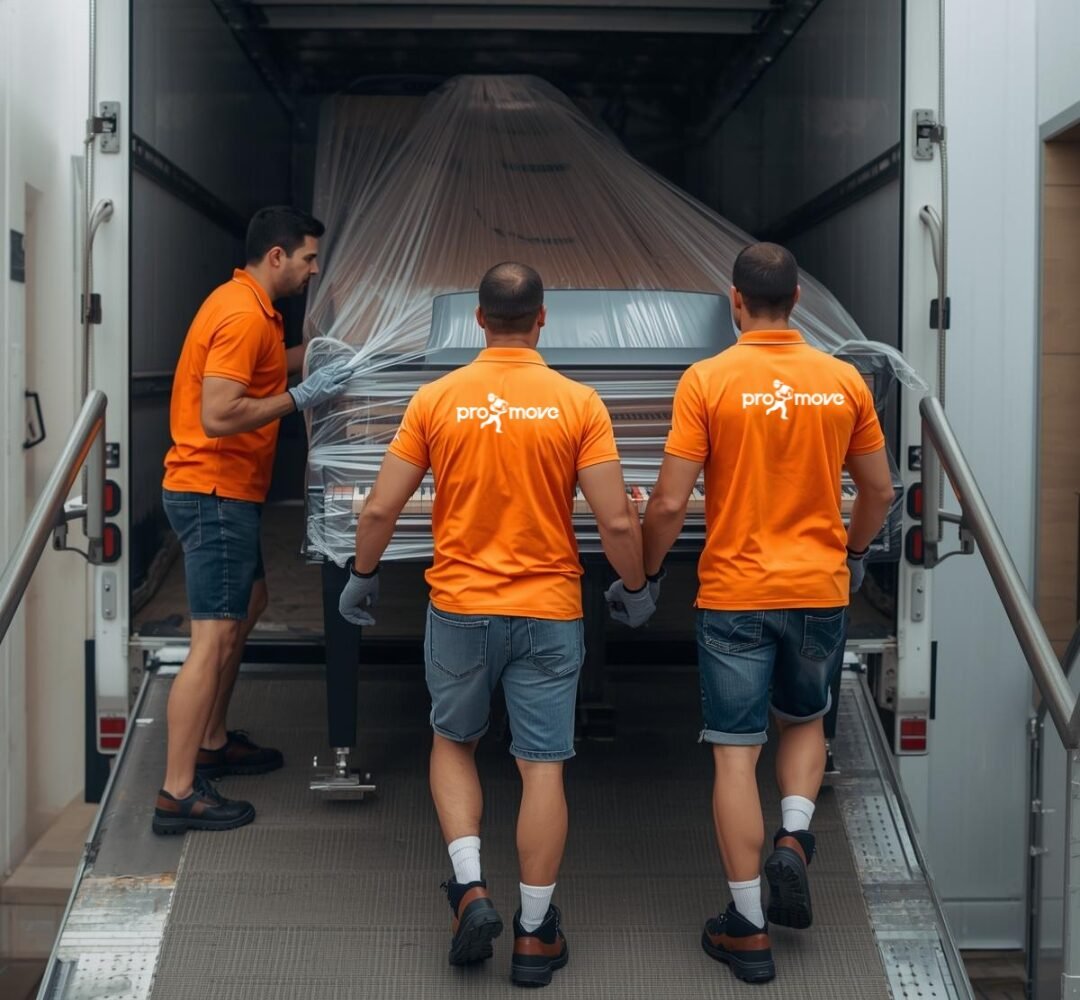
Piano Moving in Greely — Request Your Moving Quote
Planning piano moving in Greely? Map the driveway turnaround and identify private well, septic or irrigation features that vehicles must avoid. Include step count, stair turns and landing dimensions and the full inventory in your request. Tell ProMove Ottawa the date and both addresses to get an informed moving quote.
FREE, NO-OBLIGATION ESTIMATE
Get Your Moving Quote
Tell us about your move in three short steps. ProMove will review the details and contact you about a tailored estimate.
1. Move2. Details3. Contact
✓ Your details are reviewed✓ No obligation✓ Ottawa & surrounding areas
Before you request a quote
Practical Piano Moving checks for your Greely quotation
Confirm whether the instrument is upright, baby grand, grand or another type. The village includes established streets, newer development and many properties served by private individual water and sanitary systems, as recognized in the City's secondary plan. One preventable mistake is requesting a piano quote without identifying its type or dimensions. If the actual access or inventory differs from these assumptions, request an updated scope before the crew is assigned.
1
Measure the item path, not just the address
A Piano Moving team needs to understand step count, stair turns and landing dimensions and door and hallway clearances before the method is agreed. Greely access planning should begin with the private driveway. A piano's weight distribution differs from ordinary furniture. Record the narrowest handling point or proposed staging area, and do not infer property suitability from the neighbourhood description.
2
Confirm a usable loading position in Greely
Inventory garages, basements, sheds and outdoor furniture separately because large Greely lots can hide substantial move volume. Identify the property contact, any written permission and where the truck may safely stand; a nearby curb does not automatically provide permitted loading.
3
Plan around the actual route and job size
Provide gate codes and clear rural address markers before dispatch, especially where neighbouring entrances look similar. Price-relevant details include piano type, size and estimated weight and number and configuration of stairs. Confirm any additional stop, reserved time window or change to the inventory before finalizing a quote.
4
Flag the service-specific handling risk
Avoid assuming casters are intended for rolling the piano across a property when planning Piano Moving in Greely. Winter preparation in Greely must extend from the public road to the final carrying path. Discuss whether the assessment calls for a piano board or suitable dolly selected for the instrument and route. Check the intended work path and sensitive items before agreeing on preparation and labour requirements.
For an estimate for Piano Moving involving Greely, identify piano type, size and estimated weight, required team size and handling equipment and step count, stair turns and landing dimensions. The fastest map option may not be the most suitable for a loaded moving vehicle, particularly if it relies on smaller rural roads or active construction zones. Include the exact origin, destination, requested date and any required building reservation. Confirm separately priced tasks before relying on a provisional figure.
The piano type, instrument dimensions and the narrowest stair or doorway determine whether the proposed handling route is suitable. Do not treat a piano as ordinary wheeled furniture. Greely's housing is predominantly detached, but layouts range from bungalows and older village homes to large multi-level houses on substantial lots. Provide the item scope and note piano type, size and estimated weight and step count, stair turns and landing dimensions before requesting a firm estimate.
Information for your enquiry
Requested work
Piano owners, families, schools and organizations planning an upright or grand piano move where instrument type, access and placement need dedicated assessment.
Quote inputs
Piano type, size and estimated weight; Number and configuration of stairs; Required team size and handling equipment; Travel distance and parking access; Complex entry, removal or placement conditions
Access to check
Step count, stair turns and landing dimensions; Door and hallway clearances; Slope and surface of exterior approaches; Vehicle placement close to the safest entrance
Confirmation
A form submission is an enquiry. Obtain explicit written confirmation of the scope and date before treating the move as booked.
Check the Greely property and current local rules
Map the driveway turnaround and identify private well, septic or irrigation features that vehicles must avoid.
Inventory garages, basements, sheds and outdoor furniture separately because large Greely lots can hide substantial move volume.
Provide gate codes and clear rural address markers before dispatch, especially where neighbouring entrances look similar.
Compare full-size truck access with a smaller shuttle plan if safe road-side reversing cannot be confirmed.
Reserve travel time for the south-to-urban corridor instead of treating a Greely move like an adjacent suburban transfer.
For Piano Moving at a Greely property, verify the actual access and permitted work area. Record whether it is paved or gravel, its narrowest point, slope, overhead clearance and whether a truck can turn around while remaining on a stable surface. Map the driveway turnaround and identify private well, septic or irrigation features that vehicles must avoid. Confirm slope and surface of exterior approaches and obtain any required property-manager or municipal approval for parking and loading. A general local description is not an authorization to use a particular curb or shared space.
Piano Moving access and moving conditions in Greely
Greely is a large rural village south of Ottawa's urban boundary, with residential areas that feel more spacious and dispersed than inner-city neighbourhoods. The village includes established streets, newer development and many properties served by private individual water and sanitary systems, as recognized in the City's secondary plan. For moving purposes, the central question is not density but the relationship between the home, driveway and public road. Generous lots can offer useful staging space, yet long or curved driveways may limit where a full-size truck can turn without crossing landscaped or servicing areas. Moves between Greely and urban Ottawa also require a realistic travel allowance. Customers should share the exact access surface, turnaround dimensions and any gate or overhead restrictions. If a property has a rural mailbox, private lane or similar-looking entrances, clear arrival directions help the crew find the correct access point without unsafe reversing. A useful piano moving brief for Ottawa village and rural-edge communities has to connect the inventory with the route and the available access window. Village and rural-edge addresses can involve longer approaches, private lanes, gravel or seasonal surfaces, gates, outbuildings and greater distance between the vehicle and the main entrance. For this intersection, the instrument type, dimensions, weight distribution, complete route and final placement are assessed as one specialist handling problem, while weather exposure at open entrances should be minimized within the handling sequence. Include barns, sheds, workshops and detached storage only when they form part of the work; accordingly, the handling window should avoid conflicts at narrow routes and allow for safe setup at each entrance. That review gives the crew a workable sequence with honest flexibility.
Greely's housing is predominantly detached, but layouts range from bungalows and older village homes to large multi-level houses on substantial lots. A bigger home often means more furniture, garage storage, outdoor equipment and basement inventory, so the estimate should be based on a room-by-room list rather than bedroom count alone. Long internal walks from rear rooms or lower levels can also affect labour time. Customers should flag septic beds, wells, irrigation components and delicate paved edges before the truck is positioned. These features are not moving obstacles by default, but they identify surfaces that should not carry vehicle weight. Large sectional furniture, exercise equipment and workshop contents need measured exit paths even where exterior space appears abundant. These conditions are not universal, but when present they affect vehicle suitability, walking distance, weather preparation and the order in which household or business contents are handled. For piano moving, this means stairs, landings, slopes and thresholds can make an otherwise short route unsuitable for an upright or grand piano. Identify gates, culverts, steep grades or soft seasonal surfaces before moving day, and the piano type and measurements are needed before crew and equipment can be considered. The walkthrough should pair this service priority: remove loose exterior objects and arrange technical tuning separately after relocation: with a location check: customers should monitor current weather and prepare a safe, firm working path near the move date.
Local moving scenarios
Piano Moving situations involving Greely
Origin scenario
An instrument transferring into or out of suitable storage in Greely. Greely's housing is predominantly detached, but layouts range from bungalows and older village homes to large multi-level houses on substantial lots. For Piano Moving, the estimate should identify piano type, size and estimated weight and door and hallway clearances.
Destination scenario
A purchased piano being collected and placed at another property in Greely. Record whether it is paved or gravel, its narrowest point, slope, overhead clearance and whether a truck can turn around while remaining on a stable surface. Ask the customer to document slope and surface of exterior approaches and number and configuration of stairs before treating this situation as suitable for the requested work.
Route scenario
An upright piano moving between houses with exterior steps in Greely. Scheduling should therefore include an origin access allowance, verified travel route and destination booking window. The job brief for Piano Moving should separately account for required team size and handling equipment and vehicle placement close to the safest entrance.
Transition scenario
A grand piano relocating to a teaching or performance space in Greely. Winter preparation in Greely must extend from the public road to the final carrying path. Confirm step count, stair turns and landing dimensions and travel distance and parking access against the actual pickup and destination before fixing the service scope.
Location access
Conditions to confirm at the Greely stop
Greely access planning should begin with the private driveway. Record whether it is paved or gravel, its narrowest point, slope, overhead clearance and whether a truck can turn around while remaining on a stable surface. Backing a large vehicle from a rural road may be inappropriate where visibility is limited, so the crew may need a smaller vehicle or a longer carry from a safer position. Street parking should never be assumed on roads without conventional curbs or shoulders. Where a move involves a newer subdivision street, confirm temporary construction, contractor vehicles and local parking rules. Gates should be unlocked and snow, bins or trailers removed before arrival. Any shared-lane expectations must be coordinated with neighbours rather than left for moving morning.
Confirm driveway width, turning space, surface condition and a safe practical truck position for the Greely address.
Measure tight stairs, doorways, hallways and elevator openings at the Greely properties before assigning handling methods.
Check applicable property, condominium, landlord or municipal parking requirements for Greely; arrange permission only where required.
Record the walking distance from the expected truck position to each entrance in Greely, including gates or secondary doors.
Share current access notes, contact instructions and any time restrictions for the Greely stops before the move is finalized.
Service access
Conditions that matter for piano moving
Step count, stair turns and landing dimensions
Door and hallway clearances
Slope and surface of exterior approaches
Vehicle placement close to the safest entrance
Confirm lane width, overhead clearance, turning space and a stable vehicle position. For piano moving, weather exposure at open entrances should be minimized within the handling sequence.
Identify gates, culverts, steep grades or soft seasonal surfaces before moving day. For piano moving, the final position needs enough clear room for controlled entry and placement.
Include barns, sheds, workshops and detached storage only when they form part of the work. For piano moving, the piano type and measurements are needed before crew and equipment can be considered.
Keep snow, ice, mud or standing water off the active route as conditions require. For piano moving, every stair turn, doorway and exterior approach requires photographs or reliable dimensions.
Moving process
A Greely plan from scope review through placement
01
Scope
Confirm whether the instrument is upright, baby grand, grand or another type.
02
Schedule
Provide dimensions, photographs and details of steps at both properties.
03
Prepare
Clear the keyboard area and remove loose items from the piano exterior.
04
Protect
Arrange any tuning or specialist technical attention separately after relocation.
05
Confirm
Select a destination position with suitable access and adequate room.
06
Service preparation 1
Remove loose exterior objects and arrange technical tuning separately after relocation. For Ottawa village and rural-edge communities, check the complete route from public road to each building intended for service.
07
Service preparation 2
Choose a destination position before moving day and clear the full approach. For Ottawa village and rural-edge communities, stage contents by building or destination so separate structures do not become mixed.
08
Service preparation 3
Identify the instrument as upright, baby grand, grand or another piano type. For Ottawa village and rural-edge communities, monitor current weather and prepare a safe, firm working path near the move date.
09
Service preparation 4
Provide dimensions and clear photographs of the instrument and both access routes. For Ottawa village and rural-edge communities, send clear approach instructions and current photographs where access is not obvious.
Cost factors
What can shape a Greely estimate
Piano type, size and estimated weight
Number and configuration of stairs
Required team size and handling equipment
Travel distance and parking access
Complex entry, removal or placement conditions
Timing factors
Plan the date, access windows and route together
Routes from Greely toward central Ottawa often use north-south corridors that become busier during commuting periods. The fastest map option may not be the most suitable for a loaded moving vehicle, particularly if it relies on smaller rural roads or active construction zones. Scheduling should therefore include an origin access allowance, verified travel route and destination booking window. A move between Greely and another rural community may cover fewer congested kilometres but still require slower driving and careful turns. Provide accurate civic numbers and a phone contact for both stops. If the inventory needs more than one trip, plan that explicitly because travel time between the village and urban destinations can materially affect the day. Check City traffic and road information again close to dispatch. For piano moving in Ottawa village and rural-edge communities, instrument type, estimated weight, stairs, route geometry, team size, equipment and travel all contribute to work. Longer carries, multiple structures and limited turning space can add labour even when the road distance is known. Timing should account for the actual lane and yard conditions, while the estimate avoids assuming every village or rural property presents the same challenge. The handling window should avoid conflicts at narrow routes and allow for safe setup at each entrance; confirm lane width, overhead clearance, turning space and a stable vehicle position. The estimate should separate confirmed facts from allowances and be revised if inventory or access changes.
Winter preparation in Greely must extend from the public road to the final carrying path. Plow the full vehicle width, clear a turnaround and treat steps before the crew arrives; a narrow tire track is not sufficient for safe moving work. In spring, gravel lanes and unpaved edges can soften, so customers should keep vehicles on established load-bearing surfaces. Summer heat increases the importance of water and prompt handling for temperature-sensitive items. Autumn leaves can conceal uneven ground or drainage edges. Because conditions differ widely between properties, recent photos are more useful than assumptions about the village. Rescheduling decisions should use the forecast and site condition, not the season alone.
For a winter move in Greely, keep entrances, steps and the working path cleared and monitor the forecast close to moving day.
During wet or thaw conditions in Greely, plan floor protection and keep cartons away from exposed ground while loading.
In warmer weather, identify priority items and keep water, medication and temperature-sensitive belongings under customer control.
Allow a practical travel buffer for the confirmed route to or from Greely, especially when weather or road work may affect timing.
Protection plan
Coordinate item protection with property protection
A piano board or suitable dolly selected for the instrument and route.
Protective blankets, wrap and straps applied without stressing delicate components.
Floor and threshold protection on the active route where appropriate.
Controlled team communication during lifts, stairs and placement.
Map the driveway turnaround and identify private well, septic or irrigation features that vehicles must avoid.
Inventory garages, basements, sheds and outdoor furniture separately because large Greely lots can hide substantial move volume.
Provide gate codes and clear rural address markers before dispatch, especially where neighbouring entrances look similar.
Compare full-size truck access with a smaller shuttle plan if safe road-side reversing cannot be confirmed.
Reserve travel time for the south-to-urban corridor instead of treating a Greely move like an adjacent suburban transfer.
Planning mistakes to avoid
Requesting a piano quote without identifying its type or dimensions.
Assuming casters are intended for rolling the piano across a property.
Booking before checking every stair turn and doorway.
Planning tuning before the instrument has been moved and allowed to settle.
Service and location gallery
Piano Moving planning for Greely
Plan the routeProtect the moveConfirm placement
Free moving quote
Request a piano moving quote for Greely
The Greely enquiry should account for travel distance and parking access and vehicle placement close to the safest entrance. Routes from Greely toward central Ottawa often use north-south corridors that become busier during commuting periods. Compare full-size truck access with a smaller shuttle plan if safe road-side reversing cannot be confirmed. Share the addresses, date, actual inventory and any required access permission with ProMove Ottawa so the team can assess the requested Piano Moving work.
Stair turns and small landings may make the preferred route unsuitable. A bigger home often means more furniture, garage storage, outdoor equipment and basement inventory, so the estimate should be based on a room-by-room list rather than bedroom count alone. Reserve travel time for the south-to-urban corridor instead of treating a Greely move like an adjacent suburban transfer. For Piano Moving in Greely, confirm the measurements, permissions and limits of the requested tasks before treating a quotation enquiry as a booking.
For this request, assess piano type, size and estimated weight, number and configuration of stairs and required team size and handling equipment rather than using a neighbourhood-wide rate. Greely is a large rural village south of Ottawa's urban boundary, with residential areas that feel more spacious and dispersed than inner-city neighbourhoods. Map the driveway turnaround and identify private well, septic or irrigation features that vehicles must avoid. Confirm the items, both addresses, service boundaries and any additional work in the written estimate.
The handling assessment should cover step count, stair turns and landing dimensions, door and hallway clearances and slope and surface of exterior approaches. Greely access planning should begin with the private driveway. Record whether it is paved or gravel, its narrowest point, slope, overhead clearance and whether a truck can turn around while remaining on a stable surface. Provide photos or measurements of the tightest points at both ends; do not assume a truck or bulky item will fit because the street looks accessible.
Greely's housing is predominantly detached, but layouts range from bungalows and older village homes to large multi-level houses on substantial lots. A bigger home often means more furniture, garage storage, outdoor equipment and basement inventory, so the estimate should be based on a room-by-room list rather than bedroom count alone. For Piano Moving, confirm door and hallway clearances and piano type, size and estimated weight. Describe the actual building and included storage spaces rather than assuming every home in the community has the same layout.
Backing a large vehicle from a rural road may be inappropriate where visibility is limited, so the crew may need a smaller vehicle or a longer carry from a safer position. Inventory garages, basements, sheds and outdoor furniture separately because large Greely lots can hide substantial move volume. For Piano Moving, factor in step count, stair turns and landing dimensions before settling on the loading position. Ask the owner or property manager to confirm any driveway, curbside or loading-bay conditions, posted restrictions and the distance from the lawful standing position to the items. The neighbourhood label cannot establish parking permission.
Confirm whether the instrument is upright, baby grand, grand or another type. Long internal walks from rear rooms or lower levels can also affect labour time. A piano's weight distribution differs from ordinary furniture. Provide gate codes and clear rural address markers before dispatch, especially where neighbouring entrances look similar. Supply relevant sizes, photographs and the number of pieces; any uncertain handling method requires a separate suitability check.
For Piano Moving, plan around door and hallway clearances and slope and surface of exterior approaches. Street parking should never be assumed on roads without conventional curbs or shoulders. Stair turns and small landings may make the preferred route unsuitable. Measure each turn and the path to the intended final room, not just the first doorway.
Confirm whether the instrument is upright, baby grand, grand or another type. Provide dimensions, photographs and details of steps at both properties. The village includes established streets, newer development and many properties served by private individual water and sanitary systems, as recognized in the City's secondary plan. Compare full-size truck access with a smaller shuttle plan if safe road-side reversing cannot be confirmed. If the inventory or building access changes before the move, update the request before a crew or vehicle plan is treated as final.
The proposed method needs to account for a piano's weight distribution differs from ordinary furniture and step count, stair turns and landing dimensions. Depending on the assessment, relevant options include a piano board or suitable dolly selected for the instrument and route and protective blankets, wrap and straps applied without stressing delicate components. Customers should flag septic beds, wells, irrigation components and delicate paved edges before the truck is positioned. These are planning options, not a promise that any specific tool or specialist is included in a booking.
Routes from Greely toward central Ottawa often use north-south corridors that become busier during commuting periods. The fastest map option may not be the most suitable for a loaded moving vehicle, particularly if it relies on smaller rural roads or active construction zones. Review the exact departure and arrival addresses, possible restrictions and the intended truck approach. Clear the keyboard area and remove loose items from the piano exterior. Any route, timing or additional-stop changes should be evaluated against the written estimate.
Winter preparation in Greely must extend from the public road to the final carrying path. Plow the full vehicle width, clear a turnaround and treat steps before the crew arrives; a narrow tire track is not sufficient for safe moving work. For this service, check step count, stair turns and landing dimensions and discuss floor and threshold protection on the active route where appropriate where suitable. Reconfirm weather-sensitive access near the date; a booked appointment does not remove ice, snow or vehicle-safety limitations.
In spring, gravel lanes and unpaved edges can soften, so customers should keep vehicles on established load-bearing surfaces. Summer heat increases the importance of water and prompt handling for temperature-sensitive items. Where a move involves a newer subdivision street, confirm temporary construction, contractor vehicles and local parking rules. Weather and abrupt environmental changes can affect planning at open doorways. If conditions differ from the survey, send fresh photos and ask whether the loading position, equipment or carrying route needs to be revised before the moving team arrives.
Protective blankets, wrap and straps applied without stressing delicate components. Floor and threshold protection on the active route where appropriate. These features are not moving obstacles by default, but they identify surfaces that should not carry vehicle weight. Identify vulnerable flooring, edges, doors or delicate item surfaces in the route photos. Confirm which protective tasks and materials form part of the agreed Piano Moving scope, especially for shared areas.
Requesting a piano quote without identifying its type or dimensions. Clear the keyboard area and remove loose items from the piano exterior. Large sectional furniture, exercise equipment and workshop contents need measured exit paths even where exterior space appears abundant. Provide gate codes and clear rural address markers before dispatch, especially where neighbouring entrances look similar. Compare the inventory against actual rooms and any outside storage; excluding items can change packing, labour and vehicle requirements.
For moving purposes, the central question is not density but the relationship between the home, driveway and public road. Scheduling should therefore include an origin access allowance, verified travel route and destination booking window. For Piano Moving, confirm vehicle placement close to the safest entrance at each stop separately. Record different elevator windows, steps, truck positions and item destinations instead of transferring the same access assumptions to both addresses.
List every stop, the inventory to be handled at each address and the relevant access times. A move between Greely and another rural community may cover fewer congested kilometres but still require slower driving and careful turns. Delicate pedals, legs or exterior finishes require based on the item preparation. Storage space, packing, extra transport and specialist work are not automatically included; request a written scope and any resulting cost adjustment.
Reserve travel time for the south-to-urban corridor instead of treating a Greely move like an adjacent suburban transfer. Gates should be unlocked and snow, bins or trailers removed before arrival. Stair turns and small landings may make the preferred route unsuitable. Ask whether a permitted alternative standing position, more handling time or a different assessed vehicle arrangement is appropriate. Do not direct a truck onto an unverified surface or bypass building rules.
Generous lots can offer useful staging space, yet long or curved driveways may limit where a full-size truck can turn without crossing landscaped or servicing areas. Backing a large vehicle from a rural road may be inappropriate where visibility is limited, so the crew may need a smaller vehicle or a longer carry from a safer position. Map the driveway turnaround and identify private well, septic or irrigation features that vehicles must avoid. For Piano Moving, also confirm slope and surface of exterior approaches for the actual property. Check current signage, municipal instructions and building or landlord requirements for the actual address; general locality research is not a permit or an approval for a specific property.
Assuming casters are intended for rolling the piano across a property. Booking before checking every stair turn and doorway. Long internal walks from rear rooms or lower levels can also affect labour time. Inventory garages, basements, sheds and outdoor furniture separately because large Greely lots can hide substantial move volume. Before confirming the date, review the item measurements, route, who authorizes any changed work and how the crew will reach each destination room.
Provide accurate civic numbers and a phone contact for both stops. Autumn leaves can conceal uneven ground or drainage edges. Arrange any tuning or specialist technical attention separately after relocation. Reconfirm any building booking and lawful loading location near moving day. The moving service, date and availability are not reserved merely by submitting the quotation form.
Give ProMove Ottawa the exact pickup and destination addresses, preferred date, piano type, size and estimated weight, travel distance and parking access and photographs of the item path, entrances and handling area; confirm step count, stair turns and landing dimensions. Moves between Greely and urban Ottawa also require a realistic travel allowance. Select a destination position with suitable access and adequate room. Clarify additional stops or special items and ask for the accepted work, exclusions and charges to be confirmed in writing.