
Moving within the area
A house or townhouse move in Katimavik, with room-by-room packing and driveway or curb access confirmed in advance.
Kanata communities · Ontario
Prepare for a move within, into or out of Katimavik by connecting the actual properties, access, route, inventory and requested services.
Scope, access and next steps
Request moving support for a route within, into or out of Katimavik. Share both addresses, the preferred date and the work you need. Availability and item suitability must be confirmed before booking.
| Requested work | Identify whether the Katimavik stop involves a household, business, storage facility or another receiving arrangement. |
|---|---|
| Quote inputs | Inventory, both addresses, requested services, date, stairs, carrying distance and building access windows. |
| Access to check | Pickup and destination floors, stairs, elevators, lawful vehicle position, entrances and the path to each room. |
| Confirmation | A form submission is an enquiry. Obtain explicit written confirmation of the scope and date before treating the move as booked. |
These are planning checks, not confirmation of permission at a particular property. Check the relevant authority or building manager for current requirements.
Moving in Katimavik
Katimavik is a planned Kanata community where houses, townhouses and multi-unit properties are connected by a network of residential streets, paths and collector roads. Katimavik Road, Castlefrank Road and nearby Highway 417 shape many trips, while City projects along local pathways illustrate that pedestrian connections are an important part of the area’s layout. That pattern creates different moving conditions within a short distance: one customer may have a private driveway, another a townhouse parking court, and another a building entrance set back from the nearest legal truck position. A reliable plan should therefore begin with the precise unit and entrance, not simply the postal address. Elevator or stair details, parking arrangements and the length of the outdoor carry should all be confirmed before estimating time.
Katimavik’s varied low- and medium-density housing calls for property-specific inventory work. Detached and semi-detached homes may include basements and garage-stored belongings, while townhouses can have several narrow levels and limited staging space near the door. Apartment or condominium addresses may require a reserved elevator, a key or fob handoff and protection for common corridors. Customers should identify whether the front entrance, garage or patio door is the practical furniture route. Large desks, exercise equipment and sectionals deserve measurements at each turn, particularly when a finished basement or upper-level landing is involved.

Typical local scenarios
The property and service details matter more than the neighbourhood label alone.
A house or townhouse move in Katimavik, with room-by-room packing and driveway or curb access confirmed in advance.
An apartment or condominium move in Katimavik, if the property uses shared corridors, stairs, elevators or scheduled loading access.
A move within Katimavik involving family furniture, appliances and labelled boxes assigned to destination rooms.
A move into or out of Katimavik where temporary storage or phased delivery may help if possession dates do not align.
Access and parking
Curving residential streets and shared parking areas can make the nearest visible curb unsuitable for a large vehicle. Confirm whether the truck will use a private driveway, designated visitor space or legal curbside position, and do not reserve space informally with household objects. Pathway-facing or set-back units need an honest carry-distance estimate, including slopes, gates and winter maintenance. For a multi-unit property, obtain written building instructions and confirm loading-door dimensions. The crew should also know whether school, pool or community-facility activity is likely near the address so arrival and staging can remain orderly without obstructing local access.
Season and route
Katimavik sits close to Highway 417, but highway proximity does not remove the time needed to leave an interior residential loop and position safely at the next property. Castlefrank, Katimavik and Eagleson connections can carry commuter and school-period traffic; a west-end transfer may also use Terry Fox Drive. Plan travel from the actual origin to the actual destination, then add time for building check-in or townhouse-court access at either end. Terry Fox and Eagleson stations confirm nearby transit activity and park-and-ride movements. Review the City traffic map on moving day rather than depending on a typical travel estimate prepared weeks earlier.
In winter, Katimavik’s pathways, shared walks and townhouse steps can require more preparation than the road itself. Confirm who clears the route, remove packed snow and treat ice without leaving loose grit where dollies will roll. City winter parking bans and temporary snow-removal signs can change curb availability. In wet spring weather, use floor and threshold protection at every entrance. Warm-weather moves should keep essential medication and temperature-sensitive items with the customer, not in a staged outdoor pile.
Preparation checklist
Build a room-by-room inventory for the Katimavik move and flag heavy, fragile, high-value or unusually shaped items for review.
Confirm the origin, destination, move date, access conditions and preferred contact person for every Katimavik stop.
Label boxes by destination room and handling priority so unloading at the Katimavik property follows a clear placement plan.
Keep keys, identification, medication, essential documents, chargers and first-night necessities separate from the moving load.
Twelve focused services
Every location page connects to the approved 12-service cluster, giving customers a useful path from place to service and back again.
Efficient moves within Ottawa and approved nearby communities.
View in KatimavikCoordinated relocations beyond Ottawa with clear planning and delivery steps.
View in KatimavikRoom-by-room moving support for houses of different sizes and access conditions.
View in KatimavikResponsive planning for urgent and short-notice moving situations.
View in KatimavikOrganized office moves designed around continuity, access and equipment.
View in KatimavikFull or partial packing help using an organized, room-by-room approach.
View in KatimavikMoving labour for loading, unloading and on-site rearrangement.
View in KatimavikCareful handling for individual pieces and full-room furniture moves.
View in KatimavikMoving plans for upright and grand pianos based on access at both properties.
View in KatimavikCoordinated moves into, out of or between suitable storage arrangements.
View in KatimavikPatient, step-by-step moving support for seniors and their families.
View in KatimavikPlanning and moving help for a more manageable home and inventory.
View in KatimavikMoving-day context
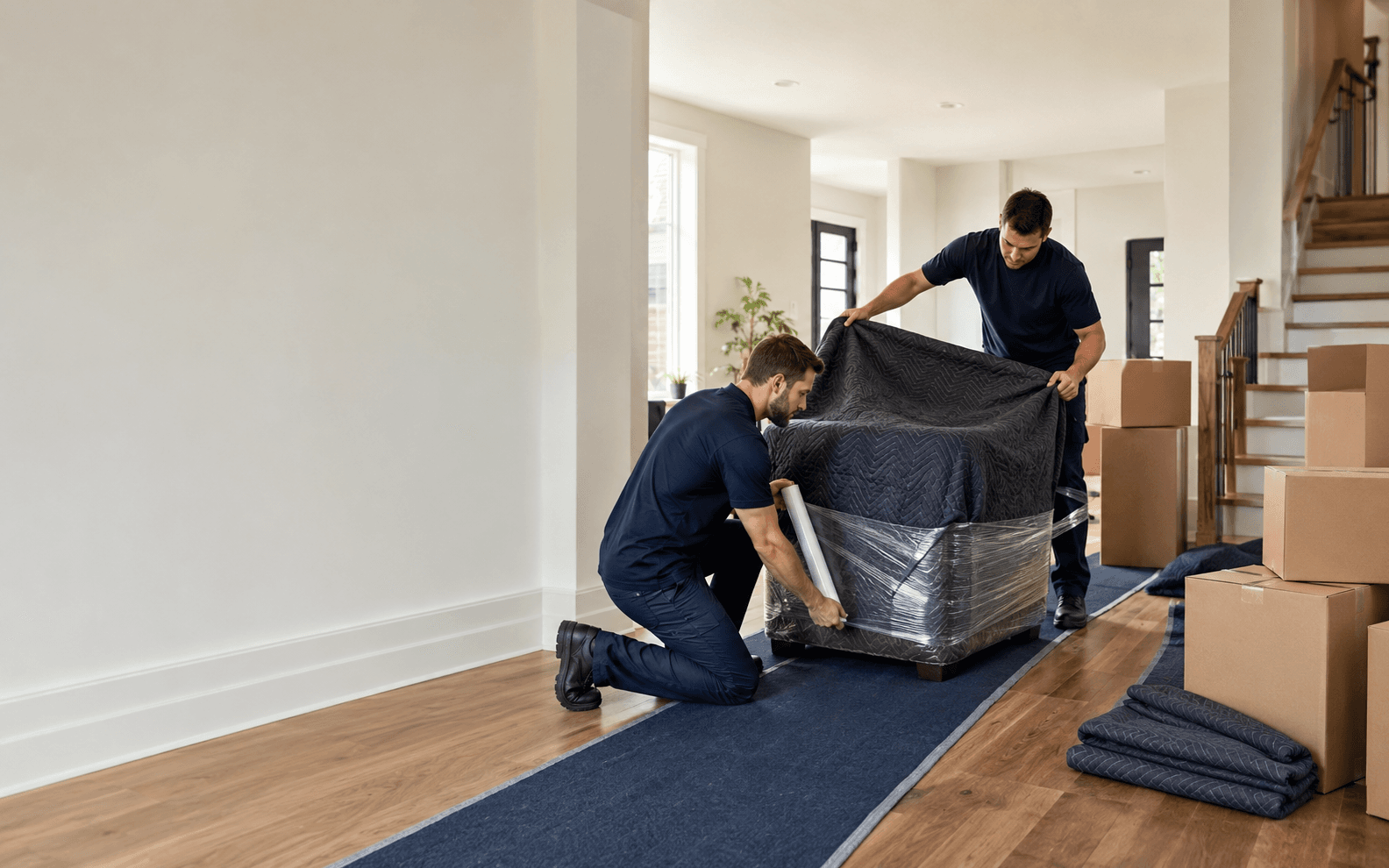
Relevant visuals break up detailed planning guidance and show how preparation, protection and access fit together.

Free moving quote
Include the origin, destination, property types, access, inventory and requested services. ProMove Ottawa can then review the whole move rather than relying on a location name alone.
About this page
Use this location information to prepare an enquiry. Confirm current building rules, access and service availability for the two actual properties. General planning information is not a survey of a particular address or confirmation that a task has been accepted.
Page content updated September 20, 2026. About ProMove OttawaHelpful answers
Answers to scope, access, preparation and booking questions.
Provide the origin, destination, preferred date, inventory and any requested packing or special-item work. Katimavik is a planned Kanata community where houses, townhouses and multi-unit properties are connected by a network of residential streets, paths and collector roads. Katimavik Road, Castlefrank Road and nearby Highway 417 shape many trips, while City projects along local pathways illustrate that pedestrian connections are an important part of the area’s layout. That pattern creates different moving conditions within a short distance: one customer may have a private driveway, another a townhouse parking court, and another a building entrance set back from the nearest legal truck position. A reliable plan should therefore begin with the precise unit and entrance, not simply the postal address. Elevator or stair details, parking arrangements and the length of the outdoor carry should all be confirmed before estimating time. Ask the team to confirm availability and suitability for the actual properties; a neighbourhood page is not a confirmed booking or a claim of a local branch office.
Katimavik’s varied low- and medium-density housing calls for property-specific inventory work. Detached and semi-detached homes may include basements and garage-stored belongings, while townhouses can have several narrow levels and limited staging space near the door. Apartment or condominium addresses may require a reserved elevator, a key or fob handoff and protection for common corridors. Customers should identify whether the front entrance, garage or patio door is the practical furniture route. Large desks, exercise equipment and sectionals deserve measurements at each turn, particularly when a finished basement or upper-level landing is involved.
Contact the team once the likely date and addresses are known. State which details remain provisional, especially possession, keys and elevator reservations. Availability depends on the complete route and work requested. An estimate or submitted enquiry does not hold a date; obtain explicit booking confirmation after outstanding access questions are resolved.
Inventory, requested services, carrying distances, stairs, vehicle access, building windows and the complete route all affect the work. A bedroom count is only a starting point. Include sheds, garages, lockers and unusual items, and distinguish customer preparation from work you want quoted. Request a review when any of those inputs changes.
Ask about move-in and move-out hours, elevator reservations, loading bays, common-area protection, required documents and the person providing access. Record each building separately. Confirm the permitted route to the unit and where a vehicle may legally stand; residential visitor parking does not necessarily permit moving operations.
Confirm the exact unit entrance because the mailing address may not identify the shortest lawful carrying route. Include basement, garage, outbuilding and side-door access in the inventory. Measure large furniture against the complete route to its destination room. Confirm keys and possession before arranging unloading, and identify any preparation or technical disconnection that belongs to the customer or a specialist.
Curving residential streets and shared parking areas can make the nearest visible curb unsuitable for a large vehicle. Confirm whether the truck will use a private driveway, designated visitor space or legal curbside position, and do not reserve space informally with household objects. Pathway-facing or set-back units need an honest carry-distance estimate, including slopes, gates and winter maintenance. For a multi-unit property, obtain written building instructions and confirm loading-door dimensions. The crew should also know whether school, pool or community-facility activity is likely near the address so arrival and staging can remain orderly without obstructing local access.
No. A short drive does not remove loading, packing, stairs, elevator waiting or room-placement work. Describe the same inventory and access details as for a longer route. If the properties have limited access windows, coordinate those first so a nearby destination does not create an avoidable waiting period.
Give the full address at each end and identify additional stops. The team needs to assess the route, inventory and service rather than infer coverage from a nearby-area link. Obtain written confirmation of the agreed work and delivery arrangements, especially where the destination has different building or receiving rules.
In winter, Katimavik’s pathways, shared walks and townhouse steps can require more preparation than the road itself. Confirm who clears the route, remove packed snow and treat ice without leaving loose grit where dollies will roll. City winter parking bans and temporary snow-removal signs can change curb availability. In wet spring weather, use floor and threshold protection at every entrance. Warm-weather moves should keep essential medication and temperature-sensitive items with the customer, not in a staged outdoor pile.
Retain medication, identity documents, keys, valuables, payment cards and immediate personal essentials. Clearly identify no-load items before handling begins. Ask about restricted goods and responsibility for important records; neither packing materials nor a general moving enquiry confirms that every item can be transported.
Start with the work: a complete household move, packing, labour-only loading, furniture transport, business relocation or a specialist-item assessment. Follow the service links on this page for the relevant scope. If several services are needed, request one itemized plan that identifies what is included and what requires separate approval.
List the rooms, approximate contents, fragile items and tasks you want completed. Clarify whether materials, packing, transport, unpacking and debris handling are part of the requested scope. Preparation may need a separate appointment. Do not assume those tasks are included in a transport estimate unless they are expressly listed.
Describe pickup and destination independently. Count exterior and interior stairs, identify floors, photograph turns and landings, and provide elevator dimensions and booking restrictions where relevant. A lift at one address says nothing about the other. Report narrow doorways or a long carry before scheduling rather than after the truck arrives.
Notify the team as soon as the change is known and ask for availability and the estimate to be reviewed. Provide the revised details in one message or document to avoid conflicting instructions. A previously discussed date, crew or price should not be assumed to remain valid after the scope changes.
Measure the item and the tightest parts of both access routes, empty suitable drawers and identify loose components. Ask who is responsible for disassembly and reassembly and whether specialist attention is required. Keep fittings labelled with the correct piece; do not attempt an unsafe lift simply to test whether the item fits.
Katimavik sits close to Highway 417, but highway proximity does not remove the time needed to leave an interior residential loop and position safely at the next property. Castlefrank, Katimavik and Eagleson connections can carry commuter and school-period traffic; a west-end transfer may also use Terry Fox Drive. Plan travel from the actual origin to the actual destination, then add time for building check-in or townhouse-court access at either end. Terry Fox and Eagleson stations confirm nearby transit activity and park-and-ride movements. Review the City traffic map on moving day rather than depending on a typical travel estimate prepared weeks earlier.
Identify the authorized contact, receiving schedule, workstation labels and reopening priorities. Define responsibility for IT disconnection, confidential records and specialist equipment separately from ordinary furniture handling. Check both buildings' service routes and approval requirements, and do not assume a household moving arrangement covers regulated or technical tasks.
Measure every landing on multi-level townhouses before assuming a sectional or desk can follow the main staircase. Ask the property manager whether a shared parking court has a designated loading position or time restriction. Map the outdoor carry separately when a home fronts a pathway rather than the vehicle-access side of the property. Build extra check-in time into any move involving elevator access, keys, fobs or a common loading door. These checks describe questions to resolve, not confirmation of access at any named building. Use the current property manager or responsible authority for permissions and operating rules.
A submitted form is an enquiry. Obtain explicit written confirmation of the accepted date, route, services, access arrangements and terms before treating it as a booking. Keep any remaining conditions visible and agree who will resolve them; neither a location listing nor a telephone discussion replaces that confirmation.
Continue planning