Downsizing in Casselman by ProMove Ottawa

Storage and transition · Casselman

Downsizing in Casselman With a Plan for Every Property Detail

Connect downsizing requirements with Casselman property access, the route, inventory, requested preparation and moving-day timing.

Why the service and location matter together

Downsizing shaped around real Casselman moving conditions

A complete quote should include basement, garage and shed contents, any elevator or landlord requirements, and the onward route. A customer-focused approach to downsizing in a nearby regional community starts by testing assumptions against the actual inventory and route. Separate move, family, storage and removal groups reduce last-minute confusion. For downsizing involving Casselman, ProMove Ottawa connects those points with the confirmed inventory, date, route and access notes before the requested scope is treated as complete.

If a home is near rail infrastructure, plan normal noise and crossing activity without entering or staging on railway property. The smaller home must accommodate circulation, storage and essential furniture rather than merely fit each item individually. Colour-coded labels for move, storage and recipient destinations. A Casselman property review for downsizing therefore identifies where the relevant items are located, how they leave each room and where they should be placed at the destination.

Downsizing preparation for a move involving Casselman

Local moving scenarios

Downsizing situations involving Casselman

Origin scenario

A family moves from a multi-bedroom house into a condo or apartment. For Casselman, a customer reducing stored belongings before a long-distance relocation in a nearby regional community; the page should examine whether destination access is fully ready before the vehicle leaves the more distant origin. A complete quote should include basement, garage and shed contents, any elevator or landlord requirements, and the onward route.

Destination scenario

A senior household transitions to a more manageable residence. For Casselman, a household changing lifestyle after renovation or family transition in a nearby regional community; the page should examine how current route conditions should be reflected without promising a fixed travel duration. Apartments require confirmation of stairs, elevator access, door-propping rules and an approved truck position.

Route scenario

A customer reduces stored belongings before a long-distance move. For Casselman, a family moving from a multi-bedroom house into a condo in a nearby regional community; the page should examine whether a storage stop or secondary delivery changes the most efficient regional sequence. Keep hydrants, sidewalks, fire routes and neighbouring drives open.

Transition scenario

A home renovation or lifestyle change prompts a significant inventory reduction. For Casselman, a senior household choosing a smaller and simpler residence in a nearby regional community; the page should examine how the regional travel segment makes a complete departure inventory especially important. Confirm that navigation uses the correct civic number and a truck-suitable road.

Moving process

A Casselman plan from scope review through placement

The sequence connects downsizing requirements with the two properties and route.

01

Scope

Measure destination rooms, storage and furniture access. For Casselman, arrange family transfers, storage and approved removal before moving day. For a nearby regional community, set a delivery window that reflects both travel and destination handling. Apartments require confirmation of stairs, elevator access, door-propping rules and an approved truck position.

02

Schedule

Create a realistic furniture layout before deciding what will move. For Casselman, sequence priority furniture and first-use cartons so the new space remains functional. For a nearby regional community, keep customer-carried essentials separate in case the move occupies most of the day. Keep hydrants, sidewalks, fire routes and neighbouring drives open.

03

Prepare

Sort one category or room at a time using consistent destination groups. For Casselman, draw a practical destination layout before making final furniture decisions. For a nearby regional community, complete a final inventory sweep before the vehicle departs the origin. Confirm that navigation uses the correct civic number and a truck-suitable road.

04

Protect

Arrange decisions for family transfers, storage and approved removal early. For Casselman, sort one room or category at a time into consistent destination groups. For a nearby regional community, share precise addresses and entry instructions for properties that may be less familiar. Snowbanks can reduce curb length and make compact central streets tighter.

05

Confirm

Pack immediate-use items separately for the first days in the new home. For Casselman, arrange family transfers, storage and approved removal before moving day. For a nearby regional community, set a delivery window that reflects both travel and destination handling. The Municipality publishes detailed road-network and winter-parking information, which is relevant to truck positioning.

Location access

Conditions to confirm at the Casselman stop

Casselman's municipal road page identifies public parking and winter overnight restrictions, including rules intended to keep snow-removal routes clear. Include any outbuilding, storage or secondary stop that changes the regional route. For downsizing, destination room and storage dimensions should be compared with the retained inventory. Condo or apartment elevator rules Check applicable property, condominium, landlord or municipal parking requirements for Casselman; arrange permission only where required. Those combined Casselman access facts help determine the appropriate crew sequence and equipment for downsizing at the two confirmed addresses.

  • Confirm whether driveway, curbside or designated loading access is available at each Casselman address.
  • Measure tight stairs, doorways, hallways and elevator openings at the Casselman properties before assigning handling methods.
  • Check applicable property, condominium, landlord or municipal parking requirements for Casselman; arrange permission only where required.
  • Record the walking distance from the expected truck position to each entrance in Casselman, including gates or secondary doors.
  • Share current access notes, contact instructions and any time restrictions for the Casselman stops before the move is finalized.

Service access

Conditions that matter for downsizing

  • Destination furniture and storage capacity For Casselman, allow travel flexibility for current road and weather conditions without asserting a fixed duration. For downsizing, cartons cannot be allowed to block the smaller destination before furniture placement. Keep hydrants, sidewalks, fire routes and neighbouring drives open.
  • Condo or apartment elevator rules For Casselman, verify destination keys, contact instructions and loading access before leaving the origin. For downsizing, condo, apartment or managed-residence procedures may affect the arrival plan. Confirm that navigation uses the correct civic number and a truck-suitable road.
  • Space for carton staging and unpacking For Casselman, include any outbuilding, storage or secondary stop that changes the regional route. For downsizing, destination room and storage dimensions should be compared with the retained inventory. Snowbanks can reduce curb length and make compact central streets tighter.
  • Access for family pickups or separate deliveries For Casselman, confirm the complete route and vehicle approach rather than relying only on the community name. For downsizing, separate recipient or storage deliveries require clear labels and coordinated access. The Municipality publishes detailed road-network and winter-parking information, which is relevant to truck positioning.

Cost factors

What can shape a Casselman estimate

  • Current household volume and sorting readiness For Casselman, for downsizing in a nearby regional community, sorting readiness, multiple destinations, packing, furniture work and access at the smaller home influence labour. Confirm that navigation uses the correct civic number and a truck-suitable road.
  • Packing and unpacking support For Casselman, vehicle time and kilometres are more visible for a nearby regional move, but they do not replace access analysis. Snowbanks can reduce curb length and make compact central streets tighter.
  • Storage or additional delivery destinations For Casselman, the estimate should also account for inventory, stairs, long carries, packing and secondary stops, with timing based on current conditions rather than a guaranteed travel time. The Municipality publishes detailed road-network and winter-parking information, which is relevant to truck positioning.
  • Furniture disassembly and placement For Casselman, decisions need enough lead time for recipients, storage and removal arrangements without delaying the core move; allow travel flexibility for current road and weather conditions without asserting a fixed duration. Central homes may sit on compact lots with narrower driveways or mature landscaping, while newer houses can have larger inventories and unfinished exterior grading.
  • Access conditions at the smaller home For Casselman, the estimate should separate confirmed facts from allowances and be revised if inventory or access changes. Photograph signs and the intended loading area, then confirm any municipal or landlord approval.

Timing factors

Plan the date, access windows and route together

Check provincial and municipal road information near dispatch rather than relying on the quote-day route. The estimate should also account for inventory, stairs, long carries, packing and secondary stops, with timing based on current conditions rather than a guaranteed travel time. Access conditions at the smaller home For downsizing involving Casselman, the estimate and schedule review route timing, possession or building windows, extra stops and requested preparation as connected factors.

Snowbanks can reduce curb length and make compact central streets tighter. During wet or thaw conditions in Casselman, plan floor protection and keep cartons away from exposed ground while loading. Sort one room or category at a time into consistent destination groups. For a nearby regional community, share precise addresses and entry instructions for properties that may be less familiar. The smaller destination can become blocked if cartons arrive without placement zones. ProMove Ottawa reviews current Casselman conditions close to the scheduled downsizing date and asks customers to report changes affecting access, safety or readiness.

  • For a winter move in Casselman, keep entrances, steps and the working path cleared and monitor the forecast close to moving day.
  • During wet or thaw conditions in Casselman, plan floor protection and keep cartons away from exposed ground while loading.
  • In warmer weather, identify priority items and keep water, medication and temperature-sensitive belongings under customer control.
  • Allow a practical travel buffer for the confirmed route to or from Casselman, especially when weather or road work may affect timing.

Protection plan

Coordinate item protection with property protection

  • Colour-coded labels for move, storage and recipient destinations. For Casselman, confirm the complete route and vehicle approach rather than relying only on the community name, and cartons cannot be allowed to block the smaller destination before furniture placement. Snowbanks can reduce curb length and make compact central streets tighter.
  • Protective packing for keepsakes and retained fragile belongings. For Casselman, the walkthrough should pair this service priority: sequence priority furniture and first-use cartons so the new space remains functional: with a location check: customers should complete a final inventory sweep before the vehicle departs the origin. The Municipality publishes detailed road-network and winter-parking information, which is relevant to truck positioning.
  • Floor-plan-based room labels at the destination. For Casselman, the smaller home must accommodate circulation, storage and essential furniture rather than merely fit each item individually. Central homes may sit on compact lots with narrower driveways or mature landscaping, while newer houses can have larger inventories and unfinished exterior grading.
  • Priority carton zones that keep essential living areas clear. For Casselman, that point matters in a nearby regional community because the extra distance makes accurate inventory and destination readiness more important because an unplanned return to the origin uses substantially more time than a local repositioning. Photograph signs and the intended loading area, then confirm any municipal or landlord approval.
  • Do not use the VIA Rail parking area as truck staging unless the responsible authority has explicitly approved it. A customer reducing stored belongings before a long-distance relocation in a nearby regional community; the page should examine whether destination access is fully ready before the vehicle leaves the more distant origin. For downsizing, also confirm measure destination rooms, storage and furniture access..
  • Leave a timing buffer for railway crossings instead of scheduling to an uninterrupted map estimate. A household changing lifestyle after renovation or family transition in a nearby regional community; the page should examine how current route conditions should be reflected without promising a fixed travel duration. For downsizing, also confirm create a realistic furniture layout before deciding what will move..
  • Check Casselman's current road-network page for winter parking hours before finalizing curb access. A family moving from a multi-bedroom house into a condo in a nearby regional community; the page should examine whether a storage stop or secondary delivery changes the most efficient regional sequence. For downsizing, also confirm sort one category or room at a time using consistent destination groups..
  • Separate compact central-street planning from newer-subdivision driveway and construction conditions. A senior household choosing a smaller and simpler residence in a nearby regional community; the page should examine how the regional travel segment makes a complete departure inventory especially important. For downsizing, also confirm arrange decisions for family transfers, storage and approved removal early..
  • Join Highway 417 only after sequencing any local pickup, storage or donation stops efficiently. A customer reducing stored belongings before a long-distance relocation in a nearby regional community; the page should examine whether destination access is fully ready before the vehicle leaves the more distant origin. For downsizing, also confirm pack immediate-use items separately for the first days in the new home..

Planning mistakes to avoid

  • Choosing furniture by sentiment without checking the destination floor plan. For Casselman, do not use the VIA Rail parking area as truck staging unless the responsible authority has explicitly approved it. A complete quote should include basement, garage and shed contents, any elevator or landlord requirements, and the onward route.
  • Postponing storage and recipient decisions until moving day. For Casselman, leave a timing buffer for railway crossings instead of scheduling to an uninterrupted map estimate. Apartments require confirmation of stairs, elevator access, door-propping rules and an approved truck position.
  • Sending every carton to the new home for later sorting. For Casselman, check Casselman's current road-network page for winter parking hours before finalizing curb access. Keep hydrants, sidewalks, fire routes and neighbouring drives open.
  • Filling entrances and primary rooms before priority furniture is placed. For Casselman, separate compact central-street planning from newer-subdivision driveway and construction conditions. Confirm that navigation uses the correct civic number and a truck-suitable road.

Service and location gallery

Downsizing planning for Casselman

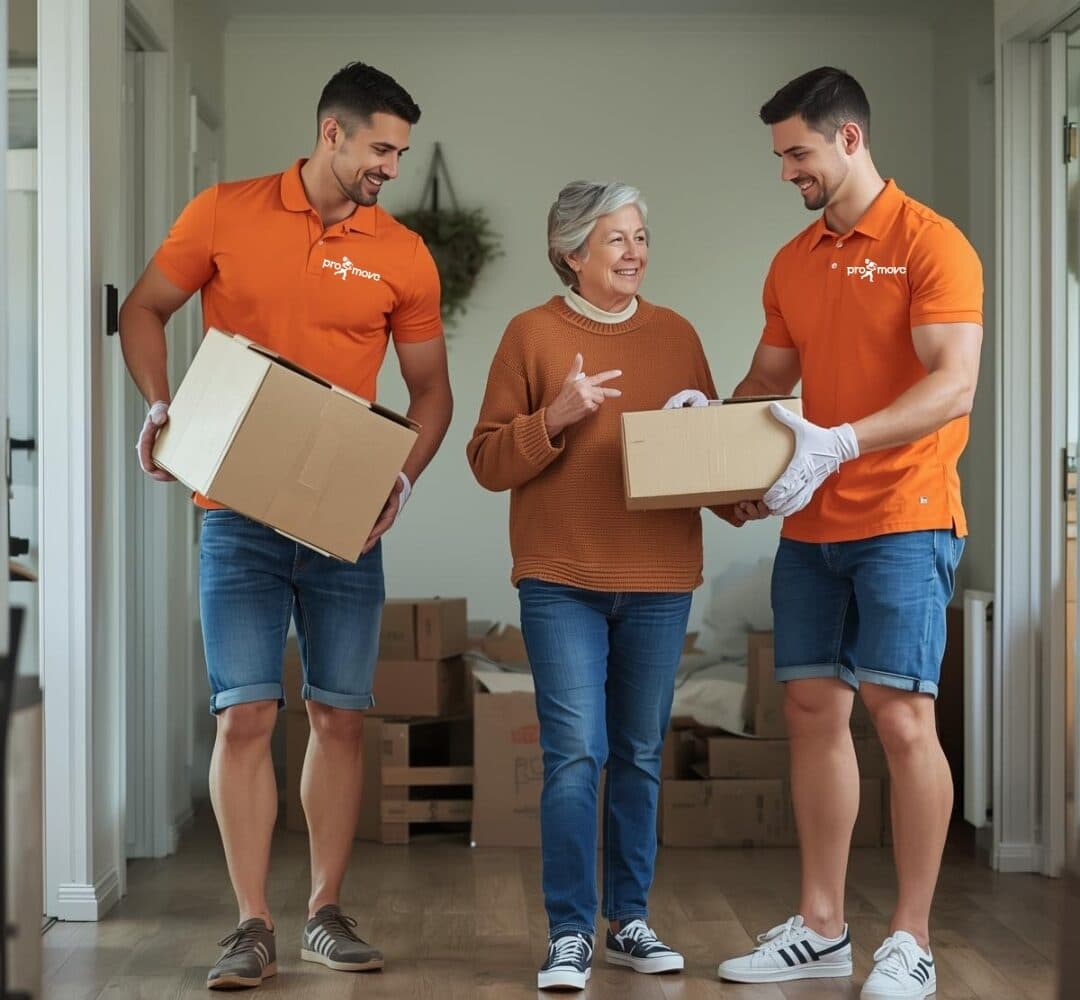
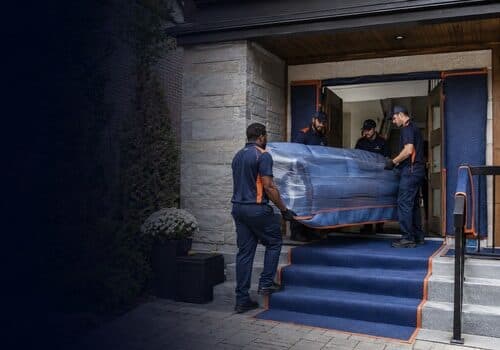
Relevant visuals break up detailed planning guidance and show how preparation, protection and access fit together.

Free moving quote

Request a downsizing quote for Casselman

Share both addresses, the date, inventory, property types, access conditions, requested support and any special items. ProMove Ottawa will review the actual move rather than relying on a generic location rate.

Content ownership and review

Prepared and maintained by ProMove Ottawa

This downsizing and Casselman service-location guidance is reviewed against the page’s stated service scope, Ottawa-area access considerations and the information customers need to request a useful estimate. Building rules, road conditions and availability can change, so customers should confirm current details for both properties before moving day.

Editorial owner: ProMove Ottawa · Recovery review: September 20, 2026

Helpful answers

Twenty answers about downsizing in Casselman

Direct answers first, followed by at least 50 words of practical planning detail.

Browse all 100 FAQs

Treat the service scope and the Casselman context as two parts of the same answer. A complete quote should include basement, garage and shed contents, any elevator or landlord requirements, and the onward route. A relevant intersection detail is that a senior household choosing a smaller and simpler residence in a nearby regional community; the page should examine how the regional travel segment makes a complete departure inventory especially important. The preparation should include this task: create a realistic furniture layout before deciding what will move. For access, customers should check applicable property, condominium, landlord or municipal parking requirements for Casselman; arrange permission only where required. Join Highway 417 only after sequencing any local pickup, storage or donation stops efficiently. Because furniture disassembly and placement may shape the estimate, ProMove Ottawa asks for current facts about both properties and revisits the plan when those facts change before the scheduled move.

Start with the actual Casselman properties rather than a generic downsizing assumption. Central homes may sit on compact lots with narrower driveways or mature landscaping, while newer houses can have larger inventories and unfinished exterior grading. For this intersection, destination measurements and daily-living priorities guide what moves, goes to family, enters storage or leaves the inventory, while condo, apartment or managed-residence procedures may affect the arrival plan. The customer should sort one category or room at a time using consistent destination groups. and should record the walking distance from the expected truck position to each entrance in Casselman, including gates or secondary doors. Do not use the VIA Rail parking area as truck staging unless the responsible authority has explicitly approved it. ProMove Ottawa then relates those findings to access conditions at the smaller home, the requested date and the complete inventory. Report later changes promptly because even a small access or scope change can alter the sensible crew sequence.

The practical answer depends on the inventory, both addresses and the agreed downsizing scope. Confirm the complete route and vehicle approach rather than relying only on the community name, and cartons cannot be allowed to block the smaller destination before furniture placement. At a Casselman origin or destination, customers should consult the current page because specific dates or hours can be amended. Customers should also share current access notes, contact instructions and any time restrictions for the Casselman stops before the move is finalized. A useful preparation priority is to arrange decisions for family transfers, storage and approved removal early. Leave a timing buffer for railway crossings instead of scheduling to an uninterrupted map estimate. Those details allow ProMove Ottawa to review current household volume and sorting readiness without treating every property in Casselman as though it presents the same route or handling conditions.

For Downsizing in Casselman, the main planning question is how the service requirements meet the real truck-to-room path. Check Casselman's current road-network page for winter parking hours before finalizing curb access. Highway 417 gives Casselman a direct regional connection, but timing should account for the exact interchange, weather, incidents and the destination's urban access. The intersection-specific consideration is this: decisions need enough lead time for recipients, storage and removal arrangements without delaying the core move; allow travel flexibility for current road and weather conditions without asserting a fixed duration. Before confirming the moving window, customers should pack immediate-use items separately for the first days in the new home. They should also confirm whether driveway, curbside or designated loading access is available at each Casselman address. The estimate may reflect packing and unpacking support, so changes to inventory, timing or access need review instead of being left until moving day.

ProMove Ottawa reviews this point as part of one connected Casselman plan. Verify destination keys, contact instructions and loading access before leaving the origin. For downsizing, condo, apartment or managed-residence procedures may affect the arrival plan. Updated site photos are needed after snow, grading or construction changes the planned truck space. For the requested downsizing, the customer should measure tight stairs, doorways, hallways and elevator openings at the Casselman properties before assigning handling methods. and should measure destination rooms, storage and furniture access. Separate compact central-street planning from newer-subdivision driveway and construction conditions. The review also considers storage or additional delivery destinations. This direct, property-specific approach gives the team better information for follow-up while avoiding unsupported assumptions about a neighbourhood, building, road, parking space or travel duration.

Treat the service scope and the Casselman context as two parts of the same answer. For an Ottawa-bound move, allow highway contingency rather than linking a building booking to the shortest map estimate. A relevant intersection detail is that a family moving from a multi-bedroom house into a condo in a nearby regional community; the page should examine whether a storage stop or secondary delivery changes the most efficient regional sequence. The preparation should include this task: create a realistic furniture layout before deciding what will move. For access, customers should check applicable property, condominium, landlord or municipal parking requirements for Casselman; arrange permission only where required. Join Highway 417 only after sequencing any local pickup, storage or donation stops efficiently. Because furniture disassembly and placement may shape the estimate, ProMove Ottawa asks for current facts about both properties and revisits the plan when those facts change before the scheduled move.

Start with the actual Casselman properties rather than a generic downsizing assumption. Apartments require confirmation of stairs, elevator access, door-propping rules and an approved truck position. Nearby communities outside Ottawa’s urban core add a regional travel segment to property handling and may offer a mix of town-centre, subdivision, apartment and rural-edge addresses. The customer should sort one category or room at a time using consistent destination groups. and should record the walking distance from the expected truck position to each entrance in Casselman, including gates or secondary doors. Do not use the VIA Rail parking area as truck staging unless the responsible authority has explicitly approved it. ProMove Ottawa then relates those findings to access conditions at the smaller home, the requested date and the complete inventory. Report later changes promptly because even a small access or scope change can alter the sensible crew sequence.

The practical answer depends on the inventory, both addresses and the agreed downsizing scope. That point matters in a nearby regional community because the extra distance makes accurate inventory and destination readiness more important because an unplanned return to the origin uses substantially more time than a local repositioning. At a Casselman origin or destination, casselman's municipal road page identifies public parking and winter overnight restrictions, including rules intended to keep snow-removal routes clear. Customers should also share current access notes, contact instructions and any time restrictions for the Casselman stops before the move is finalized. A useful preparation priority is to arrange decisions for family transfers, storage and approved removal early. Leave a timing buffer for railway crossings instead of scheduling to an uninterrupted map estimate. Those details allow ProMove Ottawa to review current household volume and sorting readiness without treating every property in Casselman as though it presents the same route or handling conditions.

For Downsizing in Casselman, the main planning question is how the service requirements meet the real truck-to-room path. Check Casselman's current road-network page for winter parking hours before finalizing curb access. A move to Ottawa can be affected by the full east-end approach after the highway segment; a move to Embrun or Limoges may use county roads with different conditions. The intersection-specific consideration is this: the estimate should also account for inventory, stairs, long carries, packing and secondary stops, with timing based on current conditions rather than a guaranteed travel time. Before confirming the moving window, customers should pack immediate-use items separately for the first days in the new home. They should also confirm whether driveway, curbside or designated loading access is available at each Casselman address. The estimate may reflect packing and unpacking support, so changes to inventory, timing or access need review instead of being left until moving day.

ProMove Ottawa reviews this point as part of one connected Casselman plan. Allow travel flexibility for current road and weather conditions without asserting a fixed duration. For downsizing, cartons cannot be allowed to block the smaller destination before furniture placement. During hot weather, keep sensitive goods under customer control. For the requested downsizing, the customer should measure tight stairs, doorways, hallways and elevator openings at the Casselman properties before assigning handling methods. and should measure destination rooms, storage and furniture access. Separate compact central-street planning from newer-subdivision driveway and construction conditions. The review also considers storage or additional delivery destinations. This direct, property-specific approach gives the team better information for follow-up while avoiding unsupported assumptions about a neighbourhood, building, road, parking space or travel duration.
Treat the service scope and the Casselman context as two parts of the same answer. Casselman is a compact eastern Ontario municipality beside Highway 417, with a defined street grid, a VIA Rail station, the South Nation River and a mix of older and newer residential areas. A relevant intersection detail is that sequence priority furniture and first-use cartons so the new space remains functional. For a nearby regional community, keep customer-carried essentials separate in case the move occupies most of the day. The preparation should include this task: create a realistic furniture layout before deciding what will move. For access, customers should check applicable property, condominium, landlord or municipal parking requirements for Casselman; arrange permission only where required. Join Highway 417 only after sequencing any local pickup, storage or donation stops efficiently. Because furniture disassembly and placement may shape the estimate, ProMove Ottawa asks for current facts about both properties and revisits the plan when those facts change before the scheduled move.

Start with the actual Casselman properties rather than a generic downsizing assumption. Customers should list lockers, balconies, garages and sheds separately. A customer-focused approach to downsizing in a nearby regional community starts by testing assumptions against the actual inventory and route. The customer should sort one category or room at a time using consistent destination groups. and should record the walking distance from the expected truck position to each entrance in Casselman, including gates or secondary doors. Do not use the VIA Rail parking area as truck staging unless the responsible authority has explicitly approved it. ProMove Ottawa then relates those findings to access conditions at the smaller home, the requested date and the complete inventory. Report later changes promptly because even a small access or scope change can alter the sensible crew sequence.

The practical answer depends on the inventory, both addresses and the agreed downsizing scope. The smaller home must accommodate circulation, storage and essential furniture rather than merely fit each item individually. At a Casselman origin or destination, railway crossings must remain completely unobstructed. Customers should also share current access notes, contact instructions and any time restrictions for the Casselman stops before the move is finalized. A useful preparation priority is to arrange decisions for family transfers, storage and approved removal early. Leave a timing buffer for railway crossings instead of scheduling to an uninterrupted map estimate. Those details allow ProMove Ottawa to review current household volume and sorting readiness without treating every property in Casselman as though it presents the same route or handling conditions.

For Downsizing in Casselman, the main planning question is how the service requirements meet the real truck-to-room path. Check Casselman's current road-network page for winter parking hours before finalizing curb access. Rail crossings can introduce short, unpredictable holds, so leave a buffer where the route crosses the line. The intersection-specific consideration is this: vehicle time and kilometres are more visible for a nearby regional move, but they do not replace access analysis. Before confirming the moving window, customers should pack immediate-use items separately for the first days in the new home. They should also confirm whether driveway, curbside or designated loading access is available at each Casselman address. The estimate may reflect packing and unpacking support, so changes to inventory, timing or access need review instead of being left until moving day.

ProMove Ottawa reviews this point as part of one connected Casselman plan. Confirm the complete route and vehicle approach rather than relying only on the community name. For downsizing, separate recipient or storage deliveries require clear labels and coordinated access. Summer highway construction may change timing. For the requested downsizing, the customer should measure tight stairs, doorways, hallways and elevator openings at the Casselman properties before assigning handling methods. and should measure destination rooms, storage and furniture access. Separate compact central-street planning from newer-subdivision driveway and construction conditions. The review also considers storage or additional delivery destinations. This direct, property-specific approach gives the team better information for follow-up while avoiding unsupported assumptions about a neighbourhood, building, road, parking space or travel duration.

Treat the service scope and the Casselman context as two parts of the same answer. Its small footprint can make local travel brief, but access still differs between central streets, apartment buildings, established detached homes and developing edges. A relevant intersection detail is that arrange family transfers, storage and approved removal before moving day. For a nearby regional community, set a delivery window that reflects both travel and destination handling. The preparation should include this task: create a realistic furniture layout before deciding what will move. For access, customers should check applicable property, condominium, landlord or municipal parking requirements for Casselman; arrange permission only where required. Join Highway 417 only after sequencing any local pickup, storage or donation stops efficiently. Because furniture disassembly and placement may shape the estimate, ProMove Ottawa asks for current facts about both properties and revisits the plan when those facts change before the scheduled move.

Start with the actual Casselman properties rather than a generic downsizing assumption. Properties near the river are not automatically difficult, but the owner should report any current ground or access condition that affects vehicle placement. A household changing lifestyle after renovation or family transition in a nearby regional community; the page should examine how current route conditions should be reflected without promising a fixed travel duration. The customer should sort one category or room at a time using consistent destination groups. and should record the walking distance from the expected truck position to each entrance in Casselman, including gates or secondary doors. Do not use the VIA Rail parking area as truck staging unless the responsible authority has explicitly approved it. ProMove Ottawa then relates those findings to access conditions at the smaller home, the requested date and the complete inventory. Report later changes promptly because even a small access or scope change can alter the sensible crew sequence.

The practical answer depends on the inventory, both addresses and the agreed downsizing scope. Preparation reduces preventable pauses without pretending every condition is controllable. At a Casselman origin or destination, where a driveway is narrow, compare a smaller truck or longer carry rather than placing wheels on lawns or an unverified shoulder. Customers should also share current access notes, contact instructions and any time restrictions for the Casselman stops before the move is finalized. A useful preparation priority is to arrange decisions for family transfers, storage and approved removal early. Leave a timing buffer for railway crossings instead of scheduling to an uninterrupted map estimate. Those details allow ProMove Ottawa to review current household volume and sorting readiness without treating every property in Casselman as though it presents the same route or handling conditions.

For Downsizing in Casselman, the main planning question is how the service requirements meet the real truck-to-room path. Check Casselman's current road-network page for winter parking hours before finalizing curb access. Confirm that navigation uses the correct civic number and a truck-suitable road. The intersection-specific consideration is this: for downsizing in a nearby regional community, sorting readiness, multiple destinations, packing, furniture work and access at the smaller home influence labour. Before confirming the moving window, customers should pack immediate-use items separately for the first days in the new home. They should also confirm whether driveway, curbside or designated loading access is available at each Casselman address. The estimate may reflect packing and unpacking support, so changes to inventory, timing or access need review instead of being left until moving day.

ProMove Ottawa reviews this point as part of one connected Casselman plan. Include any outbuilding, storage or secondary stop that changes the regional route. For downsizing, destination room and storage dimensions should be compared with the retained inventory. Spring thaw can soften subdivision edges and rural destination lanes, while river conditions should be checked only where they affect a property or route. For the requested downsizing, the customer should measure tight stairs, doorways, hallways and elevator openings at the Casselman properties before assigning handling methods. and should measure destination rooms, storage and furniture access. Separate compact central-street planning from newer-subdivision driveway and construction conditions. The review also considers storage or additional delivery destinations. This direct, property-specific approach gives the team better information for follow-up while avoiding unsupported assumptions about a neighbourhood, building, road, parking space or travel duration.
Call NowWhatsApp