Local Moving in Aylmer by ProMove Ottawa

Residential moving · Aylmer

Local Moving in Aylmer With a Plan for Every Property Detail

Connect local moving requirements with Aylmer property access, the route, inventory, requested preparation and moving-day timing.

Why the service and location matter together

Local Moving shaped around real Aylmer moving conditions

Aylmer is the western sector of Gatineau along the Ottawa River, combining the historic Vieux-Aylmer area with established suburban neighbourhoods and newer development farther from the old centre. These approved locations are in Quebec while ProMove’s Ottawa base is in Ontario, so the route crosses the provincial boundary and should be planned as a regional movement. Keeps the move focused on local routes, access windows and building rules For local moving involving Aylmer, ProMove Ottawa connects those points with the confirmed inventory, date, route and access notes before the requested scope is treated as complete.

Customers should identify the dwelling type, floor, storage location and property-management contact at both ends. The full civic address and province must be accurate in schedules, inventories and customer communications, and lockers, garages and secondary entrances can materially expand an apparently small move. Straps used to organize and secure an appropriate vehicle load A Aylmer property review for local moving therefore identifies where the relevant items are located, how they leave each room and where they should be placed at the destination.

Local Moving preparation for a move involving Aylmer

Local moving scenarios

Local Moving situations involving Aylmer

Origin scenario

A household moving between two Ottawa neighbourhoods on the same day For Aylmer, a renter leaving an apartment for a townhouse or another rental in the cross-river Ontario to Quebec area; the page should examine how a cross-river segment and separate property instructions on each side affect the sequence. Aylmer is the western sector of Gatineau along the Ottawa River, combining the historic Vieux-Aylmer area with established suburban neighbourhoods and newer development farther from the old centre.

Destination scenario

A renter moving from an apartment to a nearby townhouse For Aylmer, a small organization moving furniture and boxed materials between nearby sites in the cross-river Ontario to Quebec area; the page should examine whether a Quebec origin can align with the destination access window in Ottawa. No item should be assumed to fit until its complete interior-to-truck route has been measured.

Route scenario

A customer transferring a smaller inventory to a nearby community For Aylmer, a customer bringing stored belongings into a new residence in the cross-river Ontario to Quebec area; the page should examine which provincial address details and property contacts must remain visible in the working plan. A loading zone is not automatically exclusive, and a resident permit is not a road-occupation permit.

Transition scenario

A local business moving equipment between two accessible Ottawa sites For Aylmer, a household transferring its full inventory between two homes on the same day in the cross-river Ontario to Quebec area; the page should examine how a storage or secondary stop across the river changes the regional route. Aylmer to Ottawa travel often focuses on the west-side river crossings, but the best bridge depends on the destination and real-time conditions.

Location access

Conditions to confirm at the Aylmer stop

In the old centre, the intended truck position may interact with signed parking, business entrances, pedestrian activity or narrow streets; in suburban areas, parked cars and snowbanks may still limit access. A return trip for forgotten items is less efficient, making the first inventory check more important. For local moving, the origin and destination loading positions must work within the same moving-day sequence. Distance from the vehicle to the unit or house Share current access notes, contact instructions and any time restrictions for the Aylmer stops before the move is finalized. Those combined Aylmer access facts help determine the appropriate crew sequence and equipment for local moving at the two confirmed addresses.

  • Confirm whether driveway, curbside or designated loading access is available at each Aylmer address.
  • Measure tight stairs, doorways, hallways and elevator openings at the Aylmer properties before assigning handling methods.
  • Check applicable property, condominium, landlord or municipal parking requirements for Aylmer; arrange permission only where required.
  • Record the walking distance from the expected truck position to each entrance in Aylmer, including gates or secondary doors.
  • Share current access notes, contact instructions and any time restrictions for the Aylmer stops before the move is finalized.

Service access

Conditions that matter for local moving

  • On-street parking and loading-zone availability For Aylmer, the route and timing should allow for bridge traffic without promising one exact travel duration. For local moving, a direct load is practical only when the inventory and vehicle capacity are understood. A loading zone is not automatically exclusive, and a resident permit is not a road-occupation permit.
  • Condo or apartment elevator reservations For Aylmer, the full civic address and province must be accurate in schedules, inventories and customer communications. For local moving, room labels still matter because unloading should not become an improvised sorting exercise. Aylmer to Ottawa travel often focuses on the west-side river crossings, but the best bridge depends on the destination and real-time conditions.
  • Narrow residential streets and driveway access For Aylmer, property-specific loading and parking instructions need confirmation on both sides of the river. For local moving, lockers, garages and secondary entrances can materially expand an apparently small move. Summer construction and events in Vieux-Aylmer can affect streets and public parking.
  • Distance from the vehicle to the unit or house For Aylmer, a return trip for forgotten items is less efficient, making the first inventory check more important. For local moving, the origin and destination loading positions must work within the same moving-day sequence. For an older property, measure stair turns and entrances; for a newer one, check construction, visitor parking and whether the road is fully accessible to the planned truck.

Moving process

A Aylmer plan from scope review through placement

The sequence connects local moving requirements with the two properties and route.

01

Scope

Confirm the exact origin and destination, including unit and entrance details For Aylmer, provide a complete inventory, including storage lockers, garages and outdoor contents. For the cross-river Ontario to Quebec area, confirm current property and municipal requirements instead of applying an Ottawa assumption. No item should be assumed to fit until its complete interior-to-truck route has been measured.

02

Schedule

Choose a moving window that works with keys, elevators and parking permissions For Aylmer, match key handovers and any building bookings to one realistic loading-and-delivery window. For the cross-river Ontario to Quebec area, build reasonable travel flexibility around the cross-river segment. A loading zone is not automatically exclusive, and a resident permit is not a road-occupation permit.

03

Prepare

Declutter and provide a realistic inventory of every area being moved For Aylmer, label cartons by destination room and keep first-night essentials outside the moving load. For the cross-river Ontario to Quebec area, complete an inventory review before departure so exceptions are resolved at the correct address. Aylmer to Ottawa travel often focuses on the west-side river crossings, but the best bridge depends on the destination and real-time conditions.

04

Protect

Label boxes with destination rooms and any handling notes For Aylmer, confirm the exact unit, entrance and preferred vehicle position at both addresses. For the cross-river Ontario to Quebec area, verify the province, postal information and contact details for every stop. Summer construction and events in Vieux-Aylmer can affect streets and public parking.

05

Confirm

Plan a separate essentials bag for the first evening For Aylmer, provide a complete inventory, including storage lockers, garages and outdoor contents. For the cross-river Ontario to Quebec area, confirm current property and municipal requirements instead of applying an Ottawa assumption. For an older property, measure stair turns and entrances; for a newer one, check construction, visitor parking and whether the road is fully accessible to the planned truck.

Cost factors

What can shape a Aylmer estimate

  • Inventory volume and item weight For Aylmer, the estimate should separate those travel assumptions from stairs, elevators, carrying distance and requested preparation, while the schedule retains reasonable traffic flexibility. Aylmer to Ottawa travel often focuses on the west-side river crossings, but the best bridge depends on the destination and real-time conditions.
  • Crew and vehicle requirements For Aylmer, keys, elevators, parking permissions and the order of the two properties establish the workable sequence; a return trip for forgotten items is less efficient, making the first inventory check more important. Summer construction and events in Vieux-Aylmer can affect streets and public parking.
  • Travel time and route between addresses For Aylmer, the estimate should separate confirmed facts from allowances and be revised if inventory or access changes. For an older property, measure stair turns and entrances; for a newer one, check construction, visitor parking and whether the road is fully accessible to the planned truck.
  • Property access and walking distance For Aylmer, for local moving in the cross-river Ontario to Quebec area, crew time is often shaped more by handling, access and walking distance than by kilometres alone. French-language condominium or lease rules should be translated or summarized for the crew where necessary.
  • Optional packing or furniture preparation For Aylmer, regional travel and a cross-river route add vehicle time to the handling work at each property. Customers should photograph current signs, curb conditions and building entrances, then verify any reservation process with the City or property manager.

Timing factors

Plan the date, access windows and route together

For moves within Gatineau, sector roads can still be busy as traffic channels toward bridges. Keys, elevators, parking permissions and the order of the two properties establish the workable sequence; a return trip for forgotten items is less efficient, making the first inventory check more important. Crew and vehicle requirements For local moving involving Aylmer, the estimate and schedule review route timing, possession or building windows, extra stops and requested preparation as connected factors.

Winter snow removal can change Aylmer parking availability with little resemblance to a summer site visit. If the Aylmer route crosses the Ottawa River, allow a practical buffer for traffic, bridge conditions and the selected crossing. Confirm the exact unit, entrance and preferred vehicle position at both addresses. For the cross-river Ontario to Quebec area, verify the province, postal information and contact details for every stop. Downtown traffic and loading restrictions can affect the planned sequence ProMove Ottawa reviews current Aylmer conditions close to the scheduled local moving date and asks customers to report changes affecting access, safety or readiness.

  • For a winter move in Aylmer, keep entrances, steps and the working path cleared and monitor the forecast close to moving day.
  • During wet or thaw conditions in Aylmer, plan floor protection and keep cartons away from exposed ground while loading.
  • In warmer weather, identify priority items and keep water, medication and temperature-sensitive belongings under customer control.
  • If the Aylmer route crosses the Ottawa River, allow a practical buffer for traffic, bridge conditions and the selected crossing.

Protection plan

Coordinate item protection with property protection

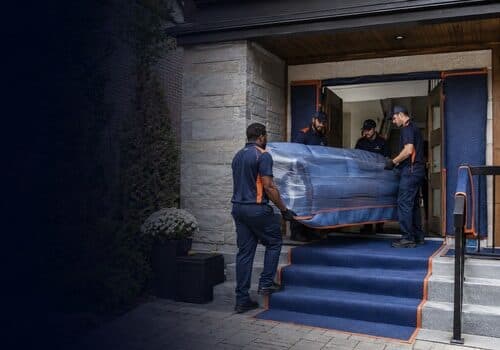
  • Furniture blankets used for suitable pieces during handling and transit For Aylmer, a short drive does not remove elevator, stair, curb, driveway or key-handover constraints. Summer construction and events in Vieux-Aylmer can affect streets and public parking.
  • Dollies selected according to item weight and the moving route For Aylmer, that point matters in the cross-river Ontario to Quebec area because origin and destination rules still come from the individual property or relevant authority; provincial location alone does not establish a universal parking, elevator or access rule. For an older property, measure stair turns and entrances; for a newer one, check construction, visitor parking and whether the road is fully accessible to the planned truck.
  • Straps used to organize and secure an appropriate vehicle load For Aylmer, the full civic address and province must be accurate in schedules, inventories and customer communications, and lockers, garages and secondary entrances can materially expand an apparently small move. French-language condominium or lease rules should be translated or summarized for the crew where necessary.
  • Protective pathway materials considered for floors and entrances For Aylmer, the walkthrough should pair this service priority: provide a complete inventory, including storage lockers, garages and outdoor contents: with a location check: customers should build reasonable travel flexibility around the cross-river segment. Customers should photograph current signs, curb conditions and building entrances, then verify any reservation process with the City or property manager.
  • State whether the address is in Vieux-Aylmer, an established suburb or a developing edge when describing access. A renter leaving an apartment for a townhouse or another rental in the cross-river Ontario to Quebec area; the page should examine how a cross-river segment and separate property instructions on each side affect the sequence. For local moving, also confirm declutter and provide a realistic inventory of every area being moved.
  • Translate or clearly summarize French condominium moving rules for every crew member who needs them. A small organization moving furniture and boxed materials between nearby sites in the cross-river Ontario to Quebec area; the page should examine whether a Quebec origin can align with the destination access window in Ottawa. For local moving, also confirm label boxes with destination rooms and any handling notes.
  • Photograph signed curb restrictions in the historic core rather than assuming storefront loading is available. A customer bringing stored belongings into a new residence in the cross-river Ontario to Quebec area; the page should examine which provincial address details and property contacts must remain visible in the working plan. For local moving, also confirm plan a separate essentials bag for the first evening.
  • Build a bridge-delay contingency into any Ottawa elevator reservation linked to an Aylmer origin. A household transferring its full inventory between two homes on the same day in the cross-river Ontario to Quebec area; the page should examine how a storage or secondary stop across the river changes the regional route. For local moving, also confirm confirm the exact origin and destination, including unit and entrance details.
  • Reconfirm access on newly built streets because construction vehicles and temporary barriers can change quickly. A renter leaving an apartment for a townhouse or another rental in the cross-river Ontario to Quebec area; the page should examine how a cross-river segment and separate property instructions on each side affect the sequence. For local moving, also confirm choose a moving window that works with keys, elevators and parking permissions.

Planning mistakes to avoid

  • Treating a local move as too simple to plan in advance For Aylmer, photograph signed curb restrictions in the historic core rather than assuming storefront loading is available. Aylmer is the western sector of Gatineau along the Ottawa River, combining the historic Vieux-Aylmer area with established suburban neighbourhoods and newer development farther from the old centre.
  • Failing to include basement, locker or garage contents For Aylmer, build a bridge-delay contingency into any Ottawa elevator reservation linked to an Aylmer origin. No item should be assumed to fit until its complete interior-to-truck route has been measured.
  • Not checking parking and elevator rules at both addresses For Aylmer, reconfirm access on newly built streets because construction vehicles and temporary barriers can change quickly. A loading zone is not automatically exclusive, and a resident permit is not a road-occupation permit.
  • Using weak or unlabelled boxes because the drive is short For Aylmer, state whether the address is in Vieux-Aylmer, an established suburb or a developing edge when describing access. Aylmer to Ottawa travel often focuses on the west-side river crossings, but the best bridge depends on the destination and real-time conditions.

Service and location gallery

Local Moving planning for Aylmer

Relevant visuals break up detailed planning guidance and show how preparation, protection and access fit together.

Free moving quote

Request a local moving quote for Aylmer

Share both addresses, the date, inventory, property types, access conditions, requested support and any special items. ProMove Ottawa will review the actual move rather than relying on a generic location rate.

Content ownership and review

Prepared and maintained by ProMove Ottawa

This local moving and Aylmer service-location guidance is reviewed against the page’s stated service scope, Ottawa-area access considerations and the information customers need to request a useful estimate. Building rules, road conditions and availability can change, so customers should confirm current details for both properties before moving day.

Editorial owner: ProMove Ottawa · Recovery review: September 20, 2026

Helpful answers

Twenty answers about local moving in Aylmer

Direct answers first, followed by at least 50 words of practical planning detail.

Browse all 100 FAQs

For Local Moving in Aylmer, the main planning question is how the service requirements meet the real truck-to-room path. Photograph signed curb restrictions in the historic core rather than assuming storefront loading is available. A move between Aylmer and Ottawa is also an interprovincial relocation that depends on bridge choice and conditions beyond the immediate neighbourhood. The intersection-specific consideration is this: label cartons by destination room and keep first-night essentials outside the moving load. For the cross-river Ontario to Quebec area, complete an inventory review before departure so exceptions are resolved at the correct address. Before confirming the moving window, customers should choose a moving window that works with keys, elevators and parking permissions They should also check applicable property, condominium, landlord or municipal parking requirements for Aylmer; arrange permission only where required. The estimate may reflect property access and walking distance, so changes to inventory, timing or access need review instead of being left until moving day.

ProMove Ottawa reviews this point as part of one connected Aylmer plan. A household transferring its full inventory between two homes on the same day in the cross-river Ontario to Quebec area; the page should examine how a storage or secondary stop across the river changes the regional route. An older dwelling may have a narrow vestibule, steep stair or addition that breaks a direct furniture path. For the requested local moving, the customer should record the walking distance from the expected truck position to each entrance in Aylmer, including gates or secondary doors. and should declutter and provide a realistic inventory of every area being moved Build a bridge-delay contingency into any Ottawa elevator reservation linked to an Aylmer origin. The review also considers optional packing or furniture preparation. This direct, property-specific approach gives the team better information for follow-up while avoiding unsupported assumptions about a neighbourhood, building, road, parking space or travel duration.

Treat the service scope and the Aylmer context as two parts of the same answer. For apartment buildings, record the elevator dimensions, booking period and distance from the loading door. A relevant intersection detail is that that review gives the crew a workable sequence with honest flexibility. The preparation should include this task: label boxes with destination rooms and any handling notes For access, customers should share current access notes, contact instructions and any time restrictions for the Aylmer stops before the move is finalized. Reconfirm access on newly built streets because construction vehicles and temporary barriers can change quickly. Because inventory volume and item weight may shape the estimate, ProMove Ottawa asks for current facts about both properties and revisits the plan when those facts change before the scheduled move.

Start with the actual Aylmer properties rather than a generic local moving assumption. Aylmer to Ottawa travel often focuses on the west-side river crossings, but the best bridge depends on the destination and real-time conditions. For local moving in the cross-river Ontario to Quebec area, crew time is often shaped more by handling, access and walking distance than by kilometres alone. The customer should plan a separate essentials bag for the first evening and should confirm whether driveway, curbside or designated loading access is available at each Aylmer address. State whether the address is in Vieux-Aylmer, an established suburb or a developing edge when describing access. ProMove Ottawa then relates those findings to crew and vehicle requirements, the requested date and the complete inventory. Report later changes promptly because even a small access or scope change can alter the sensible crew sequence.

The practical answer depends on the inventory, both addresses and the agreed local moving scope. The route and timing should allow for bridge traffic without promising one exact travel duration. For local moving, a direct load is practical only when the inventory and vehicle capacity are understood. At a Aylmer origin or destination, spring conditions along the Ottawa River may warrant checking official notices for specific low-lying properties, but river proximity alone should not be treated as proof of access risk. Customers should also measure tight stairs, doorways, hallways and elevator openings at the Aylmer properties before assigning handling methods. A useful preparation priority is to confirm the exact origin and destination, including unit and entrance details Translate or clearly summarize French condominium moving rules for every crew member who needs them. Those details allow ProMove Ottawa to review travel time and route between addresses without treating every property in Aylmer as though it presents the same route or handling conditions.

For Local Moving in Aylmer, the main planning question is how the service requirements meet the real truck-to-room path. Photograph signed curb restrictions in the historic core rather than assuming storefront loading is available. In suburban sections, driveways are more common, but garage inventory, multi-level homes and school-hour traffic can shape timing. The intersection-specific consideration is this: match key handovers and any building bookings to one realistic loading-and-delivery window. For the cross-river Ontario to Quebec area, build reasonable travel flexibility around the cross-river segment. Before confirming the moving window, customers should choose a moving window that works with keys, elevators and parking permissions They should also check applicable property, condominium, landlord or municipal parking requirements for Aylmer; arrange permission only where required. The estimate may reflect property access and walking distance, so changes to inventory, timing or access need review instead of being left until moving day.
ProMove Ottawa reviews this point as part of one connected Aylmer plan. A customer bringing stored belongings into a new residence in the cross-river Ontario to Quebec area; the page should examine which provincial address details and property contacts must remain visible in the working plan. A condo may instead have adequate doors but a distant loading area, booked elevator and storage locker on another level. For the requested local moving, the customer should record the walking distance from the expected truck position to each entrance in Aylmer, including gates or secondary doors. and should declutter and provide a realistic inventory of every area being moved Build a bridge-delay contingency into any Ottawa elevator reservation linked to an Aylmer origin. The review also considers optional packing or furniture preparation. This direct, property-specific approach gives the team better information for follow-up while avoiding unsupported assumptions about a neighbourhood, building, road, parking space or travel duration.

Treat the service scope and the Aylmer context as two parts of the same answer. Keep bicycle routes, fire access and neighbours clear. A relevant intersection detail is that the full civic address and province must be accurate in schedules, inventories and customer communications; accordingly, keys, elevators, parking permissions and the order of the two properties establish the workable sequence. The preparation should include this task: label boxes with destination rooms and any handling notes For access, customers should share current access notes, contact instructions and any time restrictions for the Aylmer stops before the move is finalized. Reconfirm access on newly built streets because construction vehicles and temporary barriers can change quickly. Because inventory volume and item weight may shape the estimate, ProMove Ottawa asks for current facts about both properties and revisits the plan when those facts change before the scheduled move.

Start with the actual Aylmer properties rather than a generic local moving assumption. Queues can develop outside conventional rush-hour assumptions, so a fixed elevator window should include a meaningful contingency. The walkthrough should pair this service priority: provide a complete inventory, including storage lockers, garages and outdoor contents: with a location check: customers should build reasonable travel flexibility around the cross-river segment. The customer should plan a separate essentials bag for the first evening and should confirm whether driveway, curbside or designated loading access is available at each Aylmer address. State whether the address is in Vieux-Aylmer, an established suburb or a developing edge when describing access. ProMove Ottawa then relates those findings to crew and vehicle requirements, the requested date and the complete inventory. Report later changes promptly because even a small access or scope change can alter the sensible crew sequence.

The practical answer depends on the inventory, both addresses and the agreed local moving scope. The estimate should separate confirmed facts from allowances and be revised if inventory or access changes. At a Aylmer origin or destination, summer construction and events in Vieux-Aylmer can affect streets and public parking. Customers should also measure tight stairs, doorways, hallways and elevator openings at the Aylmer properties before assigning handling methods. A useful preparation priority is to confirm the exact origin and destination, including unit and entrance details Translate or clearly summarize French condominium moving rules for every crew member who needs them. Those details allow ProMove Ottawa to review travel time and route between addresses without treating every property in Aylmer as though it presents the same route or handling conditions.

For Local Moving in Aylmer, the main planning question is how the service requirements meet the real truck-to-room path. Photograph signed curb restrictions in the historic core rather than assuming storefront loading is available. Near the traditional core, older buildings, tighter street geometry and active commercial frontage may constrain vehicle placement. The intersection-specific consideration is this: provide a complete inventory, including storage lockers, garages and outdoor contents. For the cross-river Ontario to Quebec area, confirm current property and municipal requirements instead of applying an Ottawa assumption. Before confirming the moving window, customers should choose a moving window that works with keys, elevators and parking permissions They should also check applicable property, condominium, landlord or municipal parking requirements for Aylmer; arrange permission only where required. The estimate may reflect property access and walking distance, so changes to inventory, timing or access need review instead of being left until moving day.

ProMove Ottawa reviews this point as part of one connected Aylmer plan. A small organization moving furniture and boxed materials between nearby sites in the cross-river Ontario to Quebec area; the page should examine whether a Quebec origin can align with the destination access window in Ottawa. Newer family homes often add basement, garage and patio contents that bedroom counts overlook. For the requested local moving, the customer should record the walking distance from the expected truck position to each entrance in Aylmer, including gates or secondary doors. and should declutter and provide a realistic inventory of every area being moved Build a bridge-delay contingency into any Ottawa elevator reservation linked to an Aylmer origin. The review also considers optional packing or furniture preparation. This direct, property-specific approach gives the team better information for follow-up while avoiding unsupported assumptions about a neighbourhood, building, road, parking space or travel duration.

Treat the service scope and the Aylmer context as two parts of the same answer. If a newer street is under construction, obtain an updated access confirmation shortly before moving day. A relevant intersection detail is that for this intersection, the inventory, both access windows and the driving plan are treated as one short-distance schedule, while a direct load is practical only when the inventory and vehicle capacity are understood. The preparation should include this task: label boxes with destination rooms and any handling notes For access, customers should share current access notes, contact instructions and any time restrictions for the Aylmer stops before the move is finalized. Reconfirm access on newly built streets because construction vehicles and temporary barriers can change quickly. Because inventory volume and item weight may shape the estimate, ProMove Ottawa asks for current facts about both properties and revisits the plan when those facts change before the scheduled move.

Start with the actual Aylmer properties rather than a generic local moving assumption. A cross-river move may also need a secondary route if construction or an incident affects the preferred crossing. The full civic address and province must be accurate in schedules, inventories and customer communications, and lockers, garages and secondary entrances can materially expand an apparently small move. The customer should plan a separate essentials bag for the first evening and should confirm whether driveway, curbside or designated loading access is available at each Aylmer address. State whether the address is in Vieux-Aylmer, an established suburb or a developing edge when describing access. ProMove Ottawa then relates those findings to crew and vehicle requirements, the requested date and the complete inventory. Report later changes promptly because even a small access or scope change can alter the sensible crew sequence.

The practical answer depends on the inventory, both addresses and the agreed local moving scope. Keys, elevators, parking permissions and the order of the two properties establish the workable sequence; a return trip for forgotten items is less efficient, making the first inventory check more important. At a Aylmer origin or destination, heat-sensitive goods should remain under customer control. Customers should also measure tight stairs, doorways, hallways and elevator openings at the Aylmer properties before assigning handling methods. A useful preparation priority is to confirm the exact origin and destination, including unit and entrance details Translate or clearly summarize French condominium moving rules for every crew member who needs them. Those details allow ProMove Ottawa to review travel time and route between addresses without treating every property in Aylmer as though it presents the same route or handling conditions.

For Local Moving in Aylmer, the main planning question is how the service requirements meet the real truck-to-room path. Photograph signed curb restrictions in the historic core rather than assuming storefront loading is available. Those settings create meaningfully different moves. The intersection-specific consideration is this: a return trip for forgotten items is less efficient, making the first inventory check more important. For local moving, the origin and destination loading positions must work within the same moving-day sequence. Before confirming the moving window, customers should choose a moving window that works with keys, elevators and parking permissions They should also check applicable property, condominium, landlord or municipal parking requirements for Aylmer; arrange permission only where required. The estimate may reflect property access and walking distance, so changes to inventory, timing or access need review instead of being left until moving day.

ProMove Ottawa reviews this point as part of one connected Aylmer plan. A renter leaving an apartment for a townhouse or another rental in the cross-river Ontario to Quebec area; the page should examine how a cross-river segment and separate property instructions on each side affect the sequence. Customers should identify the dwelling type, floor, storage location and property-management contact at both ends. For the requested local moving, the customer should record the walking distance from the expected truck position to each entrance in Aylmer, including gates or secondary doors. and should declutter and provide a realistic inventory of every area being moved Build a bridge-delay contingency into any Ottawa elevator reservation linked to an Aylmer origin. The review also considers optional packing or furniture preparation. This direct, property-specific approach gives the team better information for follow-up while avoiding unsupported assumptions about a neighbourhood, building, road, parking space or travel duration.

Treat the service scope and the Aylmer context as two parts of the same answer. Aylmer's loading plan should distinguish private driveways from public curb space. A relevant intersection detail is that these approved locations are in Quebec while ProMove’s Ottawa base is in Ontario, so the route crosses the provincial boundary and should be planned as a regional movement. The preparation should include this task: label boxes with destination rooms and any handling notes For access, customers should share current access notes, contact instructions and any time restrictions for the Aylmer stops before the move is finalized. Reconfirm access on newly built streets because construction vehicles and temporary barriers can change quickly. Because inventory volume and item weight may shape the estimate, ProMove Ottawa asks for current facts about both properties and revisits the plan when those facts change before the scheduled move.

Start with the actual Aylmer properties rather than a generic local moving assumption. For moves within Gatineau, sector roads can still be busy as traffic channels toward bridges. That point matters in the cross-river Ontario to Quebec area because origin and destination rules still come from the individual property or relevant authority; provincial location alone does not establish a universal parking, elevator or access rule. The customer should plan a separate essentials bag for the first evening and should confirm whether driveway, curbside or designated loading access is available at each Aylmer address. State whether the address is in Vieux-Aylmer, an established suburb or a developing edge when describing access. ProMove Ottawa then relates those findings to crew and vehicle requirements, the requested date and the complete inventory. Report later changes promptly because even a small access or scope change can alter the sensible crew sequence.

The practical answer depends on the inventory, both addresses and the agreed local moving scope. The estimate should separate those travel assumptions from stairs, elevators, carrying distance and requested preparation, while the schedule retains reasonable traffic flexibility. At a Aylmer origin or destination, if weather changes the selected bridge or curb plan, update both the route and building booking before dispatch. Customers should also measure tight stairs, doorways, hallways and elevator openings at the Aylmer properties before assigning handling methods. A useful preparation priority is to confirm the exact origin and destination, including unit and entrance details Translate or clearly summarize French condominium moving rules for every crew member who needs them. Those details allow ProMove Ottawa to review travel time and route between addresses without treating every property in Aylmer as though it presents the same route or handling conditions.

Call NowWhatsApp