Local Moving in Centretown by ProMove Ottawa

Residential moving · Centretown

Local Moving in Centretown With a Plan for Every Property Detail

Connect local moving requirements with Centretown property access, the route, inventory, requested preparation and moving-day timing.

Why the service and location matter together

Local Moving shaped around real Centretown moving conditions

Customers should confirm the exact entrance and building process at both addresses, not just the street frontage. Together, those facts support a calmer handoff and fewer avoidable changes. Allows related packing or labour support to follow the same schedule For local moving involving Centretown, ProMove Ottawa connects those points with the confirmed inventory, date, route and access notes before the requested scope is treated as complete.

Older furniture should be measured against stair turns, and large sectionals may need a disassembly assessment. Elevator, concierge and building access details may establish the workable time window, and room labels still matter because unloading should not become an improvised sorting exercise. Dollies selected according to item weight and the moving route A Centretown property review for local moving therefore identifies where the relevant items are located, how they leave each room and where they should be placed at the destination.

Local Moving preparation for a move involving Centretown

Local moving scenarios

Local Moving situations involving Centretown

Origin scenario

A household moving between two Ottawa neighbourhoods on the same day For Centretown, a customer bringing stored belongings into a new residence in central urban Ottawa; the page should examine how two central addresses with different booking and key arrangements can share one schedule. Customers should confirm the exact entrance and building process at both addresses, not just the street frontage.

Destination scenario

A renter moving from an apartment to a nearby townhouse For Centretown, a household transferring its full inventory between two homes on the same day in central urban Ottawa; the page should examine whether a curb-to-elevator route can remain clear through a multi-unit building. Some units have storage lockers or parking-level items that are easy to omit from an apartment inventory.

Route scenario

A customer transferring a smaller inventory to a nearby community For Centretown, a renter leaving an apartment for a townhouse or another rental in central urban Ottawa; the page should examine how street loading changes the carrying sequence at a house without a direct driveway approach. Posted restrictions, paid parking, loading areas, cycling infrastructure, construction and private entrances can affect where a truck may legally and safely stand.

Transition scenario

A local business moving equipment between two accessible Ottawa sites For Centretown, a small organization moving furniture and boxed materials between nearby sites in central urban Ottawa; the page should examine which controlled entrance and interior route apply at a mixed-use property. If one building has a fixed elevator slot, that appointment should anchor the sequence.

Moving process

A Centretown plan from scope review through placement

The sequence connects local moving requirements with the two properties and route.

01

Scope

Confirm the exact origin and destination, including unit and entrance details For Centretown, label cartons by destination room and keep first-night essentials outside the moving load. For central urban Ottawa, ask the property contact which entrance, elevator and loading process applies. Some units have storage lockers or parking-level items that are easy to omit from an apartment inventory.

02

Schedule

Choose a moving window that works with keys, elevators and parking permissions For Centretown, confirm the exact unit, entrance and preferred vehicle position at both addresses. For central urban Ottawa, record the walking route from the expected vehicle position to the unit or work area. Posted restrictions, paid parking, loading areas, cycling infrastructure, construction and private entrances can affect where a truck may legally and safely stand.

03

Prepare

Declutter and provide a realistic inventory of every area being moved For Centretown, provide a complete inventory, including storage lockers, garages and outdoor contents. For central urban Ottawa, choose a window that accounts for traffic and shared-building access without claiming guaranteed arrival. If one building has a fixed elevator slot, that appointment should anchor the sequence.

04

Protect

Label boxes with destination rooms and any handling notes For Centretown, match key handovers and any building bookings to one realistic loading-and-delivery window. For central urban Ottawa, keep hallways, lobbies and entrances clear while contents are staged. Rain requires covered staging or a rapid handoff from truck to entrance.

05

Confirm

Plan a separate essentials bag for the first evening For Centretown, label cartons by destination room and keep first-night essentials outside the moving load. For central urban Ottawa, ask the property contact which entrance, elevator and loading process applies. The neighbourhood’s active sidewalks and changing construction or traffic conditions also make a planned truck position important.

Location access

Conditions to confirm at the Centretown stop

Where front-door loading would cross a busy sidewalk, the plan should maintain a clear public path and follow any property or municipal direction. Pedestrian activity and other building users require a route that keeps common areas functional. For local moving, lockers, garages and secondary entrances can materially expand an apparently small move. Narrow residential streets and driveway access Measure tight stairs, doorways, hallways and elevator openings at the Centretown properties before assigning handling methods. Those combined Centretown access facts help determine the appropriate crew sequence and equipment for local moving at the two confirmed addresses.

  • Confirm whether either Centretown address uses shared entrances, stairs, elevators or building-specific moving windows.
  • Measure tight stairs, doorways, hallways and elevator openings at the Centretown properties before assigning handling methods.
  • Check applicable property, condominium, landlord or municipal parking requirements for Centretown; arrange permission only where required.
  • Record the walking distance from the expected truck position to each entrance in Centretown, including gates or secondary doors.
  • Share current access notes, contact instructions and any time restrictions for the Centretown stops before the move is finalized.

Service access

Conditions that matter for local moving

  • On-street parking and loading-zone availability For Centretown, pedestrian activity and other building users require a route that keeps common areas functional. For local moving, lockers, garages and secondary entrances can materially expand an apparently small move. Posted restrictions, paid parking, loading areas, cycling infrastructure, construction and private entrances can affect where a truck may legally and safely stand.
  • Condo or apartment elevator reservations For Centretown, curbside availability and the legal loading position should be confirmed rather than assumed. For local moving, the origin and destination loading positions must work within the same moving-day sequence. If one building has a fixed elevator slot, that appointment should anchor the sequence.
  • Narrow residential streets and driveway access For Centretown, elevator, concierge and building access details may establish the workable time window. For local moving, a direct load is practical only when the inventory and vehicle capacity are understood. Rain requires covered staging or a rapid handoff from truck to entrance.
  • Distance from the vehicle to the unit or house For Centretown, long interior carries through shared corridors can add handling even when travel distance is short. For local moving, room labels still matter because unloading should not become an improvised sorting exercise. The neighbourhood’s active sidewalks and changing construction or traffic conditions also make a planned truck position important.

Cost factors

What can shape a Centretown estimate

  • Inventory volume and item weight For Centretown, the estimate should separate confirmed facts from allowances and be revised if inventory or access changes. If one building has a fixed elevator slot, that appointment should anchor the sequence.
  • Crew and vehicle requirements For Centretown, for local moving in central urban Ottawa, crew time is often shaped more by handling, access and walking distance than by kilometres alone. Rain requires covered staging or a rapid handoff from truck to entrance.
  • Travel time and route between addresses For Centretown, urban travel distance can be modest while curb access, elevator waits and long indoor carries extend labour. The neighbourhood’s active sidewalks and changing construction or traffic conditions also make a planned truck position important.
  • Property access and walking distance For Centretown, timing is strongest when property bookings and parking arrangements are confirmed before the crew schedule is finalized. Older furniture should be measured against stair turns, and large sectionals may need a disassembly assessment.
  • Optional packing or furniture preparation For Centretown, keys, elevators, parking permissions and the order of the two properties establish the workable sequence; long interior carries through shared corridors can add handling even when travel distance is short. Customers should photograph current signs, discuss the service entrance with management and check the City’s current process if temporary parking consideration appears necessary.

Timing factors

Plan the date, access windows and route together

Weekday commuting, deliveries, events and road work can alter conditions, but the safest approach is to check live information rather than claim a permanently busy period. Keys, elevators, parking permissions and the order of the two properties establish the workable sequence; long interior carries through shared corridors can add handling even when travel distance is short. Property access and walking distance For local moving involving Centretown, the estimate and schedule review route timing, possession or building windows, extra stops and requested preparation as connected factors.

Customers should monitor official notices, confirm a legal alternative and ensure that privately controlled steps and walks are cleared. In warmer weather, identify priority items and keep water, medication and temperature-sensitive belongings under customer control. Label cartons by destination room and keep first-night essentials outside the moving load. For central urban Ottawa, ask the property contact which entrance, elevator and loading process applies. Short travel distance does not remove access or packing complexity ProMove Ottawa reviews current Centretown conditions close to the scheduled local moving date and asks customers to report changes affecting access, safety or readiness.

  • For a winter move in Centretown, keep entrances, steps and the working path cleared and monitor the forecast close to moving day.
  • During wet or thaw conditions in Centretown, plan floor protection and keep cartons away from exposed ground while loading.
  • In warmer weather, identify priority items and keep water, medication and temperature-sensitive belongings under customer control.
  • Allow a practical route and traffic buffer for the confirmed Centretown addresses rather than assuming travel time from distance alone.

Protection plan

Coordinate item protection with property protection

  • Furniture blankets used for suitable pieces during handling and transit For Centretown, the walkthrough should pair this service priority: confirm the exact unit, entrance and preferred vehicle position at both addresses: with a location check: customers should record the walking route from the expected vehicle position to the unit or work area. Rain requires covered staging or a rapid handoff from truck to entrance.
  • Dollies selected according to item weight and the moving route For Centretown, the route from vehicle to room may involve street loading, a lobby, a booked elevator or several controlled doors rather than a direct driveway approach. The neighbourhood’s active sidewalks and changing construction or traffic conditions also make a planned truck position important.
  • Straps used to organize and secure an appropriate vehicle load For Centretown, for local moving, this means a short drive does not remove elevator, stair, curb, driveway or key-handover constraints. Older furniture should be measured against stair turns, and large sectionals may need a disassembly assessment.
  • Protective pathway materials considered for floors and entrances For Centretown, elevator, concierge and building access details may establish the workable time window, and room labels still matter because unloading should not become an improvised sorting exercise. Customers should photograph current signs, discuss the service entrance with management and check the City’s current process if temporary parking consideration appears necessary.
  • Reserve the service elevator and collect written move rules before selecting a Centretown start time. A customer bringing stored belongings into a new residence in central urban Ottawa; the page should examine how two central addresses with different booking and key arrangements can share one schedule. For local moving, also confirm plan a separate essentials bag for the first evening.
  • Count storage lockers, balconies, bicycles and parking-level items as part of the main inventory. A household transferring its full inventory between two homes on the same day in central urban Ottawa; the page should examine whether a curb-to-elevator route can remain clear through a multi-unit building. For local moving, also confirm confirm the exact origin and destination, including unit and entrance details.
  • Photograph signs at the intended curb position shortly before the move and verify any required City process. A renter leaving an apartment for a townhouse or another rental in central urban Ottawa; the page should examine how street loading changes the carrying sequence at a house without a direct driveway approach. For local moving, also confirm choose a moving window that works with keys, elevators and parking permissions.
  • Protect the public sidewalk and building common areas while maintaining an unobstructed pedestrian route. A small organization moving furniture and boxed materials between nearby sites in central urban Ottawa; the page should examine which controlled entrance and interior route apply at a mixed-use property. For local moving, also confirm declutter and provide a realistic inventory of every area being moved.
  • Leave time between the predicted finish and key returns, inspections or cleaning appointments. A customer bringing stored belongings into a new residence in central urban Ottawa; the page should examine how two central addresses with different booking and key arrangements can share one schedule. For local moving, also confirm label boxes with destination rooms and any handling notes.

Planning mistakes to avoid

  • Treating a local move as too simple to plan in advance For Centretown, leave time between the predicted finish and key returns, inspections or cleaning appointments. Customers should confirm the exact entrance and building process at both addresses, not just the street frontage.
  • Failing to include basement, locker or garage contents For Centretown, reserve the service elevator and collect written move rules before selecting a Centretown start time. Some units have storage lockers or parking-level items that are easy to omit from an apartment inventory.
  • Not checking parking and elevator rules at both addresses For Centretown, count storage lockers, balconies, bicycles and parking-level items as part of the main inventory. Posted restrictions, paid parking, loading areas, cycling infrastructure, construction and private entrances can affect where a truck may legally and safely stand.
  • Using weak or unlabelled boxes because the drive is short For Centretown, photograph signs at the intended curb position shortly before the move and verify any required City process. If one building has a fixed elevator slot, that appointment should anchor the sequence.

Service and location gallery

Local Moving planning for Centretown

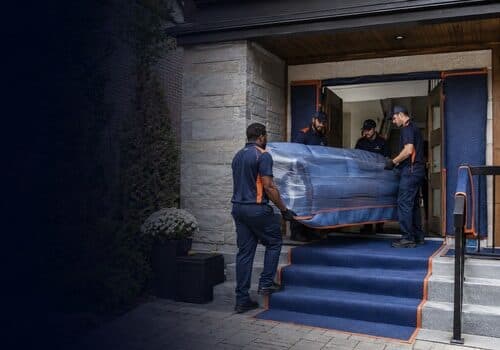
Relevant visuals break up detailed planning guidance and show how preparation, protection and access fit together.

Free moving quote

Request a local moving quote for Centretown

Share both addresses, the date, inventory, property types, access conditions, requested support and any special items. ProMove Ottawa will review the actual move rather than relying on a generic location rate.

Content ownership and review

Prepared and maintained by ProMove Ottawa

This local moving and Centretown service-location guidance is reviewed against the page’s stated service scope, Ottawa-area access considerations and the information customers need to request a useful estimate. Building rules, road conditions and availability can change, so customers should confirm current details for both properties before moving day.

Editorial owner: ProMove Ottawa · Recovery review: September 20, 2026

Helpful answers

Twenty answers about local moving in Centretown

Direct answers first, followed by at least 50 words of practical planning detail.

Browse all 100 FAQs

Start with the actual Centretown properties rather than a generic local moving assumption. Centretown is a dense, mixed urban neighbourhood immediately south of Ottawa’s downtown business core, with residential streets, commercial main streets, offices and institutional uses close together. A small organization moving furniture and boxed materials between nearby sites in central urban Ottawa; the page should examine which controlled entrance and interior route apply at a mixed-use property. The customer should choose a moving window that works with keys, elevators and parking permissions and should check applicable property, condominium, landlord or municipal parking requirements for Centretown; arrange permission only where required. Photograph signs at the intended curb position shortly before the move and verify any required City process. ProMove Ottawa then relates those findings to property access and walking distance, the requested date and the complete inventory. Report later changes promptly because even a small access or scope change can alter the sensible crew sequence.

The practical answer depends on the inventory, both addresses and the agreed local moving scope. Curbside availability and the legal loading position should be confirmed rather than assumed; accordingly, keys, elevators, parking permissions and the order of the two properties establish the workable sequence. At a Centretown origin or destination, older furniture should be measured against stair turns, and large sectionals may need a disassembly assessment. Customers should also record the walking distance from the expected truck position to each entrance in Centretown, including gates or secondary doors. A useful preparation priority is to declutter and provide a realistic inventory of every area being moved Protect the public sidewalk and building common areas while maintaining an unobstructed pedestrian route. Those details allow ProMove Ottawa to review optional packing or furniture preparation without treating every property in Centretown as though it presents the same route or handling conditions.

For Local Moving in Centretown, the main planning question is how the service requirements meet the real truck-to-room path. Leave time between the predicted finish and key returns, inspections or cleaning appointments. Curbside space in Centretown is neither uniform nor guaranteed. The intersection-specific consideration is this: the walkthrough should pair this service priority: confirm the exact unit, entrance and preferred vehicle position at both addresses: with a location check: customers should record the walking route from the expected vehicle position to the unit or work area. Before confirming the moving window, customers should label boxes with destination rooms and any handling notes They should also share current access notes, contact instructions and any time restrictions for the Centretown stops before the move is finalized. The estimate may reflect inventory volume and item weight, so changes to inventory, timing or access need review instead of being left until moving day.

ProMove Ottawa reviews this point as part of one connected Centretown plan. The estimate should separate confirmed facts from allowances and be revised if inventory or access changes. Weekday commuting, deliveries, events and road work can alter conditions, but the safest approach is to check live information rather than claim a permanently busy period. For the requested local moving, the customer should confirm whether either Centretown address uses shared entrances, stairs, elevators or building-specific moving windows. and should plan a separate essentials bag for the first evening Reserve the service elevator and collect written move rules before selecting a Centretown start time. The review also considers crew and vehicle requirements. This direct, property-specific approach gives the team better information for follow-up while avoiding unsupported assumptions about a neighbourhood, building, road, parking space or travel duration.

Treat the service scope and the Centretown context as two parts of the same answer. In summer, a warm elevator or parked vehicle can affect plants, medication and electronics, which should remain under customer direction. A relevant intersection detail is that confirm the exact unit, entrance and preferred vehicle position at both addresses. For central urban Ottawa, record the walking route from the expected vehicle position to the unit or work area. The preparation should include this task: confirm the exact origin and destination, including unit and entrance details For access, customers should measure tight stairs, doorways, hallways and elevator openings at the Centretown properties before assigning handling methods. Count storage lockers, balconies, bicycles and parking-level items as part of the main inventory. Because travel time and route between addresses may shape the estimate, ProMove Ottawa asks for current facts about both properties and revisits the plan when those facts change before the scheduled move.

Start with the actual Centretown properties rather than a generic local moving assumption. Customers should confirm the exact entrance and building process at both addresses, not just the street frontage. A renter leaving an apartment for a townhouse or another rental in central urban Ottawa; the page should examine how street loading changes the carrying sequence at a house without a direct driveway approach. The customer should choose a moving window that works with keys, elevators and parking permissions and should check applicable property, condominium, landlord or municipal parking requirements for Centretown; arrange permission only where required. Photograph signs at the intended curb position shortly before the move and verify any required City process. ProMove Ottawa then relates those findings to property access and walking distance, the requested date and the complete inventory. Report later changes promptly because even a small access or scope change can alter the sensible crew sequence.

The practical answer depends on the inventory, both addresses and the agreed local moving scope. For this intersection, the inventory, both access windows and the driving plan are treated as one short-distance schedule, while the origin and destination loading positions must work within the same moving-day sequence. At a Centretown origin or destination, centretown’s property mix makes a detailed pre-move survey valuable. Customers should also record the walking distance from the expected truck position to each entrance in Centretown, including gates or secondary doors. A useful preparation priority is to declutter and provide a realistic inventory of every area being moved Protect the public sidewalk and building common areas while maintaining an unobstructed pedestrian route. Those details allow ProMove Ottawa to review optional packing or furniture preparation without treating every property in Centretown as though it presents the same route or handling conditions.

For Local Moving in Centretown, the main planning question is how the service requirements meet the real truck-to-room path. Leave time between the predicted finish and key returns, inspections or cleaning appointments. An empty space is not permission. The intersection-specific consideration is this: elevator, concierge and building access details may establish the workable time window, and room labels still matter because unloading should not become an improvised sorting exercise. Before confirming the moving window, customers should label boxes with destination rooms and any handling notes They should also share current access notes, contact instructions and any time restrictions for the Centretown stops before the move is finalized. The estimate may reflect inventory volume and item weight, so changes to inventory, timing or access need review instead of being left until moving day.

ProMove Ottawa reviews this point as part of one connected Centretown plan. Keys, elevators, parking permissions and the order of the two properties establish the workable sequence; long interior carries through shared corridors can add handling even when travel distance is short. Weekday commuting, deliveries, events and road work can alter conditions, but the safest approach is to check live information rather than claim a permanently busy period. For the requested local moving, the customer should confirm whether either Centretown address uses shared entrances, stairs, elevators or building-specific moving windows. and should plan a separate essentials bag for the first evening Reserve the service elevator and collect written move rules before selecting a Centretown start time. The review also considers crew and vehicle requirements. This direct, property-specific approach gives the team better information for follow-up while avoiding unsupported assumptions about a neighbourhood, building, road, parking space or travel duration.

Treat the service scope and the Centretown context as two parts of the same answer. In summer, a warm elevator or parked vehicle can affect plants, medication and electronics, which should remain under customer direction. A relevant intersection detail is that pedestrian activity and other building users require a route that keeps common areas functional. For local moving, lockers, garages and secondary entrances can materially expand an apparently small move. The preparation should include this task: confirm the exact origin and destination, including unit and entrance details For access, customers should measure tight stairs, doorways, hallways and elevator openings at the Centretown properties before assigning handling methods. Count storage lockers, balconies, bicycles and parking-level items as part of the main inventory. Because travel time and route between addresses may shape the estimate, ProMove Ottawa asks for current facts about both properties and revisits the plan when those facts change before the scheduled move.
Start with the actual Centretown properties rather than a generic local moving assumption. Centretown is a dense, mixed urban neighbourhood immediately south of Ottawa’s downtown business core, with residential streets, commercial main streets, offices and institutional uses close together. A household transferring its full inventory between two homes on the same day in central urban Ottawa; the page should examine whether a curb-to-elevator route can remain clear through a multi-unit building. The customer should choose a moving window that works with keys, elevators and parking permissions and should check applicable property, condominium, landlord or municipal parking requirements for Centretown; arrange permission only where required. Photograph signs at the intended curb position shortly before the move and verify any required City process. ProMove Ottawa then relates those findings to property access and walking distance, the requested date and the complete inventory. Report later changes promptly because even a small access or scope change can alter the sensible crew sequence.

The practical answer depends on the inventory, both addresses and the agreed local moving scope. Central urban addresses can include apartments, condominiums, commercial buildings and houses sharing constrained curb space, corridors or entrances. At a Centretown origin or destination, older furniture should be measured against stair turns, and large sectionals may need a disassembly assessment. Customers should also record the walking distance from the expected truck position to each entrance in Centretown, including gates or secondary doors. A useful preparation priority is to declutter and provide a realistic inventory of every area being moved Protect the public sidewalk and building common areas while maintaining an unobstructed pedestrian route. Those details allow ProMove Ottawa to review optional packing or furniture preparation without treating every property in Centretown as though it presents the same route or handling conditions.

For Local Moving in Centretown, the main planning question is how the service requirements meet the real truck-to-room path. Leave time between the predicted finish and key returns, inspections or cleaning appointments. Curbside space in Centretown is neither uniform nor guaranteed. The intersection-specific consideration is this: for local moving, this means a short drive does not remove elevator, stair, curb, driveway or key-handover constraints. Before confirming the moving window, customers should label boxes with destination rooms and any handling notes They should also share current access notes, contact instructions and any time restrictions for the Centretown stops before the move is finalized. The estimate may reflect inventory volume and item weight, so changes to inventory, timing or access need review instead of being left until moving day.

ProMove Ottawa reviews this point as part of one connected Centretown plan. Timing is strongest when property bookings and parking arrangements are confirmed before the crew schedule is finalized. Weekday commuting, deliveries, events and road work can alter conditions, but the safest approach is to check live information rather than claim a permanently busy period. For the requested local moving, the customer should confirm whether either Centretown address uses shared entrances, stairs, elevators or building-specific moving windows. and should plan a separate essentials bag for the first evening Reserve the service elevator and collect written move rules before selecting a Centretown start time. The review also considers crew and vehicle requirements. This direct, property-specific approach gives the team better information for follow-up while avoiding unsupported assumptions about a neighbourhood, building, road, parking space or travel duration.

Treat the service scope and the Centretown context as two parts of the same answer. In summer, a warm elevator or parked vehicle can affect plants, medication and electronics, which should remain under customer direction. A relevant intersection detail is that long interior carries through shared corridors can add handling even when travel distance is short. For local moving, room labels still matter because unloading should not become an improvised sorting exercise. The preparation should include this task: confirm the exact origin and destination, including unit and entrance details For access, customers should measure tight stairs, doorways, hallways and elevator openings at the Centretown properties before assigning handling methods. Count storage lockers, balconies, bicycles and parking-level items as part of the main inventory. Because travel time and route between addresses may shape the estimate, ProMove Ottawa asks for current facts about both properties and revisits the plan when those facts change before the scheduled move.

Start with the actual Centretown properties rather than a generic local moving assumption. Customers should confirm the exact entrance and building process at both addresses, not just the street frontage. Label cartons by destination room and keep first-night essentials outside the moving load. For central urban Ottawa, ask the property contact which entrance, elevator and loading process applies. The customer should choose a moving window that works with keys, elevators and parking permissions and should check applicable property, condominium, landlord or municipal parking requirements for Centretown; arrange permission only where required. Photograph signs at the intended curb position shortly before the move and verify any required City process. ProMove Ottawa then relates those findings to property access and walking distance, the requested date and the complete inventory. Report later changes promptly because even a small access or scope change can alter the sensible crew sequence.

The practical answer depends on the inventory, both addresses and the agreed local moving scope. For local moving in central urban Ottawa, the decisive issue is coordination, not a generic distance or room-count assumption. At a Centretown origin or destination, centretown’s property mix makes a detailed pre-move survey valuable. Customers should also record the walking distance from the expected truck position to each entrance in Centretown, including gates or secondary doors. A useful preparation priority is to declutter and provide a realistic inventory of every area being moved Protect the public sidewalk and building common areas while maintaining an unobstructed pedestrian route. Those details allow ProMove Ottawa to review optional packing or furniture preparation without treating every property in Centretown as though it presents the same route or handling conditions.

For Local Moving in Centretown, the main planning question is how the service requirements meet the real truck-to-room path. Leave time between the predicted finish and key returns, inspections or cleaning appointments. An empty space is not permission. The intersection-specific consideration is this: the route from vehicle to room may involve street loading, a lobby, a booked elevator or several controlled doors rather than a direct driveway approach. Before confirming the moving window, customers should label boxes with destination rooms and any handling notes They should also share current access notes, contact instructions and any time restrictions for the Centretown stops before the move is finalized. The estimate may reflect inventory volume and item weight, so changes to inventory, timing or access need review instead of being left until moving day.

ProMove Ottawa reviews this point as part of one connected Centretown plan. Urban travel distance can be modest while curb access, elevator waits and long indoor carries extend labour. Weekday commuting, deliveries, events and road work can alter conditions, but the safest approach is to check live information rather than claim a permanently busy period. For the requested local moving, the customer should confirm whether either Centretown address uses shared entrances, stairs, elevators or building-specific moving windows. and should plan a separate essentials bag for the first evening Reserve the service elevator and collect written move rules before selecting a Centretown start time. The review also considers crew and vehicle requirements. This direct, property-specific approach gives the team better information for follow-up while avoiding unsupported assumptions about a neighbourhood, building, road, parking space or travel duration.

Treat the service scope and the Centretown context as two parts of the same answer. In summer, a warm elevator or parked vehicle can affect plants, medication and electronics, which should remain under customer direction. A relevant intersection detail is that elevator, concierge and building access details may establish the workable time window. For local moving, a direct load is practical only when the inventory and vehicle capacity are understood. The preparation should include this task: confirm the exact origin and destination, including unit and entrance details For access, customers should measure tight stairs, doorways, hallways and elevator openings at the Centretown properties before assigning handling methods. Count storage lockers, balconies, bicycles and parking-level items as part of the main inventory. Because travel time and route between addresses may shape the estimate, ProMove Ottawa asks for current facts about both properties and revisits the plan when those facts change before the scheduled move.

Call NowWhatsApp