
Origin scenario
A household arriving in the Ottawa region from a distant origin in Ottawa suburban residential areas; the page should examine whether garage and basement contents are represented in the inventory and vehicle plan.
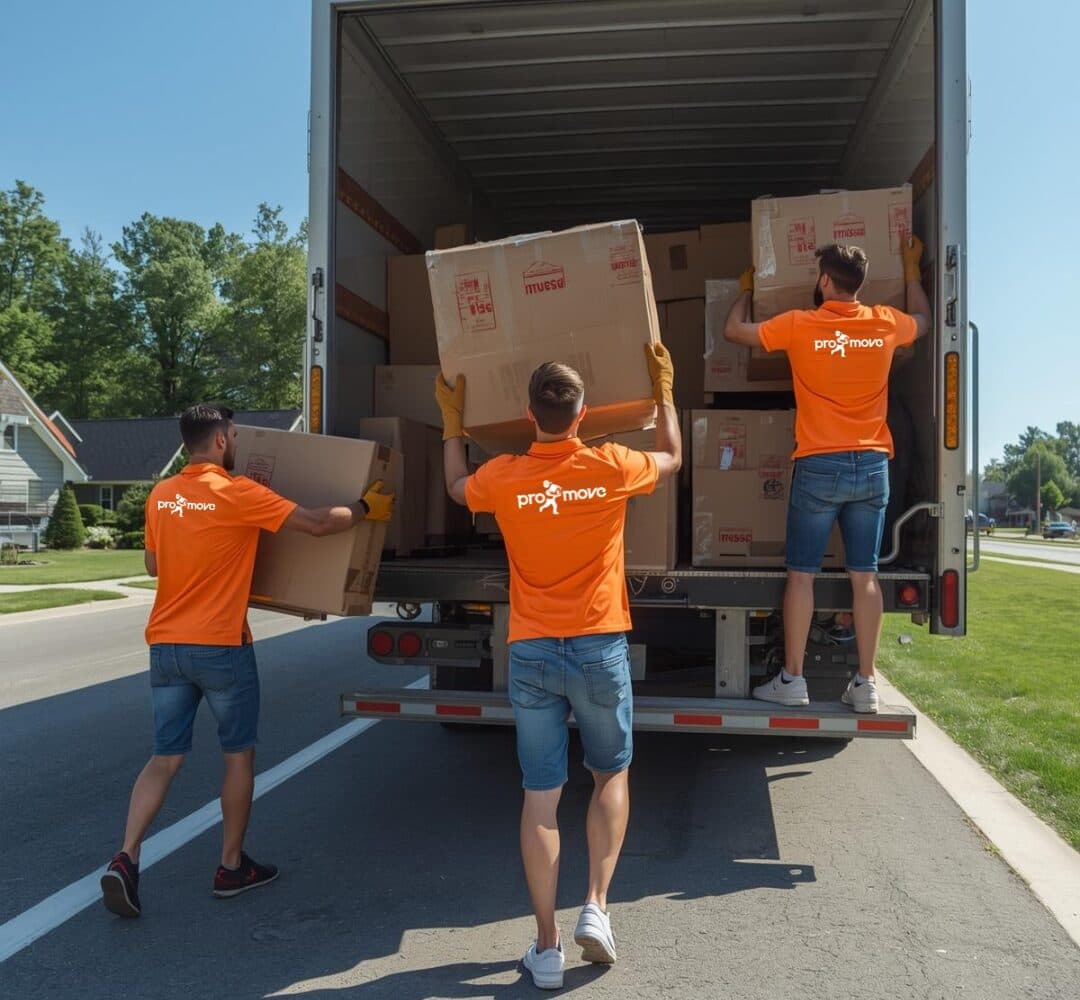
Residential moving · Bridlewood
Connect long-distance moving requirements with Bridlewood property access, the route, inventory, requested preparation and moving-day timing.
Scope, access and next steps
Coordinated relocations beyond Ottawa with clear planning and delivery steps. Share both addresses, the preferred date and the work you need. Availability and item suitability must be confirmed before booking.
| Requested work | Households and organizations leaving Ottawa or relocating to the Ottawa region when the greater distance requires careful scheduling, inventory control and arrival planning. |
|---|---|
| Quote inputs | Distance and travel time; Shipment size and vehicle space required; Origin and destination access; Packing and specialty-item preparation; Scheduling, delivery window and any storage transition |
| Access to check | Parking and entrance conditions at a less familiar destination; Building booking windows that must align with arrival; Road or driveway suitability for the planned vehicle; Potential distance between loading areas and interior rooms |
| Confirmation | A form submission is an enquiry. Obtain explicit written confirmation of the scope and date before treating the move as booked. |
These are planning checks, not confirmation of permission at a particular property. Check the relevant authority or building manager for current requirements.
Why the service and location matter together
Bridlewood is a residential community in Kanata South, associated with the Eagleson Road corridor and neighbourhood streets extending around Stonehaven Drive and Bridgestone Drive. The Bridlewood Community Association also serves nearby Emerald Meadows and Monahan Landing, so customers should provide the precise address rather than use the association's wider territory as a routing label. The housing context is suburban and mainly ground-oriented, yet it can include detached homes, townhouses, condominiums and newer development at the community's edges. A family move may involve several floors, garage storage and children's equipment; a downsizing move may require sorting before packing. Eagleson offers regional orientation, while the last approach through curved or residential streets determines the loading setup. Confirm driveway length, frontage, interior stairs and any private-road or property-management rules during the estimate. The right starting point for long-distance moving in Ottawa suburban residential areas is an address-specific review rather than an area-wide shortcut. Suburban residential areas commonly present a varied mix of houses, townhouses, condominiums and apartments, even when the surrounding streets appear primarily residential. For this intersection, the shipment inventory, origin work, travel interval and destination arrival are controlled as one documented timeline, while extended transport calls for deliberate load order, padding and restraint. Check elevator or loading reservations for any multi-unit property; accordingly, the schedule must allow for loading, road conditions, required breaks and an achievable destination access window. Together, those facts support a calmer handoff and fewer avoidable changes.
Detached Bridlewood homes can hold inventory across upper bedrooms, basements, garages and yards. Townhouses concentrate the work in tighter staircases and may have short driveways once a vehicle is parked. Condominium or rental properties can impose common-entry and parking procedures. Build the inventory by floor and include patio furniture, barbecues only when safely prepared, sports gear and shelving. Measure sectional sofas and king-bed components against landings at both homes. If the destination is in a newer extension near Fernbank or Hope Side, verify possession, completed access and the correct civic address. The homeowner should identify fixtures or railings that cannot be removed; the mover should never assume alteration is permitted. A building type alone does not settle the plan. Driveways and curb access may simplify one address, while multi-level interiors, compact townhouse entries or shared-building procedures add handling at another, and for long-distance moving, an unresolved access issue at either end becomes more consequential once the vehicle has left the other address. Check elevator or loading reservations for any multi-unit property, and documents, medication and first-night needs should travel separately with the customer. The walkthrough should pair this service priority: choose packing methods that suit extended transport rather than a short neighbourhood trip: with a location check: customers should confirm property contacts or permissions only where the specific address requires them.

Local moving scenarios
A household arriving in the Ottawa region from a distant origin in Ottawa suburban residential areas; the page should examine whether garage and basement contents are represented in the inventory and vehicle plan.
An organization transferring workplace contents to another municipality in Ottawa suburban residential areas; the page should examine which building booking and loading arrangements apply at a condominium or apartment.
A move whose possession dates require an overnight or storage transition in Ottawa suburban residential areas; the page should examine how a driveway origin and multi-unit destination require different handling stages.
A family leaving the Ottawa region for another Ontario community in Ottawa suburban residential areas; the page should examine how several internal levels and compact stair turns affect a townhouse route.
Location access
A driveway is generally the simplest loading point, but only after household vehicles are moved and the sidewalk, neighbour's frontage and hydrants remain clear. Townhouse lanes and shared courts need special review for visitor spaces, snow storage, turns and fire routes. Eagleson Road and other busy corridors are travel routes unless a property has an expressly authorized service area. At managed properties, obtain the contact, move window and entrance instructions. New-development construction access is not public moving access. Photograph the approach in both directions, exterior steps and the narrowest indoor turn. If curb space is required, comply with Ottawa's current restrictions; cones or parked cars do not create a legal reservation.
Service access
Moving process
The sequence connects long-distance moving requirements with the two properties and route.
Confirm origin, destination and any flexibility around loading and delivery dates
Create a detailed inventory with special attention to fragile and essential items
Verify which belongings should travel separately with the customer
Confirm destination parking, keys and building access before departure
Prepare contact details and a contingency plan for timing changes
Confirm destination keys, contact instructions and access before the vehicle departs. For Ottawa suburban residential areas, label cartons by destination level as well as room when the new home has several floors.
Choose packing methods that suit extended transport rather than a short neighbourhood trip. For Ottawa suburban residential areas, confirm property contacts or permissions only where the specific address requires them.
Document a reasonable communication and timing plan for weather, traffic or route changes. For Ottawa suburban residential areas, match each address to its house, townhouse or multi-unit access pattern.
Build a detailed inventory and identify fragile, high-priority and unusually shaped belongings. For Ottawa suburban residential areas, clear steps, walkways and the intended vehicle approach before the crew window.
Cost factors
Timing factors
Eagleson Road, Stonehaven Drive, Terry Fox Drive, Fernbank Road and Hope Side Road may be relevant depending on the specific Bridlewood address. The completed Kanata South Link changed connections toward West Hunt Club and Old Richmond Road, but the best route still depends on current construction, vehicle size and destination. Commuter periods on Eagleson and school activity on local streets deserve a practical buffer. A move to Stittsville may use a different cross-town approach from one heading to central Ottawa. Check live conditions shortly before dispatch and provide a primary route plus a reviewed alternative. Do not send a truck through an unfamiliar residential lane simply because navigation predicts a small time saving. For long-distance moving in Ottawa suburban residential areas, distance, travel time, shipment volume and vehicle space interact with handling conditions at both properties. Suburban access is not automatically simple. Inventory volume, garage or basement contents, stair levels, elevator bookings and walking distance can matter more than the neighbourhood drive, so the quote should use property-specific facts. The schedule must allow for loading, road conditions, required breaks and an achievable destination access window; confirm whether the vehicle can use the driveway or must remain at a safe curb position. The estimate should separate confirmed facts from allowances and be revised if inventory or access changes.
Snowbanks can shorten Bridlewood driveways and narrow townhouse courts, so verify that the assigned truck can stand and leave safely after plowing. Clear steps, the full furniture path and any gate. Spring thaw makes lawn edges and unpaved construction shoulders unreliable. Summer moves with several floors need planned breaks and fast placement of heat-sensitive belongings. In autumn, wet leaves make exterior stairs slippery and earlier darkness complicates house-number visibility. If a new phase or road project was incomplete when the estimate was prepared, obtain updated access photos during the week of the move.
Protection plan
Service and location gallery
Relevant visuals break up detailed planning guidance and show how preparation, protection and access fit together.


Free moving quote
Share both addresses, the date, inventory, property types, access conditions, requested support and any special items. ProMove Ottawa will review the actual move rather than relying on a generic location rate.
About this page
Use this long-distance moving and Bridlewood service-location information to prepare an enquiry. Confirm current building rules, access and service availability for the two actual properties. General planning information is not a survey of a particular address or confirmation that a task has been accepted.
Page content updated September 20, 2026. About ProMove OttawaHelpful answers
Answers to scope, access, preparation and booking questions.
Coordinated relocations beyond Ottawa with clear planning and delivery steps. Households and organizations leaving Ottawa or relocating to the Ottawa region when the greater distance requires careful scheduling, inventory control and arrival planning. Ask for the requested tasks to be listed separately in the written scope. Packing, dismantling, storage stops and specialist work should not be assumed to be included merely because a moving service has been selected.
A family relocating from Ottawa to another Ontario community A household moving into Ottawa from a distant origin with a firm possession date A customer coordinating a move with an overnight gap between loading and delivery An organization transferring furniture and work materials to another region These are examples for discussing the work, not confirmation that a particular item or property can be accepted. Send the relevant inventory and access information so suitability can be assessed before a booking is agreed.
Provide both addresses, the requested date, an itemized inventory, property types and access photographs. For this service the estimate inputs include: Distance and travel time; Shipment size and vehicle space required; Origin and destination access; Packing and specialty-item preparation; Scheduling, delivery window and any storage transition. Separate confirmed facts from provisional dates or quantities; report any changes before relying on an earlier estimate.
Enquire when your likely move date and addresses are known. If possession or a building booking is provisional, say so rather than treating it as confirmed. Availability must be checked for the actual date, service and access window; an enquiry or submitted form does not reserve a crew.
A driveway is generally the simplest loading point, but only after household vehicles are moved and the sidewalk, neighbour's frontage and hydrants remain clear. Townhouse lanes and shared courts need special review for visitor spaces, snow storage, turns and fire routes. Eagleson Road and other busy corridors are travel routes unless a property has an expressly authorized service area. At managed properties, obtain the contact, move window and entrance instructions. New-development construction access is not public moving access. Photograph the approach in both directions, exterior steps and the narrowest indoor turn. If curb space is required, comply with Ottawa's current restrictions; cones or parked cars do not create a legal reservation. Record pickup and destination separately, including floor, interior and exterior stairs, elevator restrictions, entrance measurements and carrying distance. Access that works at one end does not establish that the same item will fit at the other.
Confirm origin, destination and any flexibility around loading and delivery dates Create a detailed inventory with special attention to fragile and essential items Verify which belongings should travel separately with the customer Confirm destination parking, keys and building access before departure Prepare contact details and a contingency plan for timing changes Keep the preparation checklist with the confirmed inventory. Identify which tasks you will complete and which require a separately agreed service; do not disconnect, dismantle or move specialist equipment unless the responsible provider has confirmed how it should be handled.
For this service, check: Parking and entrance conditions at a less familiar destination; Building booking windows that must align with arrival; Road or driveway suitability for the planned vehicle; Potential distance between loading areas and interior rooms. Measure the narrowest point, not just the front door. Photograph stair turns, landings and the route to the final room, and identify fixed obstructions. If an item may not fit, request an access assessment before anyone attempts to move it.
No. A nearby public space is not a reserved moving bay. Confirm whether driveway, curbside or designated loading access is available at each Bridlewood address. Check current posted restrictions and ask the property manager or relevant authority about required arrangements. Keep a workable alternative if the intended space cannot be used.
Protection is selected for the item and the route. The planning considerations are: Suitable furniture padding prepared for extended road transport Load-securing straps arranged to limit shifting during travel Clearly labelled boxes organized by room and handling need Appropriate dollies used for loading and destination access conditions Ask what preparation is required before arrival and which materials or tasks are included. Photograph existing condition where useful; protective materials are not a substitute for confirming handling suitability or written liability terms.
Describe the rooms, item categories and quantity of packing or unpacking you need. Identify fragile, high-value and owner-packed items, and ask for materials, preparation dates and responsibilities to be confirmed in the quote. Adding packing changes the work; it should not be left as an assumption on moving day.
Keep identification, keys, medication, valuables, payment cards, essential documents and immediately needed personal items under your own control. Make a separate essentials bag and clearly mark items that must not be loaded. Confirm any restricted goods with the provider; ordinary moving scope should not imply acceptance of dangerous or regulated items.
Snowbanks can shorten Bridlewood driveways and narrow townhouse courts, so verify that the assigned truck can stand and leave safely after plowing. Clear steps, the full furniture path and any gate. Spring thaw makes lawn edges and unpaved construction shoulders unreliable. Summer moves with several floors need planned breaks and fast placement of heat-sensitive belongings. In autumn, wet leaves make exterior stairs slippery and earlier darkness complicates house-number visibility. If a new phase or road project was incomplete when the estimate was prepared, obtain updated access photos during the week of the move. Report access changes before arrival. A schedule should be reassessed when actual conditions make handling unsafe.
Send the changed list, dimensions or photographs before moving day and ask whether the written scope, time or price needs revision. For long-distance moving, a change can affect distance and travel time as well as handling and access. Keep the revised instruction with the original estimate so both parties work from the same information.
List every stop before requesting the estimate, including access hours, unit or receiving details and the inventory to be loaded or unloaded there. Storage arrangements, facility access and transport are separate questions. Do not assume storage is supplied or reserved unless the written scope explicitly confirms it.
Disclose the item's type, dimensions, estimated weight, condition and access at both ends. Relevant challenges include: Longer travel makes weak packing and poor load organization more consequential A destination access problem may be harder to resolve at arrival Weather, road conditions and traffic can influence timing Missing items from the inventory can affect space and scheduling assumptions The assessment may identify a need for different equipment, a specialist or an alternative route. Do not treat a service description as automatic acceptance of every item.
Packing as though the move were a short local trip Leaving destination access checks until the vehicle arrives Failing to keep documents and first-night necessities separately Planning around one exact arrival time without reasonable flexibility Resolve uncertain items before scheduling the affected task. Use photographs and written building instructions where they can answer a specific question, and keep one current version of the inventory and access notes rather than conflicting instructions across several conversations.
Walk through the agreed inventory, no-load items, access route and destination labels with the responsible contact. Point out existing damage or fragile components before handling starts. If actual conditions differ from the estimate, clarify the affected work before proceeding. Finish with a placement and remaining-items check rather than assuming an empty room means the whole scope is complete.
Provide the complete origin and destination so route suitability, availability and delivery arrangements can be assessed. This page describes a service involving Bridlewood; it does not establish a fixed travel time or automatic coverage of every destination. Ask for any additional stops and delivery constraints to be recorded in the same scope.
No. Submitting an enquiry asks the team to review the requested work. Wait for explicit written confirmation of the accepted service, date, access arrangements and applicable terms before treating the move as booked. If anything is still provisional, identify it clearly and agree who will resolve it.
Use the quote form or call ProMove Ottawa with the two addresses, preferred date, inventory and service requirements. Attach or describe the access information relevant to long-distance moving. Ask the team to confirm suitability and the written scope, and retain any revised estimate when your date, inventory or property arrangements change.
Continue planning