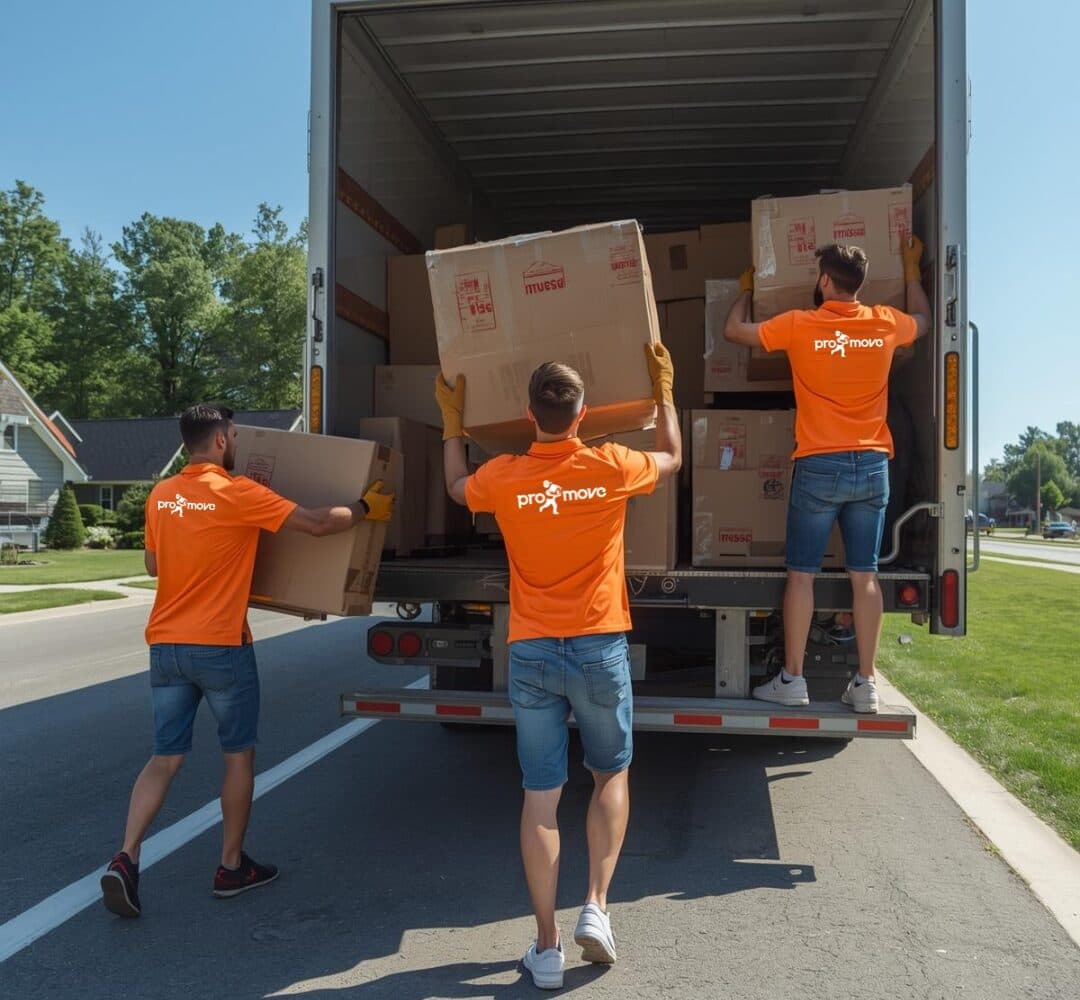
Long-Distance Moving in Britannia by ProMove Ottawa

Residential moving · Britannia

Long-Distance Moving in Britannia With a Plan for Every Property Detail

Connect long-distance moving requirements with Britannia property access, the route, inventory, requested preparation and moving-day timing.

Why the service and location matter together

Long-Distance Moving shaped around real Britannia moving conditions

The term may describe the historic village or a broader surrounding area, so the exact address and property form must be confirmed before planning. Long-distance moving in established Ottawa residential neighbourhoods is chiefly a sequencing exercise: people, property and timing must line up. Clarifies loading, travel and delivery expectations before departure For long-distance moving involving Britannia, ProMove Ottawa connects those points with the confirmed inventory, date, route and access notes before the requested scope is treated as complete.

Britannia Village is noted by its community association for heritage properties and natural surroundings, while the wider Britannia district includes buildings from other periods and densities. The walkthrough should pair this service priority: document a reasonable communication and timing plan for weather, traffic or route changes: with a location check: customers should walk the exact route for the largest item at both properties. Appropriate dollies used for loading and destination access conditions A Britannia property review for long-distance moving therefore identifies where the relevant items are located, how they leave each room and where they should be placed at the destination.

Long-Distance Moving preparation for a move involving Britannia

Local moving scenarios

Long-Distance Moving situations involving Britannia

Origin scenario

A family relocating from Ottawa to another Ontario community For Britannia, a move whose possession dates require an overnight or storage transition in established Ottawa residential neighbourhoods; the page should examine whether an infill or renovated property requires a different route from nearby homes. The term may describe the historic village or a broader surrounding area, so the exact address and property form must be confirmed before planning.

Destination scenario

A household moving into Ottawa from a distant origin with a firm possession date For Britannia, a family leaving the Ottawa region for another Ontario community in established Ottawa residential neighbourhoods; the page should examine how a rear addition, garage or secondary storage area expands the disclosed work. Britannia Village is noted by its community association for heritage properties and natural surroundings, while the wider Britannia district includes buildings from other periods and densities.

Route scenario

A customer coordinating a move with an overnight gap between loading and delivery For Britannia, a household arriving in the Ottawa region from a distant origin in established Ottawa residential neighbourhoods; the page should examine whether a basement and narrower stair route change handling at the origin. At waterfront-adjacent sites, avoid staging cartons on exposed ground and protect landscaping during every season.

Transition scenario

An organization transferring furniture and work materials to another region For Britannia, an organization transferring workplace contents to another municipality in established Ottawa residential neighbourhoods; the page should examine how shared or limited exterior access affects the practical loading position. Load essential and high-priority items so they remain identifiable if arrival timing changes.

Cost factors

What can shape a Britannia estimate

  • Distance and travel time For Britannia, two homes in an established neighbourhood may have very different handling profiles. Load essential and high-priority items so they remain identifiable if arrival timing changes.
  • Shipment size and vehicle space required For Britannia, labour and timing should therefore reflect measured stairs, walking distance, parking position and secondary storage spaces, not a broad assumption based on the area name. The riverfront setting makes seasonal preparation particularly visible in Britannia, but property conditions still require a same-day check.
  • Origin and destination access For Britannia, the schedule must allow for loading, road conditions, required breaks and an achievable destination access window; confirm whether the practical vehicle position is a driveway, curb or shared access point. Village homes, later houses, apartments and nearby multi-unit communities do not share one access profile.
  • Packing and specialty-item preparation For Britannia, the estimate should separate confirmed facts from allowances and be revised if inventory or access changes. Older or altered homes may have irregular additions, porches, low basement clearances or sensitive finishes.
  • Scheduling, delivery window and any storage transition For Britannia, for long-distance moving in established Ottawa residential neighbourhoods, distance, travel time, shipment volume and vehicle space interact with handling conditions at both properties. Access in Britannia can range from a private suburban driveway to a compact village street or a managed multi-unit loading area.

Timing factors

Plan the date, access windows and route together

Nearby transit construction and park or beach activity can affect the practical route on a given day. The schedule must allow for loading, road conditions, required breaks and an achievable destination access window; confirm whether the practical vehicle position is a driveway, curb or shared access point. Distance and travel time For long-distance moving involving Britannia, the estimate and schedule review route timing, possession or building windows, extra stops and requested preparation as connected factors.

Winter snowbanks and parking bans can alter vehicle placement; spring moisture calls for dry staging and careful floor protection. For a winter move in Britannia, keep entrances, steps and the working path cleared and monitor the forecast close to moving day. Build a detailed inventory and identify fragile, high-priority and unusually shaped belongings. For established Ottawa residential neighbourhoods, walk the exact route for the largest item at both properties. Weather, road conditions and traffic can influence timing ProMove Ottawa reviews current Britannia conditions close to the scheduled long-distance moving date and asks customers to report changes affecting access, safety or readiness.

  • For a winter move in Britannia, keep entrances, steps and the working path cleared and monitor the forecast close to moving day.
  • During wet or thaw conditions in Britannia, plan floor protection and keep cartons away from exposed ground while loading.
  • In warmer weather, identify priority items and keep water, medication and temperature-sensitive belongings under customer control.
  • Allow a practical route and traffic buffer for the confirmed Britannia addresses rather than assuming travel time from distance alone.

Moving process

A Britannia plan from scope review through placement

The sequence connects long-distance moving requirements with the two properties and route.

01

Scope

Confirm origin, destination and any flexibility around loading and delivery dates For Britannia, document a reasonable communication and timing plan for weather, traffic or route changes. For established Ottawa residential neighbourhoods, choose surface protection according to current weather and the actual interior route. Britannia Village is noted by its community association for heritage properties and natural surroundings, while the wider Britannia district includes buildings from other periods and densities.

02

Schedule

Create a detailed inventory with special attention to fragile and essential items For Britannia, build a detailed inventory and identify fragile, high-priority and unusually shaped belongings. For established Ottawa residential neighbourhoods, walk the exact route for the largest item at both properties. At waterfront-adjacent sites, avoid staging cartons on exposed ground and protect landscaping during every season.

03

Prepare

Verify which belongings should travel separately with the customer For Britannia, confirm destination keys, contact instructions and access before the vehicle departs. For established Ottawa residential neighbourhoods, include basements, additions, garages and exterior storage in the work where present. Load essential and high-priority items so they remain identifiable if arrival timing changes.

04

Protect

Confirm destination parking, keys and building access before departure For Britannia, choose packing methods that suit extended transport rather than a short neighbourhood trip. For established Ottawa residential neighbourhoods, identify any shared driveway or property-access arrangement before moving day. The riverfront setting makes seasonal preparation particularly visible in Britannia, but property conditions still require a same-day check.

05

Confirm

Prepare contact details and a contingency plan for timing changes For Britannia, document a reasonable communication and timing plan for weather, traffic or route changes. For established Ottawa residential neighbourhoods, choose surface protection according to current weather and the actual interior route. Village homes, later houses, apartments and nearby multi-unit communities do not share one access profile.

Location access

Conditions to confirm at the Britannia stop

Photograph the full route from the proposed vehicle position to the door and check current signage at the scheduled time. Protect landscaping and keep exterior approaches clear when the route is close to planted areas. For long-distance moving, documents, medication and first-night needs should travel separately with the customer. Parking and entrance conditions at a less familiar destination Record the walking distance from the expected truck position to each entrance in Britannia, including gates or secondary doors. Those combined Britannia access facts help determine the appropriate crew sequence and equipment for long-distance moving at the two confirmed addresses.

  • Confirm whether driveway, curbside or designated loading access is available at each Britannia address.
  • Measure tight stairs, doorways, hallways and elevator openings at the Britannia properties before assigning handling methods.
  • Check applicable property, condominium, landlord or municipal parking requirements for Britannia; arrange permission only where required.
  • Record the walking distance from the expected truck position to each entrance in Britannia, including gates or secondary doors.
  • Share current access notes, contact instructions and any time restrictions for the Britannia stops before the move is finalized.

Service access

Conditions that matter for long-distance moving

  • Parking and entrance conditions at a less familiar destination For Britannia, protect landscaping and keep exterior approaches clear when the route is close to planted areas. For long-distance moving, documents, medication and first-night needs should travel separately with the customer. At waterfront-adjacent sites, avoid staging cartons on exposed ground and protect landscaping during every season.
  • Building booking windows that must align with arrival For Britannia, account for basement, rear, side or secondary entrances when they form part of the inventory route. For long-distance moving, the planned vehicle must be suitable for approaches and loading positions at both ends. Load essential and high-priority items so they remain identifiable if arrival timing changes.
  • Road or driveway suitability for the planned vehicle For Britannia, measure older stair turns, porch steps and door openings instead of relying on exterior appearance. For long-distance moving, destination access must remain available within a realistic arrival window rather than one exact minute. The riverfront setting makes seasonal preparation particularly visible in Britannia, but property conditions still require a same-day check.
  • Potential distance between loading areas and interior rooms For Britannia, confirm whether the practical vehicle position is a driveway, curb or shared access point. For long-distance moving, extended transport calls for deliberate load order, padding and restraint. Village homes, later houses, apartments and nearby multi-unit communities do not share one access profile.

Protection plan

Coordinate item protection with property protection

  • Suitable furniture padding prepared for extended road transport For Britannia, stair geometry, additions, mature landscaping, shared driveways or a less direct entrance may affect one address, while the next property offers straightforward access, and an unresolved access issue at either end becomes more consequential once the vehicle has left the other address. The riverfront setting makes seasonal preparation particularly visible in Britannia, but property conditions still require a same-day check.
  • Load-securing straps arranged to limit shifting during travel For Britannia, protect landscaping and keep exterior approaches clear when the route is close to planted areas, and the planned vehicle must be suitable for approaches and loading positions at both ends. Village homes, later houses, apartments and nearby multi-unit communities do not share one access profile.
  • Clearly labelled boxes organized by room and handling need For Britannia, the walkthrough should pair this service priority: document a reasonable communication and timing plan for weather, traffic or route changes: with a location check: customers should walk the exact route for the largest item at both properties. Older or altered homes may have irregular additions, porches, low basement clearances or sensitive finishes.
  • Appropriate dollies used for loading and destination access conditions For Britannia, the intersection is practical rather than promotional. Access in Britannia can range from a private suburban driveway to a compact village street or a managed multi-unit loading area.
  • Clarify whether the customer means Britannia Village or another property in the wider Britannia area. A move whose possession dates require an overnight or storage transition in established Ottawa residential neighbourhoods; the page should examine whether an infill or renovated property requires a different route from nearby homes. For long-distance moving, also confirm create a detailed inventory with special attention to fragile and essential items.
  • Record heritage-sensitive finishes or irregular additions before choosing protective materials and handling routes. A family leaving the Ottawa region for another Ontario community in established Ottawa residential neighbourhoods; the page should examine how a rear addition, garage or secondary storage area expands the disclosed work. For long-distance moving, also confirm verify which belongings should travel separately with the customer.
  • Treat park, beach, trail and conservation access as public space that must remain unobstructed. A household arriving in the Ottawa region from a distant origin in established Ottawa residential neighbourhoods; the page should examine whether a basement and narrower stair route change handling at the origin. For long-distance moving, also confirm confirm destination parking, keys and building access before departure.
  • Check seasonal activity and current road conditions before selecting a Carling, Richmond or Highway 417 approach. An organization transferring workplace contents to another municipality in established Ottawa residential neighbourhoods; the page should examine how shared or limited exterior access affects the practical loading position. For long-distance moving, also confirm prepare contact details and a contingency plan for timing changes.
  • Use official property or flood mapping for site-specific water concerns instead of generalizing from river proximity. A move whose possession dates require an overnight or storage transition in established Ottawa residential neighbourhoods; the page should examine whether an infill or renovated property requires a different route from nearby homes. For long-distance moving, also confirm confirm origin, destination and any flexibility around loading and delivery dates.

Planning mistakes to avoid

  • Packing as though the move were a short local trip For Britannia, record heritage-sensitive finishes or irregular additions before choosing protective materials and handling routes. The term may describe the historic village or a broader surrounding area, so the exact address and property form must be confirmed before planning.
  • Leaving destination access checks until the vehicle arrives For Britannia, treat park, beach, trail and conservation access as public space that must remain unobstructed. Britannia Village is noted by its community association for heritage properties and natural surroundings, while the wider Britannia district includes buildings from other periods and densities.
  • Failing to keep documents and first-night necessities separately For Britannia, check seasonal activity and current road conditions before selecting a Carling, Richmond or Highway 417 approach. At waterfront-adjacent sites, avoid staging cartons on exposed ground and protect landscaping during every season.
  • Planning around one exact arrival time without reasonable flexibility For Britannia, use official property or flood mapping for site-specific water concerns instead of generalizing from river proximity. Load essential and high-priority items so they remain identifiable if arrival timing changes.

Service and location gallery

Long-Distance Moving planning for Britannia

Relevant visuals break up detailed planning guidance and show how preparation, protection and access fit together.

Free moving quote

Request a long-distance moving quote for Britannia

Share both addresses, the date, inventory, property types, access conditions, requested support and any special items. ProMove Ottawa will review the actual move rather than relying on a generic location rate.

Content ownership and review

Prepared and maintained by ProMove Ottawa

This long-distance moving and Britannia service-location guidance is reviewed against the page’s stated service scope, Ottawa-area access considerations and the information customers need to request a useful estimate. Building rules, road conditions and availability can change, so customers should confirm current details for both properties before moving day.

Editorial owner: ProMove Ottawa · Recovery review: September 20, 2026

Helpful answers

Twenty answers about long-distance moving in Britannia

Direct answers first, followed by at least 50 words of practical planning detail.

Browse all 100 FAQs

Treat the service scope and the Britannia context as two parts of the same answer. Village homes, later houses, apartments and nearby multi-unit communities do not share one access profile. A relevant intersection detail is that a move whose possession dates require an overnight or storage transition in established Ottawa residential neighbourhoods; the page should examine whether an infill or renovated property requires a different route from nearby homes. The preparation should include this task: create a detailed inventory with special attention to fragile and essential items For access, customers should check applicable property, condominium, landlord or municipal parking requirements for Britannia; arrange permission only where required. Clarify whether the customer means Britannia Village or another property in the wider Britannia area. Because packing and specialty-item preparation may shape the estimate, ProMove Ottawa asks for current facts about both properties and revisits the plan when those facts change before the scheduled move.

Start with the actual Britannia properties rather than a generic long-distance moving assumption. Any heritage or environmental constraint affecting work must be verified, not inferred. For this intersection, the shipment inventory, origin work, travel interval and destination arrival are controlled as one documented timeline, while documents, medication and first-night needs should travel separately with the customer. The customer should verify which belongings should travel separately with the customer and should record the walking distance from the expected truck position to each entrance in Britannia, including gates or secondary doors. Record heritage-sensitive finishes or irregular additions before choosing protective materials and handling routes. ProMove Ottawa then relates those findings to scheduling, delivery window and any storage transition, the requested date and the complete inventory. Report later changes promptly because even a small access or scope change can alter the sensible crew sequence.

The practical answer depends on the inventory, both addresses and the agreed long-distance moving scope. Protect landscaping and keep exterior approaches clear when the route is close to planted areas, and the planned vehicle must be suitable for approaches and loading positions at both ends. At a Britannia origin or destination, recreational parking, park roads and neighbouring lots are not moving spaces unless the responsible authority grants permission. Customers should also share current access notes, contact instructions and any time restrictions for the Britannia stops before the move is finalized. A useful preparation priority is to confirm destination parking, keys and building access before departure Treat park, beach, trail and conservation access as public space that must remain unobstructed. Those details allow ProMove Ottawa to review distance and travel time without treating every property in Britannia as though it presents the same route or handling conditions.

For Long-Distance Moving in Britannia, the main planning question is how the service requirements meet the real truck-to-room path. Check seasonal activity and current road conditions before selecting a Carling, Richmond or Highway 417 approach. Load essential and high-priority items so they remain identifiable if arrival timing changes. The intersection-specific consideration is this: the schedule must allow for loading, road conditions, required breaks and an achievable destination access window; confirm whether the practical vehicle position is a driveway, curb or shared access point. Before confirming the moving window, customers should prepare contact details and a contingency plan for timing changes They should also confirm whether driveway, curbside or designated loading access is available at each Britannia address. The estimate may reflect shipment size and vehicle space required, so changes to inventory, timing or access need review instead of being left until moving day.

ProMove Ottawa reviews this point as part of one connected Britannia plan. Measure older stair turns, porch steps and door openings instead of relying on exterior appearance. For long-distance moving, destination access must remain available within a realistic arrival window rather than one exact minute. Summer activity around parks, beaches and trails may warrant an updated route review, while heat-sensitive belongings should remain managed separately. For the requested long-distance moving, the customer should measure tight stairs, doorways, hallways and elevator openings at the Britannia properties before assigning handling methods. and should confirm origin, destination and any flexibility around loading and delivery dates Use official property or flood mapping for site-specific water concerns instead of generalizing from river proximity. The review also considers origin and destination access. This direct, property-specific approach gives the team better information for follow-up while avoiding unsupported assumptions about a neighbourhood, building, road, parking space or travel duration.

Treat the service scope and the Britannia context as two parts of the same answer. A route survey is especially important where the property lies near the water, a narrow approach or a busy seasonal destination. A relevant intersection detail is that an organization transferring workplace contents to another municipality in established Ottawa residential neighbourhoods; the page should examine how shared or limited exterior access affects the practical loading position. The preparation should include this task: create a detailed inventory with special attention to fragile and essential items For access, customers should check applicable property, condominium, landlord or municipal parking requirements for Britannia; arrange permission only where required. Clarify whether the customer means Britannia Village or another property in the wider Britannia area. Because packing and specialty-item preparation may shape the estimate, ProMove Ottawa asks for current facts about both properties and revisits the plan when those facts change before the scheduled move.

Start with the actual Britannia properties rather than a generic long-distance moving assumption. Inspect the intended exit and an alternate authorized route before selecting equipment. Established residential areas can contain older and newer houses, low-rise buildings, infill properties and varied lot or entrance arrangements within the same community. The customer should verify which belongings should travel separately with the customer and should record the walking distance from the expected truck position to each entrance in Britannia, including gates or secondary doors. Record heritage-sensitive finishes or irregular additions before choosing protective materials and handling routes. ProMove Ottawa then relates those findings to scheduling, delivery window and any storage transition, the requested date and the complete inventory. Report later changes promptly because even a small access or scope change can alter the sensible crew sequence.

The practical answer depends on the inventory, both addresses and the agreed long-distance moving scope. Stair geometry, additions, mature landscaping, shared driveways or a less direct entrance may affect one address, while the next property offers straightforward access, and an unresolved access issue at either end becomes more consequential once the vehicle has left the other address. At a Britannia origin or destination, at waterfront-adjacent sites, avoid staging cartons on exposed ground and protect landscaping during every season. Customers should also share current access notes, contact instructions and any time restrictions for the Britannia stops before the move is finalized. A useful preparation priority is to confirm destination parking, keys and building access before departure Treat park, beach, trail and conservation access as public space that must remain unobstructed. Those details allow ProMove Ottawa to review distance and travel time without treating every property in Britannia as though it presents the same route or handling conditions.

For Long-Distance Moving in Britannia, the main planning question is how the service requirements meet the real truck-to-room path. Check seasonal activity and current road conditions before selecting a Carling, Richmond or Highway 417 approach. Load essential and high-priority items so they remain identifiable if arrival timing changes. The intersection-specific consideration is this: labour and timing should therefore reflect measured stairs, walking distance, parking position and secondary storage spaces, not a broad assumption based on the area name. Before confirming the moving window, customers should prepare contact details and a contingency plan for timing changes They should also confirm whether driveway, curbside or designated loading access is available at each Britannia address. The estimate may reflect shipment size and vehicle space required, so changes to inventory, timing or access need review instead of being left until moving day.

ProMove Ottawa reviews this point as part of one connected Britannia plan. Account for basement, rear, side or secondary entrances when they form part of the inventory route. For long-distance moving, the planned vehicle must be suitable for approaches and loading positions at both ends. Summer activity around parks, beaches and trails may warrant an updated route review, while heat-sensitive belongings should remain managed separately. For the requested long-distance moving, the customer should measure tight stairs, doorways, hallways and elevator openings at the Britannia properties before assigning handling methods. and should confirm origin, destination and any flexibility around loading and delivery dates Use official property or flood mapping for site-specific water concerns instead of generalizing from river proximity. The review also considers origin and destination access. This direct, property-specific approach gives the team better information for follow-up while avoiding unsupported assumptions about a neighbourhood, building, road, parking space or travel duration.

Treat the service scope and the Britannia context as two parts of the same answer. Village homes, later houses, apartments and nearby multi-unit communities do not share one access profile. A relevant intersection detail is that confirm destination keys, contact instructions and access before the vehicle departs. For established Ottawa residential neighbourhoods, include basements, additions, garages and exterior storage in the work where present. The preparation should include this task: create a detailed inventory with special attention to fragile and essential items For access, customers should check applicable property, condominium, landlord or municipal parking requirements for Britannia; arrange permission only where required. Clarify whether the customer means Britannia Village or another property in the wider Britannia area. Because packing and specialty-item preparation may shape the estimate, ProMove Ottawa asks for current facts about both properties and revisits the plan when those facts change before the scheduled move.

Start with the actual Britannia properties rather than a generic long-distance moving assumption. Any heritage or environmental constraint affecting work must be verified, not inferred. Long-distance moving in established Ottawa residential neighbourhoods is chiefly a sequencing exercise: people, property and timing must line up. The customer should verify which belongings should travel separately with the customer and should record the walking distance from the expected truck position to each entrance in Britannia, including gates or secondary doors. Record heritage-sensitive finishes or irregular additions before choosing protective materials and handling routes. ProMove Ottawa then relates those findings to scheduling, delivery window and any storage transition, the requested date and the complete inventory. Report later changes promptly because even a small access or scope change can alter the sensible crew sequence.

The practical answer depends on the inventory, both addresses and the agreed long-distance moving scope. The intersection is practical rather than promotional. At a Britannia origin or destination, recreational parking, park roads and neighbouring lots are not moving spaces unless the responsible authority grants permission. Customers should also share current access notes, contact instructions and any time restrictions for the Britannia stops before the move is finalized. A useful preparation priority is to confirm destination parking, keys and building access before departure Treat park, beach, trail and conservation access as public space that must remain unobstructed. Those details allow ProMove Ottawa to review distance and travel time without treating every property in Britannia as though it presents the same route or handling conditions.

For Long-Distance Moving in Britannia, the main planning question is how the service requirements meet the real truck-to-room path. Check seasonal activity and current road conditions before selecting a Carling, Richmond or Highway 417 approach. Load essential and high-priority items so they remain identifiable if arrival timing changes. The intersection-specific consideration is this: two homes in an established neighbourhood may have very different handling profiles. Before confirming the moving window, customers should prepare contact details and a contingency plan for timing changes They should also confirm whether driveway, curbside or designated loading access is available at each Britannia address. The estimate may reflect shipment size and vehicle space required, so changes to inventory, timing or access need review instead of being left until moving day.

ProMove Ottawa reviews this point as part of one connected Britannia plan. Protect landscaping and keep exterior approaches clear when the route is close to planted areas. For long-distance moving, documents, medication and first-night needs should travel separately with the customer. Summer activity around parks, beaches and trails may warrant an updated route review, while heat-sensitive belongings should remain managed separately. For the requested long-distance moving, the customer should measure tight stairs, doorways, hallways and elevator openings at the Britannia properties before assigning handling methods. and should confirm origin, destination and any flexibility around loading and delivery dates Use official property or flood mapping for site-specific water concerns instead of generalizing from river proximity. The review also considers origin and destination access. This direct, property-specific approach gives the team better information for follow-up while avoiding unsupported assumptions about a neighbourhood, building, road, parking space or travel duration.

Treat the service scope and the Britannia context as two parts of the same answer. A route survey is especially important where the property lies near the water, a narrow approach or a busy seasonal destination. A relevant intersection detail is that build a detailed inventory and identify fragile, high-priority and unusually shaped belongings. For established Ottawa residential neighbourhoods, walk the exact route for the largest item at both properties. The preparation should include this task: create a detailed inventory with special attention to fragile and essential items For access, customers should check applicable property, condominium, landlord or municipal parking requirements for Britannia; arrange permission only where required. Clarify whether the customer means Britannia Village or another property in the wider Britannia area. Because packing and specialty-item preparation may shape the estimate, ProMove Ottawa asks for current facts about both properties and revisits the plan when those facts change before the scheduled move.

Start with the actual Britannia properties rather than a generic long-distance moving assumption. Inspect the intended exit and an alternate authorized route before selecting equipment. A household arriving in the Ottawa region from a distant origin in established Ottawa residential neighbourhoods; the page should examine whether a basement and narrower stair route change handling at the origin. The customer should verify which belongings should travel separately with the customer and should record the walking distance from the expected truck position to each entrance in Britannia, including gates or secondary doors. Record heritage-sensitive finishes or irregular additions before choosing protective materials and handling routes. ProMove Ottawa then relates those findings to scheduling, delivery window and any storage transition, the requested date and the complete inventory. Report later changes promptly because even a small access or scope change can alter the sensible crew sequence.

The practical answer depends on the inventory, both addresses and the agreed long-distance moving scope. Recorded decisions keep placement and customer communication clearer at arrival. At a Britannia origin or destination, at waterfront-adjacent sites, avoid staging cartons on exposed ground and protect landscaping during every season. Customers should also share current access notes, contact instructions and any time restrictions for the Britannia stops before the move is finalized. A useful preparation priority is to confirm destination parking, keys and building access before departure Treat park, beach, trail and conservation access as public space that must remain unobstructed. Those details allow ProMove Ottawa to review distance and travel time without treating every property in Britannia as though it presents the same route or handling conditions.

For Long-Distance Moving in Britannia, the main planning question is how the service requirements meet the real truck-to-room path. Check seasonal activity and current road conditions before selecting a Carling, Richmond or Highway 417 approach. Load essential and high-priority items so they remain identifiable if arrival timing changes. The intersection-specific consideration is this: for long-distance moving in established Ottawa residential neighbourhoods, distance, travel time, shipment volume and vehicle space interact with handling conditions at both properties. Before confirming the moving window, customers should prepare contact details and a contingency plan for timing changes They should also confirm whether driveway, curbside or designated loading access is available at each Britannia address. The estimate may reflect shipment size and vehicle space required, so changes to inventory, timing or access need review instead of being left until moving day.

ProMove Ottawa reviews this point as part of one connected Britannia plan. Confirm whether the practical vehicle position is a driveway, curb or shared access point. For long-distance moving, extended transport calls for deliberate load order, padding and restraint. Summer activity around parks, beaches and trails may warrant an updated route review, while heat-sensitive belongings should remain managed separately. For the requested long-distance moving, the customer should measure tight stairs, doorways, hallways and elevator openings at the Britannia properties before assigning handling methods. and should confirm origin, destination and any flexibility around loading and delivery dates Use official property or flood mapping for site-specific water concerns instead of generalizing from river proximity. The review also considers origin and destination access. This direct, property-specific approach gives the team better information for follow-up while avoiding unsupported assumptions about a neighbourhood, building, road, parking space or travel duration.

Call NowWhatsApp