
Origin scenario
A household relocating sofas, beds, tables and storage furniture in a nearby regional community; the page should examine whether a storage stop or secondary delivery changes the most efficient regional sequence.

Specialty moving · Casselman
Connect furniture moving requirements with Casselman property access, the route, inventory, requested preparation and moving-day timing.
Scope, access and next steps
Careful handling for individual pieces and full-room furniture moves. Share both addresses, the preferred date and the work you need. Availability and item suitability must be confirmed before booking.
| Requested work | Households, offices, buyers and sellers who need one furniture piece, several rooms or a full furniture inventory moved with route and surface protection planning. |
|---|---|
| Quote inputs | Number, dimensions and weight of pieces; Travel distance and vehicle requirements; Disassembly and reassembly needs; Stairs, elevators and carrying distance; Fragile materials or unusual handling requirements |
| Access to check | Door widths and stair turns; Elevator dimensions and reservation periods; Parking and loading-point proximity; Space available for destination placement |
| Confirmation | A form submission is an enquiry. Obtain explicit written confirmation of the scope and date before treating the move as booked. |
These are planning checks, not confirmation of permission at a particular property. Check the relevant authority or building manager for current requirements.
Why the service and location matter together
Casselman is a compact eastern Ontario municipality beside Highway 417, with a defined street grid, a VIA Rail station, the South Nation River and a mix of older and newer residential areas. Its small footprint can make local travel brief, but access still differs between central streets, apartment buildings, established detached homes and developing edges. Rail crossings and the highway connection should be considered when timing a move beyond town. Customers need to distinguish public curb space from a private driveway and should not use the VIA station lot or other public parking as moving staging without authorization. The Municipality publishes detailed road-network and winter-parking information, which is relevant to truck positioning. A complete quote should include basement, garage and shed contents, any elevator or landlord requirements, and the onward route. For an Ottawa-bound move, allow highway contingency rather than linking a building booking to the shortest map estimate. Furniture moving in a nearby regional community is chiefly a sequencing exercise: people, property and timing must line up. Nearby communities outside Ottawa’s urban core add a regional travel segment to property handling and may offer a mix of town-centre, subdivision, apartment and rural-edge addresses. For this intersection, each piece is matched to a measured carrying route, suitable preparation method and clear destination position, while destination space should be ready so large pieces are not handled repeatedly. Include any outbuilding, storage or secondary stop that changes the regional route; accordingly, large-piece handling should be sequenced before destination rooms or access paths become crowded. Recorded decisions keep placement and customer communication clearer at arrival.
Casselman includes older detached homes, bungalows, apartments, townhouses and newer subdivision properties. Central homes may sit on compact lots with narrower driveways or mature landscaping, while newer houses can have larger inventories and unfinished exterior grading. Apartments require confirmation of stairs, elevator access, door-propping rules and an approved truck position. Customers should list lockers, balconies, garages and sheds separately. Properties near the river are not automatically difficult, but the owner should report any current ground or access condition that affects vehicle placement. Measure large appliances and furniture through the complete route. If a home is near rail infrastructure, plan normal noise and crossing activity without entering or staging on railway property. At these addresses, the extra distance makes accurate inventory and destination readiness more important because an unplanned return to the origin uses substantially more time than a local repositioning. A sound furniture moving plan therefore recognizes that a piece can fit comfortably in a room yet fail at a doorway, landing, elevator or exterior turn. Confirm the complete route and vehicle approach rather than relying only on the community name, and the carrying path must be clear of cartons and competing activity. The walkthrough should pair this service priority: mark the intended destination room and placement position for each major item: with a location check: customers should complete a final inventory sweep before the vehicle departs the origin.
Local moving scenarios
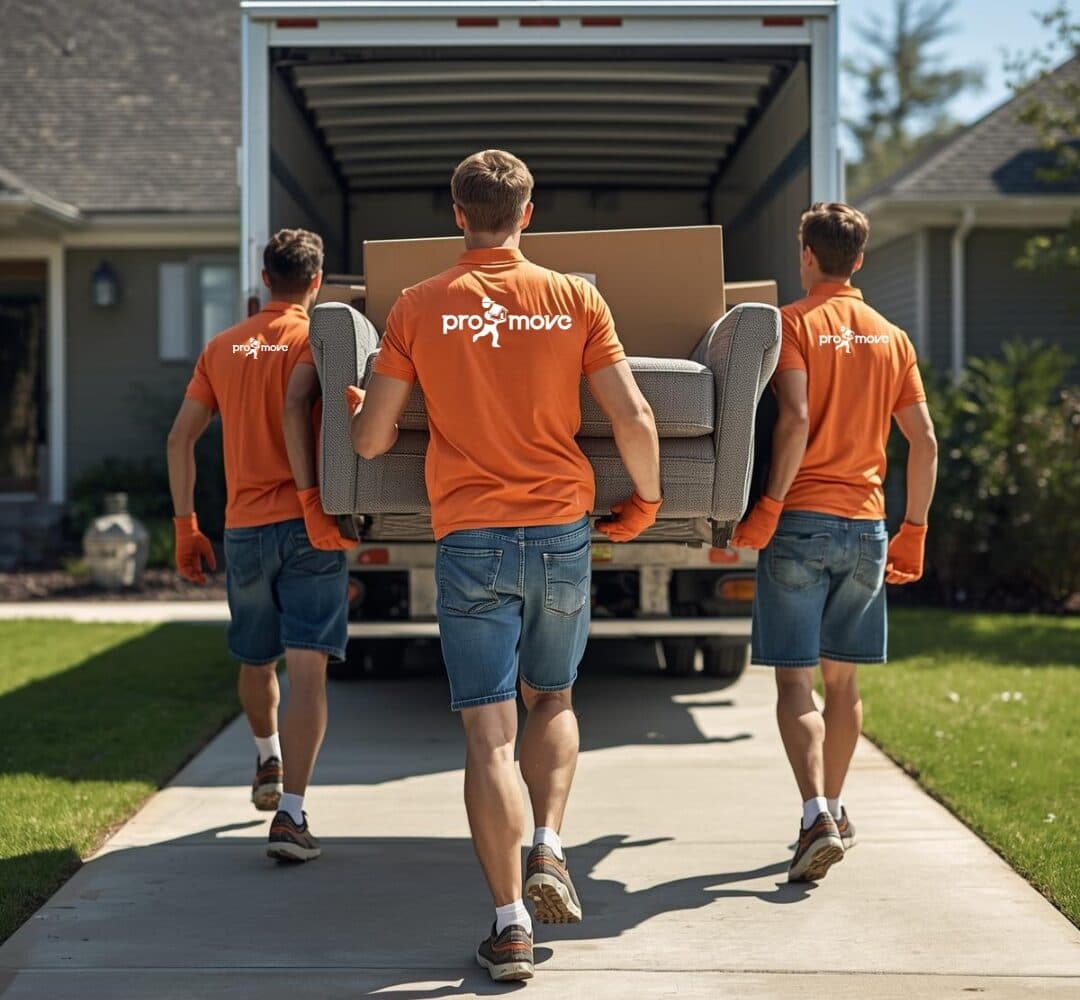
A household relocating sofas, beds, tables and storage furniture in a nearby regional community; the page should examine whether a storage stop or secondary delivery changes the most efficient regional sequence.
One bulky piece moving between levels within the same property in a nearby regional community; the page should examine how the regional travel segment makes a complete departure inventory especially important.
Office furniture being transferred by room or workstation zone in a nearby regional community; the page should examine whether destination access is fully ready before the vehicle leaves the more distant origin.
A customer moving selected pieces into or out of storage in a nearby regional community; the page should examine how current route conditions should be reflected without promising a fixed travel duration.
Moving process
The sequence connects furniture moving requirements with the two properties and route.
List furniture dimensions and flag glass, stone or removable components.
Empty cabinets, drawers and shelving before moving day.
Measure access routes at both addresses for the largest pieces.
Decide which items require disassembly and retain any instructions.
Confirm destination rooms and planned furniture positions.
Record dimensions, materials and photographs of the largest or most delicate pieces. For a nearby regional community, complete a final inventory sweep before the vehicle departs the origin.
Measure all doors, stairs, landings and elevators along the proposed route. For a nearby regional community, share precise addresses and entry instructions for properties that may be less familiar.
Empty storage furniture and secure or remove compatible loose components. For a nearby regional community, set a delivery window that reflects both travel and destination handling.
Mark the intended destination room and placement position for each major item. For a nearby regional community, keep customer-carried essentials separate in case the move occupies most of the day.
Location access
Casselman's municipal road page identifies public parking and winter overnight restrictions, including rules intended to keep snow-removal routes clear. Customers should consult the current page because specific dates or hours can be amended. Street parking does not grant long-term or exclusive truck use, and the VIA lot is reserved for rail users. Photograph signs and the intended loading area, then confirm any municipal or landlord approval. Keep hydrants, sidewalks, fire routes and neighbouring drives open. New subdivision streets should be checked for contractor vehicles and completed road access. Where a driveway is narrow, compare a smaller truck or longer carry rather than placing wheels on lawns or an unverified shoulder. Railway crossings must remain completely unobstructed.
Service access
Cost factors
Timing factors
Highway 417 gives Casselman a direct regional connection, but timing should account for the exact interchange, weather, incidents and the destination's urban access. A move to Ottawa can be affected by the full east-end approach after the highway segment; a move to Embrun or Limoges may use county roads with different conditions. Rail crossings can introduce short, unpredictable holds, so leave a buffer where the route crosses the line. Confirm that navigation uses the correct civic number and a truck-suitable road. If a condo elevator or key release is fixed, schedule it conservatively. Extra pickups should be sequenced before joining the highway where practical. Check provincial and municipal road information near dispatch rather than relying on the quote-day route. For furniture moving in a nearby regional community, piece count, dimensions, weight, disassembly, travel and route complexity combine to determine labour and equipment needs. Vehicle time and kilometres are more visible for a nearby regional move, but they do not replace access analysis. The estimate should also account for inventory, stairs, long carries, packing and secondary stops, with timing based on current conditions rather than a guaranteed travel time. Large-piece handling should be sequenced before destination rooms or access paths become crowded; allow travel flexibility for current road and weather conditions without asserting a fixed duration. The estimate should separate confirmed facts from allowances and be revised if inventory or access changes.
Casselman's winter road network information states that overnight parking restrictions support plowing and snow removal. Customers should verify the hours, clear a driveway if available and avoid leaving any vehicle where it obstructs operations. Snowbanks can reduce curb length and make compact central streets tighter. Treat all stairs and walks, and keep boxes off wet snow. Spring thaw can soften subdivision edges and rural destination lanes, while river conditions should be checked only where they affect a property or route. Summer highway construction may change timing. During hot weather, keep sensitive goods under customer control. Updated site photos are needed after snow, grading or construction changes the planned truck space.
Protection plan
Service and location gallery
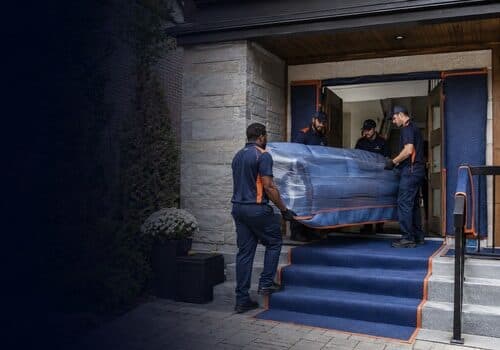
Relevant visuals break up detailed planning guidance and show how preparation, protection and access fit together.


Free moving quote
Share both addresses, the date, inventory, property types, access conditions, requested support and any special items. ProMove Ottawa will review the actual move rather than relying on a generic location rate.
About this page
Use this furniture moving and Casselman service-location information to prepare an enquiry. Confirm current building rules, access and service availability for the two actual properties. General planning information is not a survey of a particular address or confirmation that a task has been accepted.
Page content updated September 20, 2026. About ProMove OttawaHelpful answers
Answers to scope, access, preparation and booking questions.
Careful handling for individual pieces and full-room furniture moves. Households, offices, buyers and sellers who need one furniture piece, several rooms or a full furniture inventory moved with route and surface protection planning. Ask for the requested tasks to be listed separately in the written scope. Packing, dismantling, storage stops and specialist work should not be assumed to be included merely because a moving service has been selected.
A household is moving sofas, beds, tables and storage furniture to a new home. A large piece must be moved between floors or rooms within the same property. Office desks, chairs and cabinets need to be relocated in a defined sequence. Furniture is being transferred to or from a storage unit. These are examples for discussing the work, not confirmation that a particular item or property can be accepted. Send the relevant inventory and access information so suitability can be assessed before a booking is agreed.
Provide both addresses, the requested date, an itemized inventory, property types and access photographs. For this service the estimate inputs include: Number, dimensions and weight of pieces; Travel distance and vehicle requirements; Disassembly and reassembly needs; Stairs, elevators and carrying distance; Fragile materials or unusual handling requirements. Separate confirmed facts from provisional dates or quantities; report any changes before relying on an earlier estimate.
Enquire when your likely move date and addresses are known. If possession or a building booking is provisional, say so rather than treating it as confirmed. Availability must be checked for the actual date, service and access window; an enquiry or submitted form does not reserve a crew.
Casselman's municipal road page identifies public parking and winter overnight restrictions, including rules intended to keep snow-removal routes clear. Customers should consult the current page because specific dates or hours can be amended. Street parking does not grant long-term or exclusive truck use, and the VIA lot is reserved for rail users. Photograph signs and the intended loading area, then confirm any municipal or landlord approval. Keep hydrants, sidewalks, fire routes and neighbouring drives open. New subdivision streets should be checked for contractor vehicles and completed road access. Where a driveway is narrow, compare a smaller truck or longer carry rather than placing wheels on lawns or an unverified shoulder. Railway crossings must remain completely unobstructed. Record pickup and destination separately, including floor, interior and exterior stairs, elevator restrictions, entrance measurements and carrying distance. Access that works at one end does not establish that the same item will fit at the other.
List furniture dimensions and flag glass, stone or removable components. Empty cabinets, drawers and shelving before moving day. Measure access routes at both addresses for the largest pieces. Decide which items require disassembly and retain any instructions. Confirm destination rooms and planned furniture positions. Keep the preparation checklist with the confirmed inventory. Identify which tasks you will complete and which require a separately agreed service; do not disconnect, dismantle or move specialist equipment unless the responsible provider has confirmed how it should be handled.
For this service, check: Door widths and stair turns; Elevator dimensions and reservation periods; Parking and loading-point proximity; Space available for destination placement. Measure the narrowest point, not just the front door. Photograph stair turns, landings and the route to the final room, and identify fixed obstructions. If an item may not fit, request an access assessment before anyone attempts to move it.
No. A nearby public space is not a reserved moving bay. Confirm whether driveway, curbside or designated loading access is available at each Casselman address. Check current posted restrictions and ask the property manager or relevant authority about required arrangements. Keep a workable alternative if the intended space cannot be used.
Protection is selected for the item and the route. The planning considerations are: Moving blankets and appropriate wrap around suitable furniture surfaces. Dollies, straps or lifting aids selected for item shape and route. Floor and doorway protection where the access plan requires it. Separated and labelled removable parts kept with the furniture record. Ask what preparation is required before arrival and which materials or tasks are included. Photograph existing condition where useful; protective materials are not a substitute for confirming handling suitability or written liability terms.
Describe the rooms, item categories and quantity of packing or unpacking you need. Identify fragile, high-value and owner-packed items, and ask for materials, preparation dates and responsibilities to be confirmed in the quote. Adding packing changes the work; it should not be left as an assumption on moving day.
Keep identification, keys, medication, valuables, payment cards, essential documents and immediately needed personal items under your own control. Make a separate essentials bag and clearly mark items that must not be loaded. Confirm any restricted goods with the provider; ordinary moving scope should not imply acceptance of dangerous or regulated items.
Casselman's winter road network information states that overnight parking restrictions support plowing and snow removal. Customers should verify the hours, clear a driveway if available and avoid leaving any vehicle where it obstructs operations. Snowbanks can reduce curb length and make compact central streets tighter. Treat all stairs and walks, and keep boxes off wet snow. Spring thaw can soften subdivision edges and rural destination lanes, while river conditions should be checked only where they affect a property or route. Summer highway construction may change timing. During hot weather, keep sensitive goods under customer control. Updated site photos are needed after snow, grading or construction changes the planned truck space. Report access changes before arrival. A schedule should be reassessed when actual conditions make handling unsafe.
Send the changed list, dimensions or photographs before moving day and ask whether the written scope, time or price needs revision. For furniture moving, a change can affect number, dimensions and weight of pieces as well as handling and access. Keep the revised instruction with the original estimate so both parties work from the same information.
List every stop before requesting the estimate, including access hours, unit or receiving details and the inventory to be loaded or unloaded there. Storage arrangements, facility access and transport are separate questions. Do not assume storage is supplied or reserved unless the written scope explicitly confirms it.
Disclose the item's type, dimensions, estimated weight, condition and access at both ends. Relevant challenges include: Bulky pieces may fit a room but not the doorway or stair route. Loose shelves, drawers or glass inserts can move during handling. Long carries and exterior steps increase handling complexity. Crowded destination rooms can prevent safe final placement. The assessment may identify a need for different equipment, a specialist or an alternative route. Do not treat a service description as automatic acceptance of every item.
Estimating access by sight instead of measuring the largest furniture. Leaving drawers full or detachable components unsecured. Forgetting to disclose stone, glass or unusually dense construction. Skipping a destination placement plan and blocking important pathways. Resolve uncertain items before scheduling the affected task. Use photographs and written building instructions where they can answer a specific question, and keep one current version of the inventory and access notes rather than conflicting instructions across several conversations.
Walk through the agreed inventory, no-load items, access route and destination labels with the responsible contact. Point out existing damage or fragile components before handling starts. If actual conditions differ from the estimate, clarify the affected work before proceeding. Finish with a placement and remaining-items check rather than assuming an empty room means the whole scope is complete.
Provide the complete origin and destination so route suitability, availability and delivery arrangements can be assessed. This page describes a service involving Casselman; it does not establish a fixed travel time or automatic coverage of every destination. Ask for any additional stops and delivery constraints to be recorded in the same scope.
No. Submitting an enquiry asks the team to review the requested work. Wait for explicit written confirmation of the accepted service, date, access arrangements and applicable terms before treating the move as booked. If anything is still provisional, identify it clearly and agree who will resolve it.
Use the quote form or call ProMove Ottawa with the two addresses, preferred date, inventory and service requirements. Attach or describe the access information relevant to furniture moving. Ask the team to confirm suitability and the written scope, and retain any revised estimate when your date, inventory or property arrangements change.
Continue planning