Furniture Moving in Gloucester by ProMove Ottawa

Specialty moving · Gloucester

Furniture Moving in Gloucester With a Plan for Every Property Detail

Connect furniture moving requirements with Gloucester property access, the route, inventory, requested preparation and moving-day timing.

Why the service and location matter together

Furniture Moving shaped around real Gloucester moving conditions

A Gloucester relocation might remain in the east or south, cross central Ottawa, or connect with rural communities. Check apartment, condominium or commercial booking requirements whenever they apply; accordingly, large-piece handling should be sequenced before destination rooms or access paths become crowded. Item-by-item route checks identify disassembly and turning needs early. For furniture moving involving Gloucester, ProMove Ottawa connects those points with the confirmed inventory, date, route and access notes before the requested scope is treated as complete.

Each requires a different inventory emphasis. A driveway move and a booked-elevator move can occur in the same community, so the service plan must follow the two actual addresses rather than a single suburban assumption, and a piece can fit comfortably in a room yet fail at a doorway, landing, elevator or exterior turn. Floor and doorway protection where the access plan requires it. A Gloucester property review for furniture moving therefore identifies where the relevant items are located, how they leave each room and where they should be placed at the destination.

Furniture Moving preparation for a move involving Gloucester

Local moving scenarios

Furniture Moving situations involving Gloucester

Origin scenario

A household is moving sofas, beds, tables and storage furniture to a new home. For Gloucester, a customer moving selected pieces into or out of storage in a major Ottawa suburban centre; the page should examine whether travel within the broader suburban centre fits the property access windows. A Gloucester relocation might remain in the east or south, cross central Ottawa, or connect with rural communities.

Destination scenario

A large piece must be moved between floors or rooms within the same property. For Gloucester, a household relocating sofas, beds, tables and storage furniture in a major Ottawa suburban centre; the page should examine whether both addresses offer usable driveway access or need different loading positions. Customers should flag appliances, oversized furniture, workshop contents and any item stored away from the main living area.

Route scenario

Office desks, chairs and cabinets need to be relocated in a defined sequence. For Gloucester, one bulky piece moving between levels within the same property in a major Ottawa suburban centre; the page should examine how contrasting townhouse and multi-unit access patterns affect the handling plan. Shared or privately managed space needs authorization from the property contact; public curb use remains subject to current signs and City rules.

Transition scenario

Furniture is being transferred to or from a storage unit. For Gloucester, office furniture being transferred by room or workstation zone in a major Ottawa suburban centre; the page should examine how a reserved loading and elevator period controls the destination sequence. For multi-stop commercial or household work, establish an explicit sequence and identify which items leave at each stop so the broad Gloucester label does not create routing or inventory ambiguity.

Cost factors

What can shape a Gloucester estimate

  • Number, dimensions and weight of pieces For Gloucester, travel within a large suburban centre is only one part of the estimate. For multi-stop commercial or household work, establish an explicit sequence and identify which items leave at each stop so the broad Gloucester label does not create routing or inventory ambiguity.
  • Travel distance and vehicle requirements For Gloucester, house size, multi-unit bookings, walking distance, stairs and optional preparation can produce very different labour requirements, so both addresses need their own access record. Winter conditions across Gloucester can differ between sheltered urban streets and more exposed southern or eastern approaches.
  • Disassembly and reassembly needs For Gloucester, large-piece handling should be sequenced before destination rooms or access paths become crowded; confirm whether each stop uses a driveway, curb, loading area or building-designated entrance. The crew plan should be grounded in those exact origins and destinations, not the boundaries of the former city.
  • Stairs, elevators and carrying distance For Gloucester, the estimate should separate confirmed facts from allowances and be revised if inventory or access changes. For technology or office equipment, the customer remains responsible for data, specialist disconnection and reconnection unless a separate qualified service is arranged.
  • Fragile materials or unusual handling requirements For Gloucester, for furniture moving in a major Ottawa suburban centre, piece count, dimensions, weight, disassembly, travel and route complexity combine to determine labour and equipment needs. Near commercial or institutional premises, confirm receiving hours, dock clearance and who will meet the crew.

Timing factors

Plan the date, access windows and route together

The relevant corridor depends entirely on the two addresses. House size, multi-unit bookings, walking distance, stairs and optional preparation can produce very different labour requirements, so both addresses need their own access record. Number, dimensions and weight of pieces For furniture moving involving Gloucester, the estimate and schedule review route timing, possession or building windows, extra stops and requested preparation as connected factors.

Weather decisions should follow the exact site and forecast rather than assumptions based on Gloucester’s large geographic area. Allow a practical route and traffic buffer for the confirmed Gloucester addresses rather than assuming travel time from distance alone. Measure all doors, stairs, landings and elevators along the proposed route. For a major Ottawa suburban centre, coordinate key times with any elevator or loading reservations. Loose shelves, drawers or glass inserts can move during handling. ProMove Ottawa reviews current Gloucester conditions close to the scheduled furniture moving date and asks customers to report changes affecting access, safety or readiness.

  • For a winter move in Gloucester, keep entrances, steps and the working path cleared and monitor the forecast close to moving day.
  • During wet or thaw conditions in Gloucester, plan floor protection and keep cartons away from exposed ground while loading.
  • In warmer weather, identify priority items and keep water, medication and temperature-sensitive belongings under customer control.
  • Allow a practical route and traffic buffer for the confirmed Gloucester addresses rather than assuming travel time from distance alone.

Moving process

A Gloucester plan from scope review through placement

The sequence connects furniture moving requirements with the two properties and route.

01

Scope

List furniture dimensions and flag glass, stone or removable components. For Gloucester, mark the intended destination room and placement position for each major item. For a major Ottawa suburban centre, classify each property by its actual access pattern before choosing crew and vehicle assumptions. Customers should flag appliances, oversized furniture, workshop contents and any item stored away from the main living area.

02

Schedule

Empty cabinets, drawers and shelving before moving day. For Gloucester, record dimensions, materials and photographs of the largest or most delicate pieces. For a major Ottawa suburban centre, record all unit, buzzer, loading and property-contact details. Shared or privately managed space needs authorization from the property contact; public curb use remains subject to current signs and City rules.

03

Prepare

Measure access routes at both addresses for the largest pieces. For Gloucester, measure all doors, stairs, landings and elevators along the proposed route. For a major Ottawa suburban centre, coordinate key times with any elevator or loading reservations. For multi-stop commercial or household work, establish an explicit sequence and identify which items leave at each stop so the broad Gloucester label does not create routing or inventory ambiguity.

04

Protect

Decide which items require disassembly and retain any instructions. For Gloucester, empty storage furniture and secure or remove compatible loose components. For a major Ottawa suburban centre, group the inventory by destination room or work zone for efficient placement. Winter conditions across Gloucester can differ between sheltered urban streets and more exposed southern or eastern approaches.

05

Confirm

Confirm destination rooms and planned furniture positions. For Gloucester, mark the intended destination room and placement position for each major item. For a major Ottawa suburban centre, classify each property by its actual access pattern before choosing crew and vehicle assumptions. The crew plan should be grounded in those exact origins and destinations, not the boundaries of the former city.

Location access

Conditions to confirm at the Gloucester stop

At a house, check garage and side entrances as potential item routes, but use them only when cleared and safe. Allow for travel between different parts of the suburban centre within the moving sequence. For furniture moving, glass, stone, drawers and shelving need based on the item preparation rather than one generic method. Space available for destination placement Record the walking distance from the expected truck position to each entrance in Gloucester, including gates or secondary doors. Those combined Gloucester access facts help determine the appropriate crew sequence and equipment for furniture moving at the two confirmed addresses.

  • Confirm whether driveway, curbside or designated loading access is available at each Gloucester address.
  • Measure tight stairs, doorways, hallways and elevator openings at the Gloucester properties before assigning handling methods.
  • Check applicable property, condominium, landlord or municipal parking requirements for Gloucester; arrange permission only where required.
  • Record the walking distance from the expected truck position to each entrance in Gloucester, including gates or secondary doors.
  • Share current access notes, contact instructions and any time restrictions for the Gloucester stops before the move is finalized.

Service access

Conditions that matter for furniture moving

  • Door widths and stair turns For Gloucester, include garages, lockers and multi-level layouts in the inventory and route review. For furniture moving, destination space should be ready so large pieces are not handled repeatedly. Shared or privately managed space needs authorization from the property contact; public curb use remains subject to current signs and City rules.
  • Elevator dimensions and reservation periods For Gloucester, confirm whether each stop uses a driveway, curb, loading area or building-designated entrance. For furniture moving, width, height, weight and removable components should be known before selecting the route. For multi-stop commercial or household work, establish an explicit sequence and identify which items leave at each stop so the broad Gloucester label does not create routing or inventory ambiguity.
  • Parking and loading-point proximity For Gloucester, allow for travel between different parts of the suburban centre within the moving sequence. For furniture moving, glass, stone, drawers and shelving need based on the item preparation rather than one generic method. Winter conditions across Gloucester can differ between sheltered urban streets and more exposed southern or eastern approaches.
  • Space available for destination placement For Gloucester, check apartment, condominium or commercial booking requirements whenever they apply. For furniture moving, the carrying path must be clear of cartons and competing activity. The crew plan should be grounded in those exact origins and destinations, not the boundaries of the former city.

Protection plan

Coordinate item protection with property protection

  • Moving blankets and appropriate wrap around suitable furniture surfaces. For Gloucester, the intersection is practical rather than promotional. Winter conditions across Gloucester can differ between sheltered urban streets and more exposed southern or eastern approaches.
  • Dollies, straps or lifting aids selected for item shape and route. For Gloucester, a driveway move and a booked-elevator move can occur in the same community, so the service plan must follow the two actual addresses rather than a single suburban assumption, and a piece can fit comfortably in a room yet fail at a doorway, landing, elevator or exterior turn. The crew plan should be grounded in those exact origins and destinations, not the boundaries of the former city.
  • Floor and doorway protection where the access plan requires it. For Gloucester, confirm whether each stop uses a driveway, curb, loading area or building-designated entrance, and glass, stone, drawers and shelving need based on the item preparation rather than one generic method. For technology or office equipment, the customer remains responsible for data, specialist disconnection and reconnection unless a separate qualified service is arranged.
  • Separated and labelled removable parts kept with the furniture record. For Gloucester, the walkthrough should pair this service priority: empty storage furniture and secure or remove compatible loose components: with a location check: customers should group the inventory by destination room or work zone for efficient placement. Near commercial or institutional premises, confirm receiving hours, dock clearance and who will meet the crew.
  • Pair the word Gloucester with the current neighbourhood and postal code so routing and property assumptions are accurate. A customer moving selected pieces into or out of storage in a major Ottawa suburban centre; the page should examine whether travel within the broader suburban centre fits the property access windows. For furniture moving, also confirm empty cabinets, drawers and shelving before moving day..
  • For institutional or commercial moves, identify the receiving contact, authorized entrance and access hours in writing. A household relocating sofas, beds, tables and storage furniture in a major Ottawa suburban centre; the page should examine whether both addresses offer usable driveway access or need different loading positions. For furniture moving, also confirm measure access routes at both addresses for the largest pieces..
  • Keep specialist technology responsibilities separate from the mover’s furniture and equipment handling work. One bulky piece moving between levels within the same property in a major Ottawa suburban centre; the page should examine how contrasting townhouse and multi-unit access patterns affect the handling plan. For furniture moving, also confirm decide which items require disassembly and retain any instructions..
  • Measure both dock or garage clearance and interior doorways when large equipment is included. Office furniture being transferred by room or workstation zone in a major Ottawa suburban centre; the page should examine how a reserved loading and elevator period controls the destination sequence. For furniture moving, also confirm confirm destination rooms and planned furniture positions..
  • Use the exact origin and destination to select a corridor; the former municipal boundary is not a useful route plan. A customer moving selected pieces into or out of storage in a major Ottawa suburban centre; the page should examine whether travel within the broader suburban centre fits the property access windows. For furniture moving, also confirm list furniture dimensions and flag glass, stone or removable components..

Planning mistakes to avoid

  • Estimating access by sight instead of measuring the largest furniture. For Gloucester, for institutional or commercial moves, identify the receiving contact, authorized entrance and access hours in writing. A Gloucester relocation might remain in the east or south, cross central Ottawa, or connect with rural communities.
  • Leaving drawers full or detachable components unsecured. For Gloucester, keep specialist technology responsibilities separate from the mover’s furniture and equipment handling work. Customers should flag appliances, oversized furniture, workshop contents and any item stored away from the main living area.
  • Forgetting to disclose stone, glass or unusually dense construction. For Gloucester, measure both dock or garage clearance and interior doorways when large equipment is included. Shared or privately managed space needs authorization from the property contact; public curb use remains subject to current signs and City rules.
  • Skipping a destination placement plan and blocking important pathways. For Gloucester, use the exact origin and destination to select a corridor; the former municipal boundary is not a useful route plan. For multi-stop commercial or household work, establish an explicit sequence and identify which items leave at each stop so the broad Gloucester label does not create routing or inventory ambiguity.

Service and location gallery

Furniture Moving planning for Gloucester

Relevant visuals break up detailed planning guidance and show how preparation, protection and access fit together.

Free moving quote

Request a furniture moving quote for Gloucester

Share both addresses, the date, inventory, property types, access conditions, requested support and any special items. ProMove Ottawa will review the actual move rather than relying on a generic location rate.

Content ownership and review

Prepared and maintained by ProMove Ottawa

This furniture moving and Gloucester service-location guidance is reviewed against the page’s stated service scope, Ottawa-area access considerations and the information customers need to request a useful estimate. Building rules, road conditions and availability can change, so customers should confirm current details for both properties before moving day.

Editorial owner: ProMove Ottawa · Recovery review: September 20, 2026

Helpful answers

Twenty answers about furniture moving in Gloucester

Direct answers first, followed by at least 50 words of practical planning detail.

Browse all 100 FAQs

The practical answer depends on the inventory, both addresses and the agreed furniture moving scope. One bulky piece moving between levels within the same property in a major Ottawa suburban centre; the page should examine how contrasting townhouse and multi-unit access patterns affect the handling plan. At a Gloucester origin or destination, a Gloucester relocation might remain in the east or south, cross central Ottawa, or connect with rural communities. Customers should also check applicable property, condominium, landlord or municipal parking requirements for Gloucester; arrange permission only where required. A useful preparation priority is to empty cabinets, drawers and shelving before moving day. For institutional or commercial moves, identify the receiving contact, authorized entrance and access hours in writing. Those details allow ProMove Ottawa to review stairs, elevators and carrying distance without treating every property in Gloucester as though it presents the same route or handling conditions.

For Furniture Moving in Gloucester, the main planning question is how the service requirements meet the real truck-to-room path. Keep specialist technology responsibilities separate from the mover’s furniture and equipment handling work. Each requires a different inventory emphasis. The intersection-specific consideration is this: check apartment, condominium or commercial booking requirements whenever they apply; accordingly, large-piece handling should be sequenced before destination rooms or access paths become crowded. Before confirming the moving window, customers should measure access routes at both addresses for the largest pieces. They should also record the walking distance from the expected truck position to each entrance in Gloucester, including gates or secondary doors. The estimate may reflect fragile materials or unusual handling requirements, so changes to inventory, timing or access need review instead of being left until moving day.

ProMove Ottawa reviews this point as part of one connected Gloucester plan. The walkthrough should pair this service priority: empty storage furniture and secure or remove compatible loose components: with a location check: customers should group the inventory by destination room or work zone for efficient placement. At a house, check garage and side entrances as potential item routes, but use them only when cleared and safe. For the requested furniture moving, the customer should share current access notes, contact instructions and any time restrictions for the Gloucester stops before the move is finalized. and should decide which items require disassembly and retain any instructions. Measure both dock or garage clearance and interior doorways when large equipment is included. The review also considers number, dimensions and weight of pieces. This direct, property-specific approach gives the team better information for follow-up while avoiding unsupported assumptions about a neighbourhood, building, road, parking space or travel duration.

Treat the service scope and the Gloucester context as two parts of the same answer. Because Gloucester spans east and south Ottawa contexts, route planning can involve Highway 417, Highway 174, the Airport Parkway, Hunt Club Road or other arterials. A relevant intersection detail is that the estimate should separate confirmed facts from allowances and be revised if inventory or access changes. The preparation should include this task: confirm destination rooms and planned furniture positions. For access, customers should confirm whether driveway, curbside or designated loading access is available at each Gloucester address. Use the exact origin and destination to select a corridor; the former municipal boundary is not a useful route plan. Because travel distance and vehicle requirements may shape the estimate, ProMove Ottawa asks for current facts about both properties and revisits the plan when those facts change before the scheduled move.

Start with the actual Gloucester properties rather than a generic furniture moving assumption. Summer moves should protect heat-sensitive belongings and provide accessible water. Mark the intended destination room and placement position for each major item. For a major Ottawa suburban centre, classify each property by its actual access pattern before choosing crew and vehicle assumptions. The customer should list furniture dimensions and flag glass, stone or removable components. and should measure tight stairs, doorways, hallways and elevator openings at the Gloucester properties before assigning handling methods. Pair the word Gloucester with the current neighbourhood and postal code so routing and property assumptions are accurate. ProMove Ottawa then relates those findings to disassembly and reassembly needs, the requested date and the complete inventory. Report later changes promptly because even a small access or scope change can alter the sensible crew sequence.

The practical answer depends on the inventory, both addresses and the agreed furniture moving scope. A household relocating sofas, beds, tables and storage furniture in a major Ottawa suburban centre; the page should examine whether both addresses offer usable driveway access or need different loading positions. At a Gloucester origin or destination, depending on the address, a move may be in the east end, the south near the airport, an established residential district or a newer development. Customers should also check applicable property, condominium, landlord or municipal parking requirements for Gloucester; arrange permission only where required. A useful preparation priority is to empty cabinets, drawers and shelving before moving day. For institutional or commercial moves, identify the receiving contact, authorized entrance and access hours in writing. Those details allow ProMove Ottawa to review stairs, elevators and carrying distance without treating every property in Gloucester as though it presents the same route or handling conditions.

For Furniture Moving in Gloucester, the main planning question is how the service requirements meet the real truck-to-room path. Keep specialist technology responsibilities separate from the mover’s furniture and equipment handling work. For technology or office equipment, the customer remains responsible for data, specialist disconnection and reconnection unless a separate qualified service is arranged. The intersection-specific consideration is this: for this intersection, each piece is matched to a measured carrying route, suitable preparation method and clear destination position, while the carrying path must be clear of cartons and competing activity. Before confirming the moving window, customers should measure access routes at both addresses for the largest pieces. They should also record the walking distance from the expected truck position to each entrance in Gloucester, including gates or secondary doors. The estimate may reflect fragile materials or unusual handling requirements, so changes to inventory, timing or access need review instead of being left until moving day.

ProMove Ottawa reviews this point as part of one connected Gloucester plan. Confirm whether each stop uses a driveway, curb, loading area or building-designated entrance, and glass, stone, drawers and shelving need based on the item preparation rather than one generic method. Customers should provide the intended vehicle position, carrying distance, stairs and door sequence at each address. For the requested furniture moving, the customer should share current access notes, contact instructions and any time restrictions for the Gloucester stops before the move is finalized. and should decide which items require disassembly and retain any instructions. Measure both dock or garage clearance and interior doorways when large equipment is included. The review also considers number, dimensions and weight of pieces. This direct, property-specific approach gives the team better information for follow-up while avoiding unsupported assumptions about a neighbourhood, building, road, parking space or travel duration.
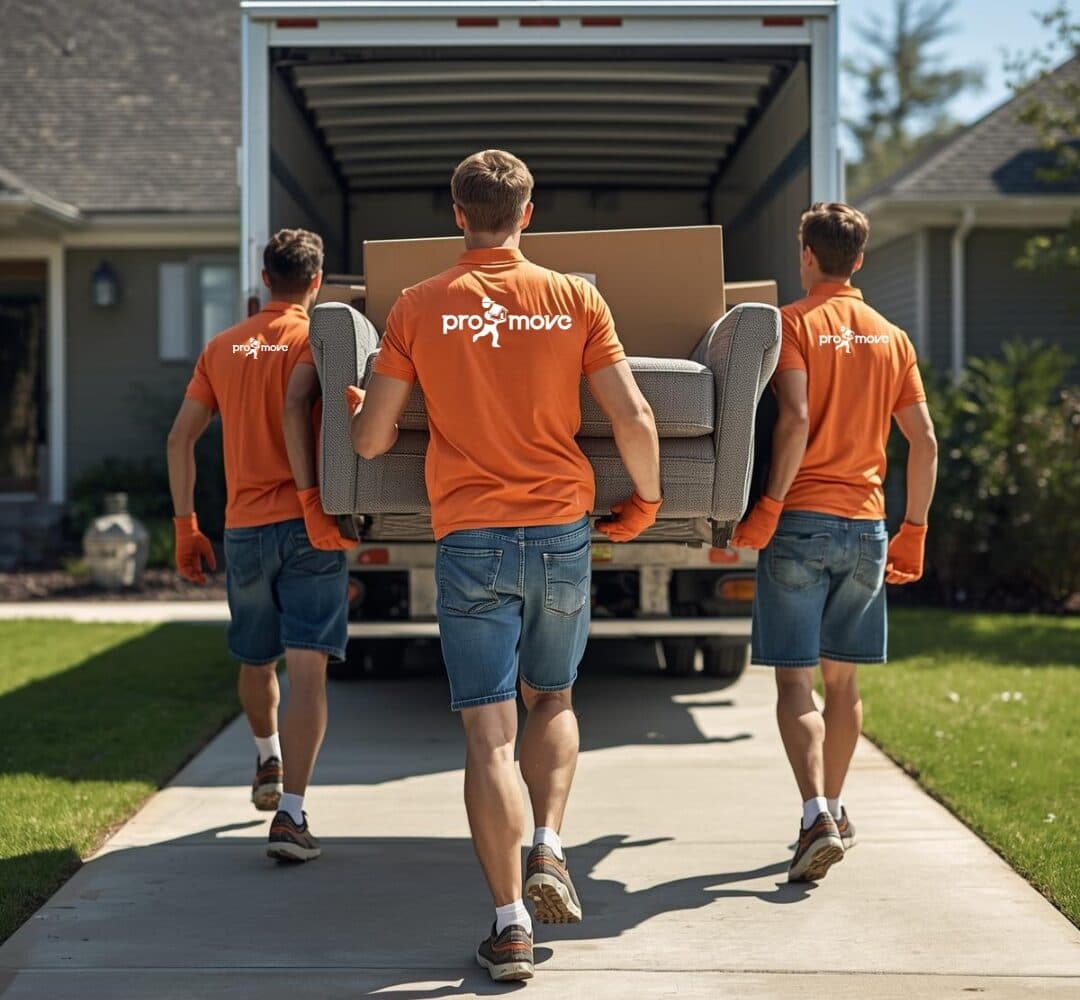
Treat the service scope and the Gloucester context as two parts of the same answer. Because Gloucester spans east and south Ottawa contexts, route planning can involve Highway 417, Highway 174, the Airport Parkway, Hunt Club Road or other arterials. A relevant intersection detail is that large-piece handling should be sequenced before destination rooms or access paths become crowded; confirm whether each stop uses a driveway, curb, loading area or building-designated entrance. The preparation should include this task: confirm destination rooms and planned furniture positions. For access, customers should confirm whether driveway, curbside or designated loading access is available at each Gloucester address. Use the exact origin and destination to select a corridor; the former municipal boundary is not a useful route plan. Because travel distance and vehicle requirements may shape the estimate, ProMove Ottawa asks for current facts about both properties and revisits the plan when those facts change before the scheduled move.

Start with the actual Gloucester properties rather than a generic furniture moving assumption. Summer moves should protect heat-sensitive belongings and provide accessible water. Check apartment, condominium or commercial booking requirements whenever they apply. For furniture moving, the carrying path must be clear of cartons and competing activity. The customer should list furniture dimensions and flag glass, stone or removable components. and should measure tight stairs, doorways, hallways and elevator openings at the Gloucester properties before assigning handling methods. Pair the word Gloucester with the current neighbourhood and postal code so routing and property assumptions are accurate. ProMove Ottawa then relates those findings to disassembly and reassembly needs, the requested date and the complete inventory. Report later changes promptly because even a small access or scope change can alter the sensible crew sequence.

The practical answer depends on the inventory, both addresses and the agreed furniture moving scope. A customer moving selected pieces into or out of storage in a major Ottawa suburban centre; the page should examine whether travel within the broader suburban centre fits the property access windows. At a Gloucester origin or destination, a Gloucester relocation might remain in the east or south, cross central Ottawa, or connect with rural communities. Customers should also check applicable property, condominium, landlord or municipal parking requirements for Gloucester; arrange permission only where required. A useful preparation priority is to empty cabinets, drawers and shelving before moving day. For institutional or commercial moves, identify the receiving contact, authorized entrance and access hours in writing. Those details allow ProMove Ottawa to review stairs, elevators and carrying distance without treating every property in Gloucester as though it presents the same route or handling conditions.

For Furniture Moving in Gloucester, the main planning question is how the service requirements meet the real truck-to-room path. Keep specialist technology responsibilities separate from the mover’s furniture and equipment handling work. Each requires a different inventory emphasis. The intersection-specific consideration is this: major suburban centres bring together detached homes, townhouses, apartments, condominiums, offices and retail properties across a broader local road network. Before confirming the moving window, customers should measure access routes at both addresses for the largest pieces. They should also record the walking distance from the expected truck position to each entrance in Gloucester, including gates or secondary doors. The estimate may reflect fragile materials or unusual handling requirements, so changes to inventory, timing or access need review instead of being left until moving day.

ProMove Ottawa reviews this point as part of one connected Gloucester plan. A driveway move and a booked-elevator move can occur in the same community, so the service plan must follow the two actual addresses rather than a single suburban assumption, and a piece can fit comfortably in a room yet fail at a doorway, landing, elevator or exterior turn. At a house, check garage and side entrances as potential item routes, but use them only when cleared and safe. For the requested furniture moving, the customer should share current access notes, contact instructions and any time restrictions for the Gloucester stops before the move is finalized. and should decide which items require disassembly and retain any instructions. Measure both dock or garage clearance and interior doorways when large equipment is included. The review also considers number, dimensions and weight of pieces. This direct, property-specific approach gives the team better information for follow-up while avoiding unsupported assumptions about a neighbourhood, building, road, parking space or travel duration.

Treat the service scope and the Gloucester context as two parts of the same answer. Because Gloucester spans east and south Ottawa contexts, route planning can involve Highway 417, Highway 174, the Airport Parkway, Hunt Club Road or other arterials. A relevant intersection detail is that house size, multi-unit bookings, walking distance, stairs and optional preparation can produce very different labour requirements, so both addresses need their own access record. The preparation should include this task: confirm destination rooms and planned furniture positions. For access, customers should confirm whether driveway, curbside or designated loading access is available at each Gloucester address. Use the exact origin and destination to select a corridor; the former municipal boundary is not a useful route plan. Because travel distance and vehicle requirements may shape the estimate, ProMove Ottawa asks for current facts about both properties and revisits the plan when those facts change before the scheduled move.

Start with the actual Gloucester properties rather than a generic furniture moving assumption. Summer moves should protect heat-sensitive belongings and provide accessible water. Allow for travel between different parts of the suburban centre within the moving sequence. For furniture moving, glass, stone, drawers and shelving need based on the item preparation rather than one generic method. The customer should list furniture dimensions and flag glass, stone or removable components. and should measure tight stairs, doorways, hallways and elevator openings at the Gloucester properties before assigning handling methods. Pair the word Gloucester with the current neighbourhood and postal code so routing and property assumptions are accurate. ProMove Ottawa then relates those findings to disassembly and reassembly needs, the requested date and the complete inventory. Report later changes promptly because even a small access or scope change can alter the sensible crew sequence.

The practical answer depends on the inventory, both addresses and the agreed furniture moving scope. Empty storage furniture and secure or remove compatible loose components. For a major Ottawa suburban centre, group the inventory by destination room or work zone for efficient placement. At a Gloucester origin or destination, depending on the address, a move may be in the east end, the south near the airport, an established residential district or a newer development. Customers should also check applicable property, condominium, landlord or municipal parking requirements for Gloucester; arrange permission only where required. A useful preparation priority is to empty cabinets, drawers and shelving before moving day. For institutional or commercial moves, identify the receiving contact, authorized entrance and access hours in writing. Those details allow ProMove Ottawa to review stairs, elevators and carrying distance without treating every property in Gloucester as though it presents the same route or handling conditions.

For Furniture Moving in Gloucester, the main planning question is how the service requirements meet the real truck-to-room path. Keep specialist technology responsibilities separate from the mover’s furniture and equipment handling work. For technology or office equipment, the customer remains responsible for data, specialist disconnection and reconnection unless a separate qualified service is arranged. The intersection-specific consideration is this: the right starting point for furniture moving in a major Ottawa suburban centre is an address-specific review rather than an area-wide shortcut. Before confirming the moving window, customers should measure access routes at both addresses for the largest pieces. They should also record the walking distance from the expected truck position to each entrance in Gloucester, including gates or secondary doors. The estimate may reflect fragile materials or unusual handling requirements, so changes to inventory, timing or access need review instead of being left until moving day.

ProMove Ottawa reviews this point as part of one connected Gloucester plan. The intersection is practical rather than promotional. Customers should provide the intended vehicle position, carrying distance, stairs and door sequence at each address. For the requested furniture moving, the customer should share current access notes, contact instructions and any time restrictions for the Gloucester stops before the move is finalized. and should decide which items require disassembly and retain any instructions. Measure both dock or garage clearance and interior doorways when large equipment is included. The review also considers number, dimensions and weight of pieces. This direct, property-specific approach gives the team better information for follow-up while avoiding unsupported assumptions about a neighbourhood, building, road, parking space or travel duration.

Treat the service scope and the Gloucester context as two parts of the same answer. Because Gloucester spans east and south Ottawa contexts, route planning can involve Highway 417, Highway 174, the Airport Parkway, Hunt Club Road or other arterials. A relevant intersection detail is that travel within a large suburban centre is only one part of the estimate. The preparation should include this task: confirm destination rooms and planned furniture positions. For access, customers should confirm whether driveway, curbside or designated loading access is available at each Gloucester address. Use the exact origin and destination to select a corridor; the former municipal boundary is not a useful route plan. Because travel distance and vehicle requirements may shape the estimate, ProMove Ottawa asks for current facts about both properties and revisits the plan when those facts change before the scheduled move.

Start with the actual Gloucester properties rather than a generic furniture moving assumption. Summer moves should protect heat-sensitive belongings and provide accessible water. Confirm whether each stop uses a driveway, curb, loading area or building-designated entrance. For furniture moving, width, height, weight and removable components should be known before selecting the route. The customer should list furniture dimensions and flag glass, stone or removable components. and should measure tight stairs, doorways, hallways and elevator openings at the Gloucester properties before assigning handling methods. Pair the word Gloucester with the current neighbourhood and postal code so routing and property assumptions are accurate. ProMove Ottawa then relates those findings to disassembly and reassembly needs, the requested date and the complete inventory. Report later changes promptly because even a small access or scope change can alter the sensible crew sequence.

Call NowWhatsApp